Brain Waves Emerge as Next Frontier for Physical AI Models
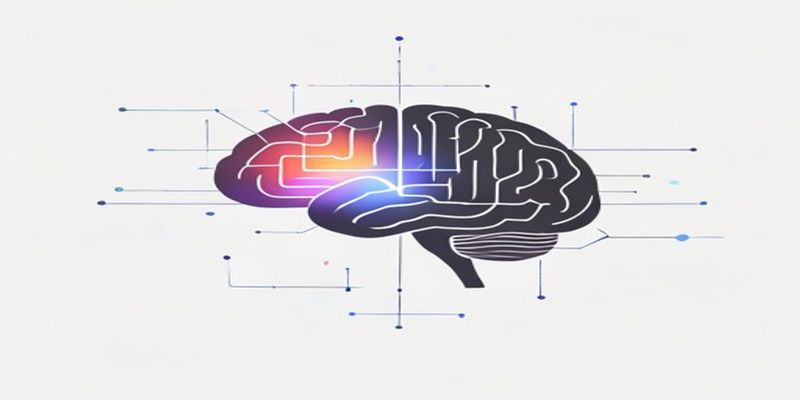
As frontier physical AI models outgrow traditional training methods like 2D video analysis, researchers are turning to a more direct data source: human brain waves. By integrating electroencephalography (EEG) readings into reinforcement learning loops, AI developers can capture implicit human intent, spatial awareness, and reflex responses.
This multi-modal approach promises to solve the annotation bottleneck that has historically plagued autonomous robotics. Engineers designing neural telemetry systems can use [FocusGrid](/tools/focusgrid/) to map spatial sensor layouts.
Tech Pulse Daily
Get tomorrow's tech pulse first
Deeply analytical tech news delivered to your inbox every morning. Free, no spam.
Biological Signals in Machine Reinforcement Loops
Early clinical tests show that physical AI agents trained with human neural feedback learn complex manipulation tasks—such as surgical threading or delicate micro-assembly—up to 40% faster than those trained on visual data alone.
Telemetry Bottlenecks and Embodied Robotics
While hardware costs for medical-grade EEG caps remain high, the tech sector is already investing in consumer-grade wearable sensors to scale up neural data harvesting for large-scale physical model pretraining.
Key Takeaway
Researchers explore brain wave readings and EEG telemetry as a key training signal for next-generation physical AI and autonomous robotics control systems.