Google Maps Integrates AI Agent Order Flow for Local Restaurant Reservations
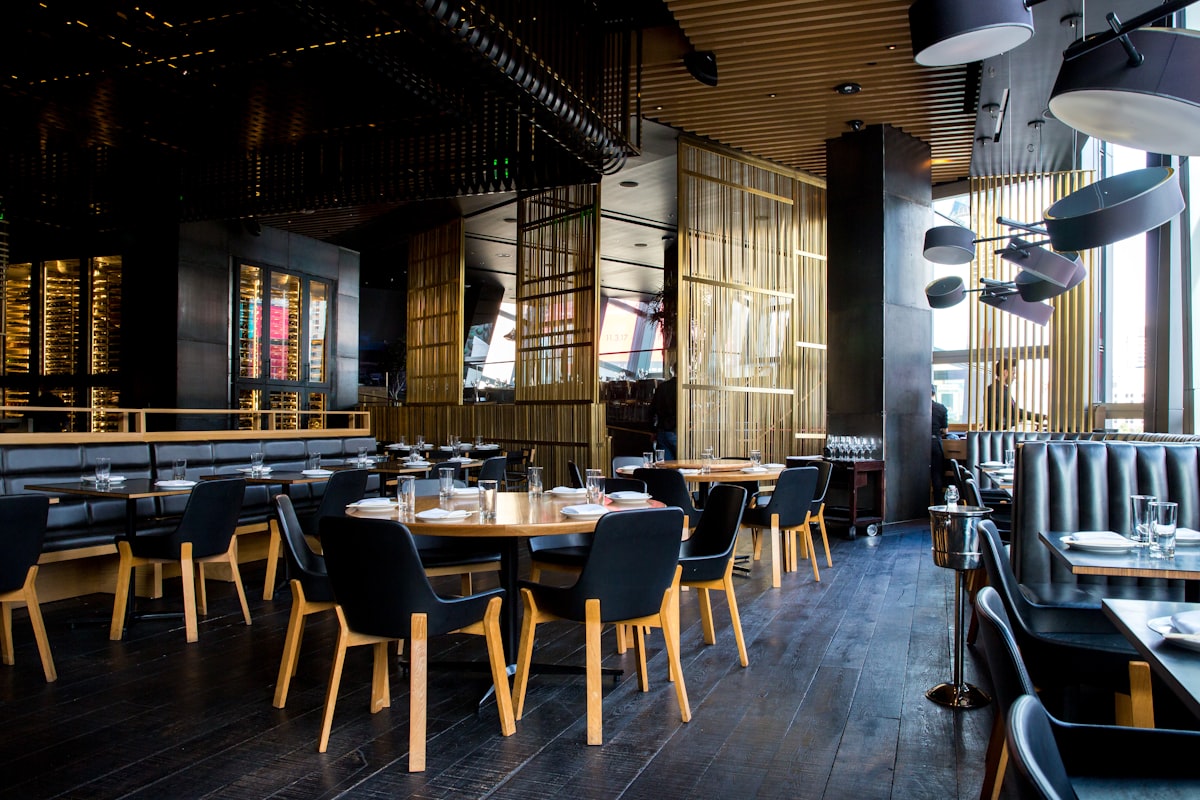
Google has updated Google Maps with an integrated Gemini conversational agent capable of placing food orders and booking restaurant tables automatically. Users can state dietary preferences and budget constraints, allowing the assistant to contact merchant APIs and finalize bookings. The system requests explicit user confirmation before authorizing payment transactions, maintaining user control over financial commitments.
Get deep-dive technical breakdowns, architectural insights, and industry analysis delivered to your inbox every morning.
What happened
Read The Verge's account next to the product docs, not instead of them. Names and figures in the lede are the ones we can stand behind; everything else below is how teams usually absorb a story like this. If a number, ship date, or quote is not in the source excerpt, it is not in this briefing. That is deliberate — day-one coverage is where invented specifics do the most damage.
Google has updated Google Maps with an integrated Gemini conversational agent capable of placing food orders and booking restaurant tables automatically.… Users can state dietary preferences and budget constraints, allowing the assistant to contact merchant APIs and finalize bookings.
How it works
Under the hood this is a systems change, not a press-release adjective. Ask what surface area moved — API, policy, hardware, model behavior, or go-to-market — and which of those you actually ship against. A useful working question: if you had to draw the before/after on a whiteboard, which box would you erase? That is the mechanism. Everything else is packaging.
The system requests explicit user confirmation before authorizing payment transactions, maintaining user control over financial commitments. Get deep-dive technical breakdowns, architectural insights, and industry analysis delivered to your inbox every morning.
Why it matters
If you build on or compete with the parties named in Google Maps Integrates AI Agent Order Flow for Local Restaurant Reservations, the practical hit is on roadmap sequencing and risk reviews this quarter, not on a vague 'future of the industry'. Put one owner on the story, give them a day to read the primary material, and decide whether this is a this-sprint item, a this-quarter item, or noise.
The announcement in Google Maps Integrates AI Agent Order Flow for Local Restaurant Reservations is the claim. Separate the launch label (preview, GA, partnership, waitlist) from the actual user-visible change.
Who is affected
Incumbents, customers, and adjacent open-source projects do not feel this equally. Map the change to your own stack: what you operate, what you buy, and what you will have to explain to a security, legal, or finance review. Partners and resellers often feel it before the end user does — check those contracts before you assume nothing moved.
The Verge can only print what the company put on the record; your job is to keep that boundary honest when you brief other people. Google Maps launches an interactive AI feature enabling users to request food pickup and table bookings directly through natural conversational prompts.
What to watch next
Treat the next two weeks as a verification window. Watch the vendor's own changelog, any regulator or standards follow-up, and whether a competitor ships a matching capability. Do not change production on day-one coverage alone. If nothing new is published in that window, the story was smaller than the headline.
What usually moves in a launch like this is packaging, access, pricing tier, or a control plane — not a rewrite of the underlying product. Confirm that split in the vendor notes before you tell a team to re-plan.
A 3–5 minute news post is a briefing, not a runbook. Keep The Verge and the vendor's primary page in another tab, quote only what they printed, and write down the single decision this story forces (upgrade, wait, or ignore) before you Slack it to the rest of the team. If you need more than that decision, you want the primary docs or a later engineering deep-dive — not another recap of Google Maps Integrates AI Agent Order Flow for Local Restaurant Reservations.
When you brief someone else on Google Maps Integrates AI Agent Order Flow for Local Restaurant Reservations, lead with the surface that moved and the decision you need from them. Do not paste the whole thread. If you cannot name the surface — API, policy, model, hardware, or commercial terms — you are not ready to brief. Go back to The Verge and the vendor page until you can. That extra ten minutes is cheaper than a wrong upgrade or a missed exposure.
The rollout highlights Google's strategy to turn navigation apps into comprehensive daily task automation interfaces.