Google Opens Android to Third-Party App Stores in U.S.
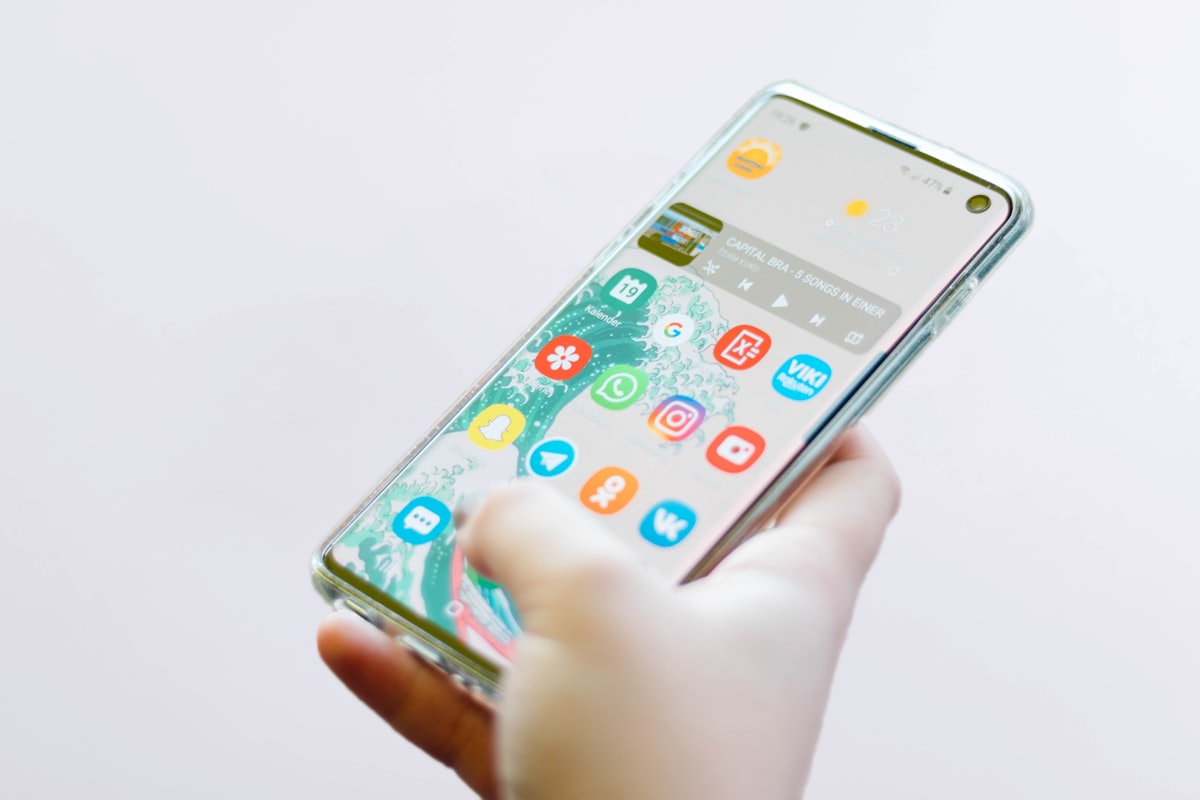
Google has officially begun allowing third-party app stores to operate natively on Android devices in the United States. This structural shift is a direct result of the landmark Epic Games vs. Google antitrust verdict, which mandated that Google provide competitors with access to its app distribution APIs and billing infrastructure.
Under the new policy, users can download alternative app stores directly from the web and set them as their default application managers. Google has also streamlined the warning screens associated with sideloading, reducing the friction that previously deterred consumers from exploring alternatives to the official Play Store.
Tech Pulse Daily
Get tomorrow's tech pulse first
Deeply analytical tech news delivered to your inbox every morning. Free, no spam.
Dismantling the Play Store Monopoly in the U.S.
The opening of the Android platform is expected to trigger intense competition among digital storefronts. Companies like Epic Games and Microsoft have already announced plans to launch dedicated mobile stores, offering lower commission rates to developers. This could force Google to lower its traditional 30% transaction fee to remain competitive.
Reshaping the Mobile Economy and Developer Fees
While developers celebrate the ruling as a victory for market competition, security analysts warn that a fragmented app ecosystem increases the risk of malware distribution. Google plans to enforce basic security vetting for all third-party stores to protect users while complying with the court's antitrust mandates.
Key Takeaway
Following the Epic Games antitrust ruling, Google officially opens the Android U.S. ecosystem to third-party app stores and billing systems.