Cloud-Dependent Hardware Is Broken: Why Smart Home Devices Must Adopt Local-First Architecture
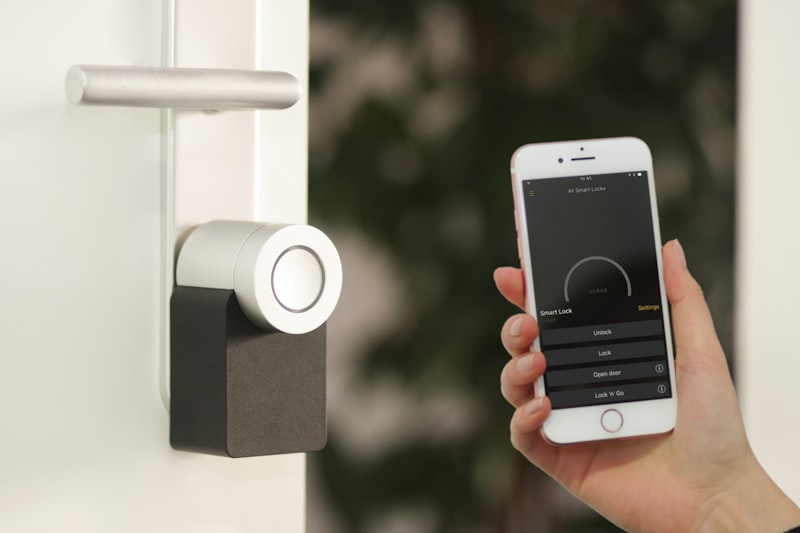
Embedded systems engineers emphasize that critical utility hardware—such as pet feeders, door locks, and thermostats—should store configuration states locally in non-volatile EEPROM memory and run schedule loops independently of web connectivity.
Relying on persistent cloud web-socket connections introduces multiple single points of failure, including DNS outages, cloud server migrations, corporate bankruptcies, and expired security certificates.
What happened
Read Ars Technica's account next to the product docs, not instead of them. Names and figures in the lede are the ones we can stand behind; everything else below is how teams usually absorb a story like this. If a number, ship date, or quote is not in the source excerpt, it is not in this briefing. That is deliberate — day-one coverage is where invented specifics do the most damage.
Embedded systems engineers emphasize that critical utility hardware—such as pet feeders, door locks, and thermostats—should store configuration states… Relying on persistent cloud web-socket connections introduces multiple single points of failure, including DNS outages, cloud server migrations, corporate bankruptcies, and expired security certificates.
How it works
Under the hood this is a systems change, not a press-release adjective. Ask what surface area moved — API, policy, hardware, model behavior, or go-to-market — and which of those you actually ship against. A useful working question: if you had to draw the before/after on a whiteboard, which box would you erase? That is the mechanism. Everything else is packaging.
Read Ars Technica's account next to the product docs, not instead of them. Names and figures in the lede are the ones we can stand behind; everything else below is how teams usually absorb a story like this.
Why it matters
If you build on or compete with the parties named in Cloud-Dependent Hardware Is Broken: Why Smart Home Devices Must Adopt Local-First Architecture, the practical hit is on roadmap sequencing and risk reviews this quarter, not on a vague 'future of the industry'. Put one owner on the story, give them a day to read the primary material, and decide whether this is a this-sprint item, a this-quarter item, or noise.
If a number, ship date, or quote is not in the source excerpt, it is not in this briefing. That is deliberate — day-one coverage is where invented specifics do the most damage.
Who is affected
Incumbents, customers, and adjacent open-source projects do not feel this equally. Map the change to your own stack: what you operate, what you buy, and what you will have to explain to a security, legal, or finance review. Partners and resellers often feel it before the end user does — check those contracts before you assume nothing moved.
An engineering analysis of how cloud-tethered IoT devices fail and why local Home Assistant and Matter standards prevent bricking. Under the hood this is a systems change, not a press-release adjective.
What to watch next
Treat the next two weeks as a verification window. Watch the vendor's own changelog, any regulator or standards follow-up, and whether a competitor ships a matching capability. Do not change production on day-one coverage alone. If nothing new is published in that window, the story was smaller than the headline.
Ask what surface area moved — API, policy, hardware, model behavior, or go-to-market — and which of those you actually ship against. A useful working question: if you had to draw the before/after on a whiteboard, which box would you erase?
A 3–5 minute news post is a briefing, not a runbook. Keep Ars Technica and the vendor's primary page in another tab, quote only what they printed, and write down the single decision this story forces (upgrade, wait, or ignore) before you Slack it to the rest of the team. If you need more than that decision, you want the primary docs or a later engineering deep-dive — not another recap of Cloud-Dependent Hardware Is Broken: Why Smart Home Devices Must Adopt Local-First Architecture.
When you brief someone else on Cloud-Dependent Hardware Is Broken: Why Smart Home Devices Must Adopt Local-First Architecture, lead with the surface that moved and the decision you need from them. Do not paste the whole thread. If you cannot name the surface — API, policy, model, hardware, or commercial terms — you are not ready to brief. Go back to Ars Technica and the vendor page until you can. That extra ten minutes is cheaper than a wrong upgrade or a missed exposure.
Get Tech News In Your Inbox
Subscribe to the free Tech Bytes daily newsletter for high-signal technical breakdowns and industry analysis.
Stay Ahead
5 minutes of high-signal tech every weekday. Free.
Mandating Open Protocols: Local Home Assistant Integration and Offline Persistence
Consumer advocacy groups are pushing for regulatory standards requiring smart home manufacturers to provide open local API controls and Matter compatibility before devices can be sold to the public.