Northrop Grumman's Robotic Space Mechanic Extends Satellite Lifespans in Orbit
Executive Key Takeaway
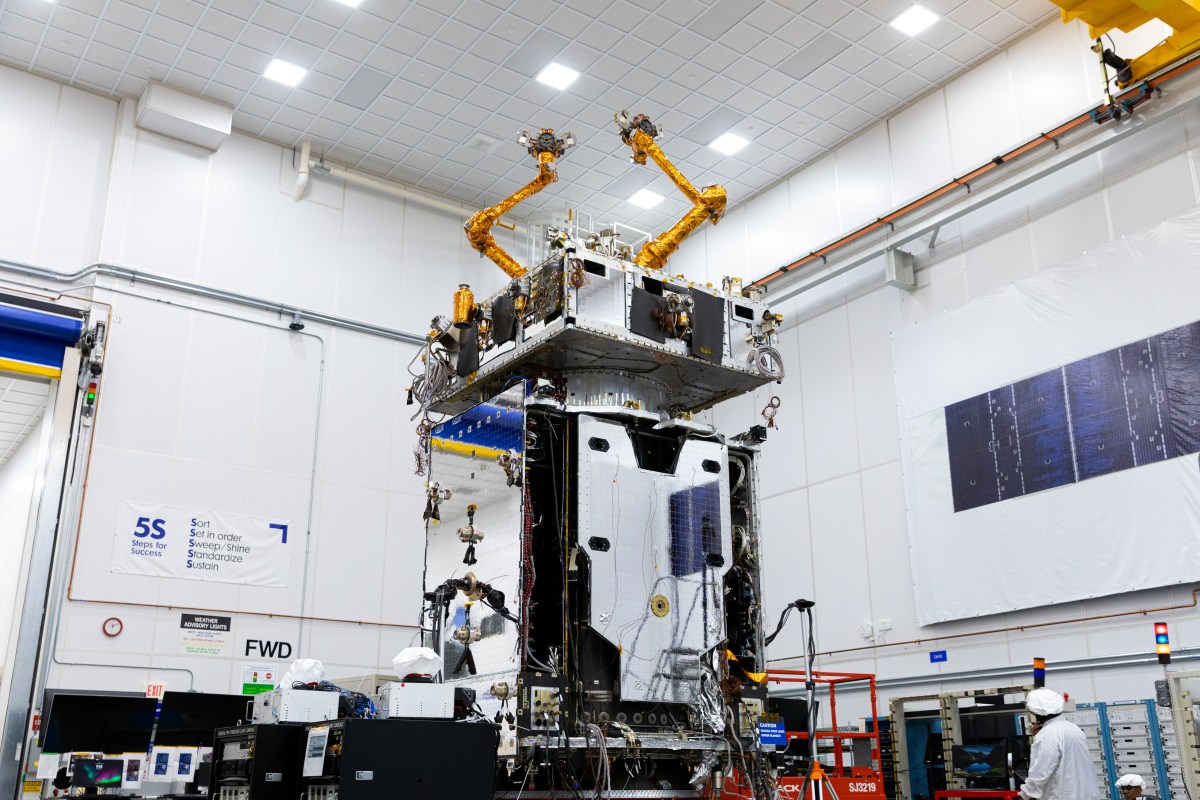
Northrop Grumman's Mission Robotic Vehicle (MRV) is undergoing final testing, deploying dual robotic arms to repair, refuel, and service communication satellites in geostationary orbit.
Orbital servicing technology achieved a major milestone as Northrop Grumman unveiled operational flight testing for its Mission Robotic Vehicle (MRV). Built to dock with active satellites in geostationary orbit, the robotic servicer extends satellite operational lifespans by years.
Equipped with dual multi-jointed robotic arms developed in partnership with DARPA, the MRV can install propulsion augmentation pods, repair solar array mechanisms, and clear space debris obstacles surrounding high-value orbital assets.
Get Tech Pulse Daily in Your Inbox
Join 45,000+ engineers, founders, and tech leaders receiving high-signal daily breakdowns directly from major publishers.
Zero spam. Unsubscribe anytime in one click.
Reducing Space Debris & Commercial Satellite Servicing
By enabling orbital refueling and mechanical maintenance, the MRV fundamentally alters commercial space economics. Satellite operators no longer need to decommission functional multi-hundred-million-dollar spacecraft simply due to depleted attitude control propellant.