OpenAI Releases Native ChatGPT Desktop Client for Linux Featuring GTK4 and Screen Analysis
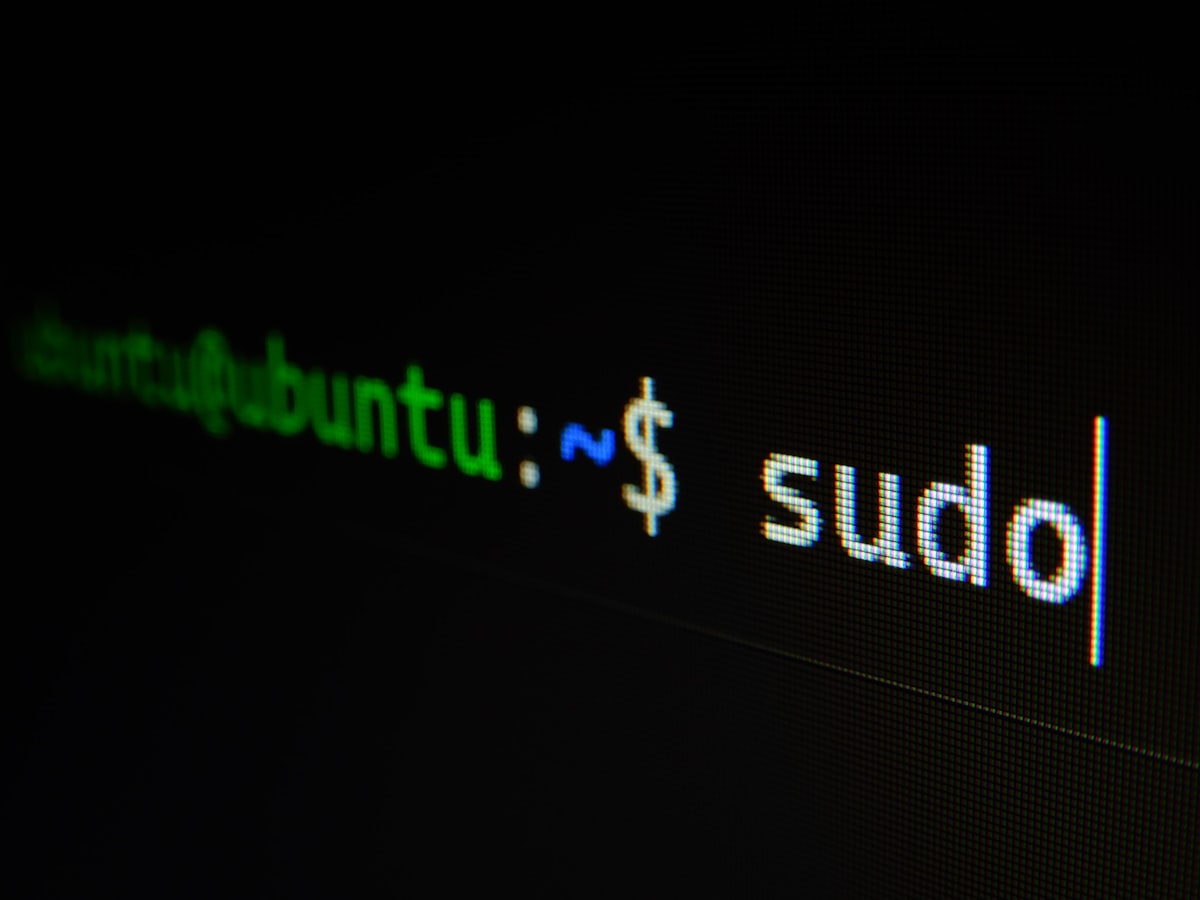
OpenAI has officially released a native ChatGPT desktop application for Linux, fulfilling a top request from developers, system administrators, and open-source engineers who previously relied on unofficial web wrappers.
Built using Rust and GTK4 with native Wayland and X11 support, the client features global keyboard shortcuts (Option+Space equivalent), real-time terminal window scanning, and background voice interaction capabilities tailored for developer workflows.
What shipped
A versioned cut is a contract with anyone who pinned the last one. OpenAI Releases Native ChatGPT Desktop Client for Linux Featuring GTK4 and Screen Analysis should be read as a changelog first and a launch second. If you cannot find the changelog, you do not have enough to upgrade.
OpenAI has officially released a native ChatGPT desktop application for Linux, fulfilling a top request from developers, system administrators, and… Built using Rust and GTK4 with native Wayland and X11 support, the client features global keyboard shortcuts (Option+Space equivalent), real-time terminal window scanning, and background voice interaction capabilities tailored for developer workflows.
What changed for builders
Builders should diff the release notes for APIs, defaults, and removed flags. That list is the migration. Anything not on it is a rumor until it shows up in a follow-up patch.
The announcement in OpenAI Releases Native ChatGPT Desktop Client for Linux Featuring GTK4 and Screen Analysis is the claim. Separate the launch label (preview, GA, partnership, waitlist) from the actual user-visible change.
How to install or upgrade
Install via the vendor's documented channel. Snapshot config, roll through staging, keep a one-command rollback. Time-box the canary. If the release has no documented rollback, that is the first risk you escalate.
the source can only print what the company put on the record; your job is to keep that boundary honest when you brief other people. OpenAI officially launches its native ChatGPT desktop application for Linux distributions, complete with global hotkeys, system audio, and screen analysis.
Gotchas and compatibility
Gotchas hide in transitive deps, license files, and anything that touches auth or storage. Read those sections twice. Then grep your own repo for the old flag names so you are not surprised in prod.
What usually moves in a launch like this is packaging, access, pricing tier, or a control plane — not a rewrite of the underlying product. Confirm that split in the vendor notes before you tell a team to re-plan.
What to watch next
Watch the first patch release. If it arrives inside a week, the original cut was not as boring as the announcement implied. Pin to the patch, not the day-zero tag, unless you have a reason.
If the notes are thin, assume the product is the same and only the door to it moved. The people who should care first are the ones already on the product, plus anyone mid-migration.
A 3–5 minute news post is a briefing, not a runbook. Keep the source and the vendor's primary page in another tab, quote only what they printed, and write down the single decision this story forces (upgrade, wait, or ignore) before you Slack it to the rest of the team. If you need more than that decision, you want the primary docs or a later engineering deep-dive — not another recap of OpenAI Releases Native ChatGPT Desktop Client for Linux Featuring GTK4 and Screen Analysis.
When you brief someone else on OpenAI Releases Native ChatGPT Desktop Client for Linux Featuring GTK4 and Screen Analysis, lead with the surface that moved and the decision you need from them. Do not paste the whole thread. If you cannot name the surface — API, policy, model, hardware, or commercial terms — you are not ready to brief. Go back to the source and the vendor page until you can. That extra ten minutes is cheaper than a wrong upgrade or a missed exposure.
Treat day-one coverage of OpenAI Releases Native ChatGPT Desktop Client for Linux Featuring GTK4 and Screen Analysis as a pointer, not a specification. the source is useful for names, dates, and the claim as stated; it is not a substitute for the changelog, the advisory, or the contract clause that actually binds you. If those artifacts are not public yet, wait. Acting on a paraphrase is how teams ship the wrong flag or miss the one dependency that was actually in scope.
Get Daily Executive Tech Pulse Briefings
Direct executive summaries of breaking technology, AI models, cybersecurity threats, and venture deals delivered straight to your inbox every morning.
No spam. Unsubscribe anytime with one click.