Os8088 Project Brings 60fps Graphical Desktop to Vintage 1980s IBM PCs
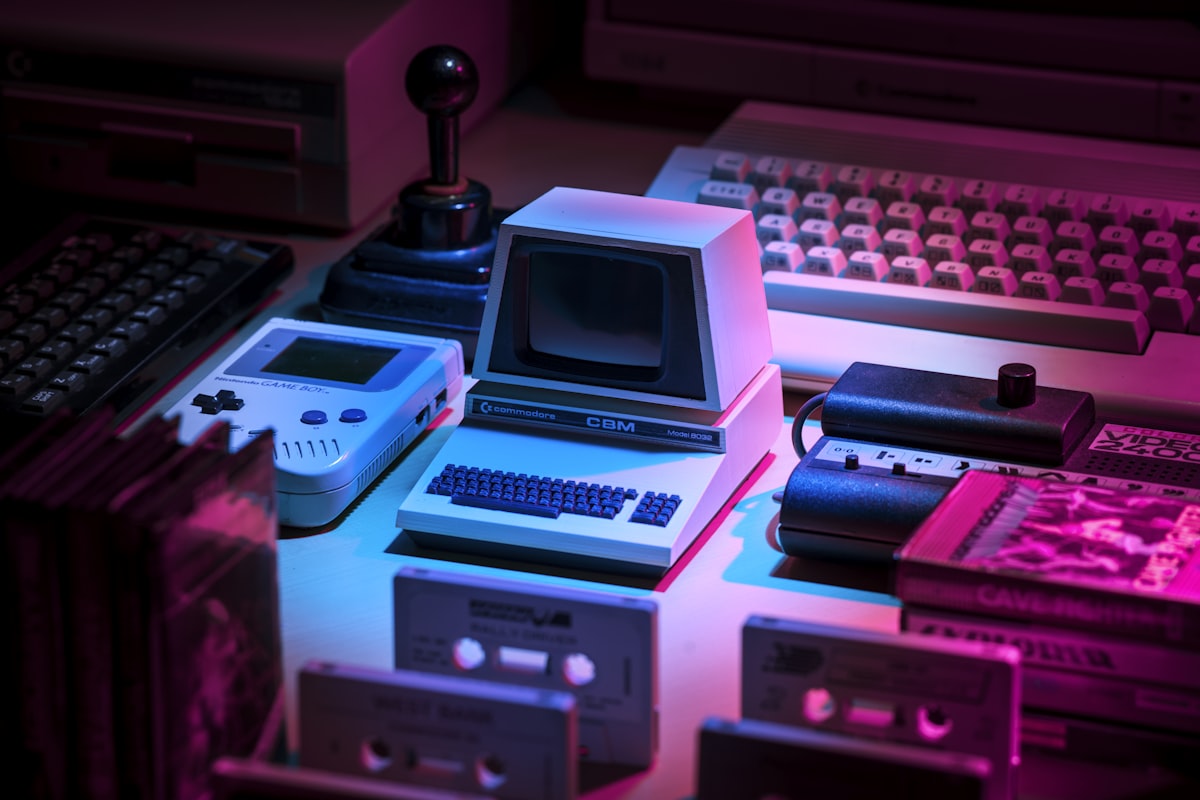
Retro computing enthusiasts are celebrating the release of Os8088, a bare-metal windowed operating system crafted entirely in hand-optimized 8086 assembly. Designed to boot from a single 360KB floppy disk, Os8088 brings a smooth graphical workspace to original 1981 IBM PCs and clones. Despite running on 4.77 MHz processors with 640KB RAM, the system supports draggable windows, a text editor, paint program, and real-time task manager at fluid frame rates.
Get deep-dive technical breakdowns, architectural insights, and industry analysis delivered to your inbox every morning.
What happened
Read Ars Technica's account next to the product docs, not instead of them. Names and figures in the lede are the ones we can stand behind; everything else below is how teams usually absorb a story like this. If a number, ship date, or quote is not in the source excerpt, it is not in this briefing. That is deliberate — day-one coverage is where invented specifics do the most damage.
Retro computing enthusiasts are celebrating the release of Os8088, a bare-metal windowed operating system crafted entirely in hand-optimized 8086 assembly.… Designed to boot from a single 360KB floppy disk, Os8088 brings a smooth graphical workspace to original 1981 IBM PCs and clones.
How it works
Under the hood this is a systems change, not a press-release adjective. Ask what surface area moved — API, policy, hardware, model behavior, or go-to-market — and which of those you actually ship against. A useful working question: if you had to draw the before/after on a whiteboard, which box would you erase? That is the mechanism. Everything else is packaging.
Despite running on 4.77 MHz processors with 640KB RAM, the system supports draggable windows, a text editor, paint program, and real-time task manager at fluid frame rates. Get deep-dive technical breakdowns, architectural insights, and industry analysis delivered to your inbox every morning.
Why it matters
If you build on or compete with the parties named in Os8088 Project Brings 60fps Graphical Desktop to Vintage 1980s IBM PCs, the practical hit is on roadmap sequencing and risk reviews this quarter, not on a vague 'future of the industry'. Put one owner on the story, give them a day to read the primary material, and decide whether this is a this-sprint item, a this-quarter item, or noise.
A versioned cut is a contract with anyone who pinned the last one. Os8088 Project Brings 60fps Graphical Desktop to Vintage 1980s IBM PCs should be read as a changelog first and a launch second.
Who is affected
Incumbents, customers, and adjacent open-source projects do not feel this equally. Map the change to your own stack: what you operate, what you buy, and what you will have to explain to a security, legal, or finance review. Partners and resellers often feel it before the end user does — check those contracts before you assume nothing moved.
If you cannot find the changelog, you do not have enough to upgrade. Open-source developer releases Os8088, a Macintosh-inspired GUI operating system written in pure assembly for 4.77 MHz IBM PC hardware.
What to watch next
Treat the next two weeks as a verification window. Watch the vendor's own changelog, any regulator or standards follow-up, and whether a competitor ships a matching capability. Do not change production on day-one coverage alone. If nothing new is published in that window, the story was smaller than the headline.
Builders should diff the release notes for APIs, defaults, and removed flags. Anything not on it is a rumor until it shows up in a follow-up patch.
A 3–5 minute news post is a briefing, not a runbook. Keep Ars Technica and the vendor's primary page in another tab, quote only what they printed, and write down the single decision this story forces (upgrade, wait, or ignore) before you Slack it to the rest of the team. If you need more than that decision, you want the primary docs or a later engineering deep-dive — not another recap of Os8088 Project Brings 60fps Graphical Desktop to Vintage 1980s IBM PCs.
The software demonstrates the power of bare-metal optimization, offering computer science students a classic case study in efficient resource management.