Tesla Robotaxi Fleet Begins Live Testing in Florida
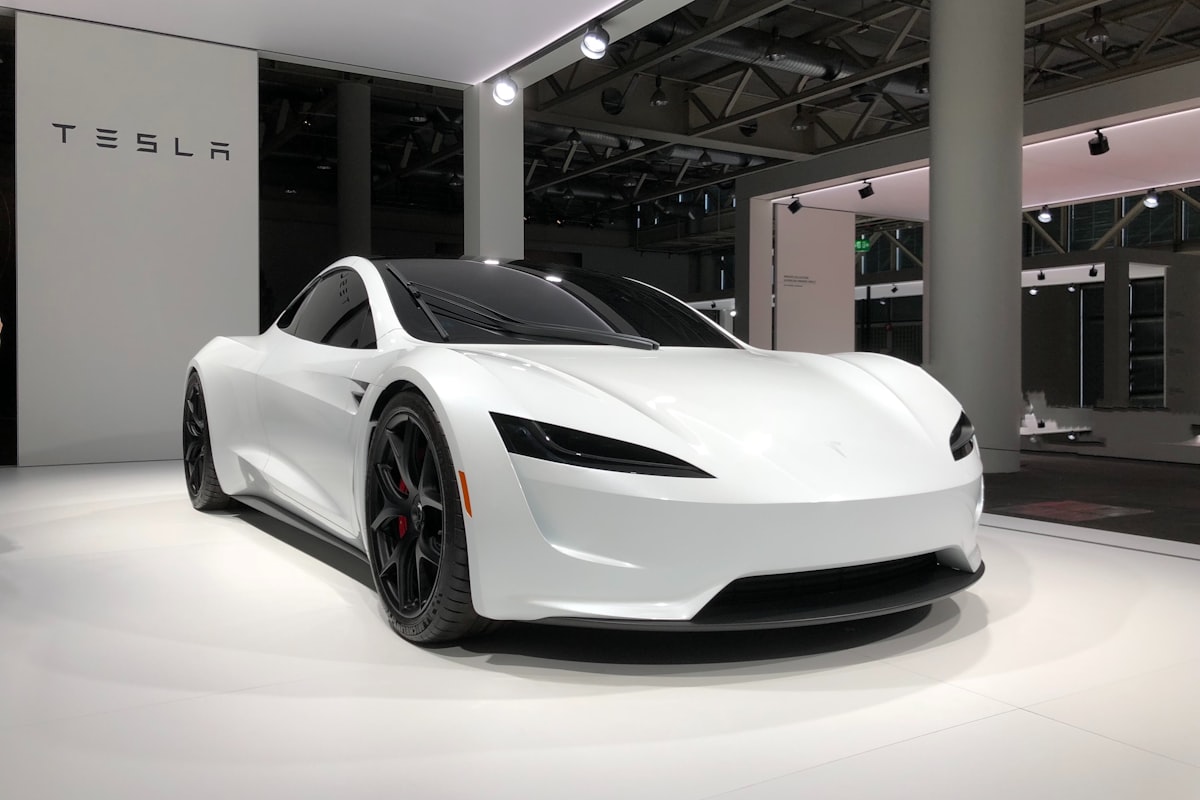
Tesla has initiated its first live, autonomous Robotaxi passenger pilot program in Florida, deploying a fleet of customized, steering-wheel-free vehicles to the streets of Orlando and Tampa. The pilot program allows registered app users to hail rides between pre-mapped commercial zones, marking a milestone in Tesla's transition toward an autonomous ride-hailing provider.
The Florida testing phase utilizes Tesla's latest Full Self-Driving (FSD) version 13 model, which relies on a neural network trained on billions of miles of real-world driving data. The deployment has been permitted under Florida's flexible autonomous vehicle testing laws, which do not require a backup safety driver inside the vehicle during passenger operations.
Tech Pulse Daily
Get tomorrow's tech pulse first
Deeply analytical tech news delivered to your inbox every morning. Free, no spam.
Deploying Self-Driving Fleets to Florida Municipalities
The live deployment coincided with Tesla's Q2 earnings call, where executives highlighted autonomous ride-hailing as the primary long-term driver of the company's hardware margins. By operating its own fleet, Tesla aims to compete directly with Google's Waymo and General Motors' Cruise in the rapidly expanding commercial robotaxi market.
Financial Implications and Q2 Hardware Performance
Automotive analysts are watching the pilot closely to assess the hardware reliability and safety of Tesla's camera-only vision system. If the Florida testing is successful, Tesla plans to seek regulatory approvals to expand the commercial ride-hailing service to major cities in Texas and California by late 2026.
Key Takeaway
Tesla deploys its autonomous Robotaxi fleet for live passenger testing in Orlando and Tampa, coinciding with its Q2 earnings and new hardware announcements.