9to5Mac Overtime 088: Finally, a touchscreen MacBook
The broadcast by Jeff Benjamin and Fernando Silva addressed how this display transition reshapes hardware priorities across personal and professional setups.
By Dillip Chowdary • Oct 31, 2026 • Source: 9to5Mac
Apple completed its final slate of hardware releases for 2026 by delivering an updated lineup led by the M6 MacBook Pro, the OLED-equipped iPad mini 8, and a new flagship MacBook Pro configuration featuring a PROLED XDR Display that integrates touchscreen interaction directly into macOS hardware. The arrival of direct touch input on a Mac laptop marks a notable departure in Apple's product design, anchoring a slate of announcements evaluated in detail in 9to5Mac's report on episode 088 of the weekly video-first series Overtime. Broadcast on October 31, 2026, by hosts Jeff Benjamin and Fernando Silva, the broadcast examines how this display transition shifts daily workflow expectations across portable computers, while contextualizing the surrounding portable hardware ecosystem that Apple positioned alongside these premium machines.
This analysis details every device confirmed during Apple's product wave, evaluating the specifications, display technologies, host observations, and ecosystem implications for engineers, creative professionals, and general computing users. Readers tracking portable Mac options will find a comprehensive breakdown comparing high-end professional hardware against accessible alternatives such as the MacBook Neo, alongside mobile accessories spanning AirPods Pro 3, protective gear for iPhone 18 Pro and iPhone Duo, and upkeep considerations for sensitive screen glass. The assessment explains how each piece of hardware functions, who faces immediate workflow adjustments, and what key hardware milestones to monitor as touch-enabled macOS devices enter production environments.
9to5Mac Overtime 088: what actually changed
Apple reorganized its portable hardware catalog by introducing touch support to the Mac family through a redesigned MacBook Pro equipped with a PROLED XDR Display. Alongside this flagship machine, Apple refreshed performance tiers with the M6 MacBook Pro processor architecture and introduced the iPad mini 8, replacing previous panel technology with an OLED screen. These additions arrived together during the final week of October 2026 as Apple's closing hardware announcements for the calendar year. The move brings direct physical panel manipulation to a form factor previously restricted to keyboard, trackpad, and external mouse navigation, altering the functional boundary between Apple's tablet and laptop platforms.
The broadcast by Jeff Benjamin and Fernando Silva addressed how this display transition reshapes hardware priorities across personal and professional setups. Apple simultaneously maintained coverage across distinct price tiers, contrasting premium PROLED XDR configurations against entry-level options like the MacBook Neo, recognized as the most affordable route into portable macOS computing. Peripheral ecosystems also shifted during this launch cycle, with mobile accessories adapting to accommodate new hardware like iPhone 18 Pro and iPhone Duo, while listening setups centered on AirPods Pro 3. The structural changes across displays, processing silicon, and mobile form factors represent a coordinated modernization across Apple's primary consumer computing tiers.
9to5Mac Overtime 088: how it works
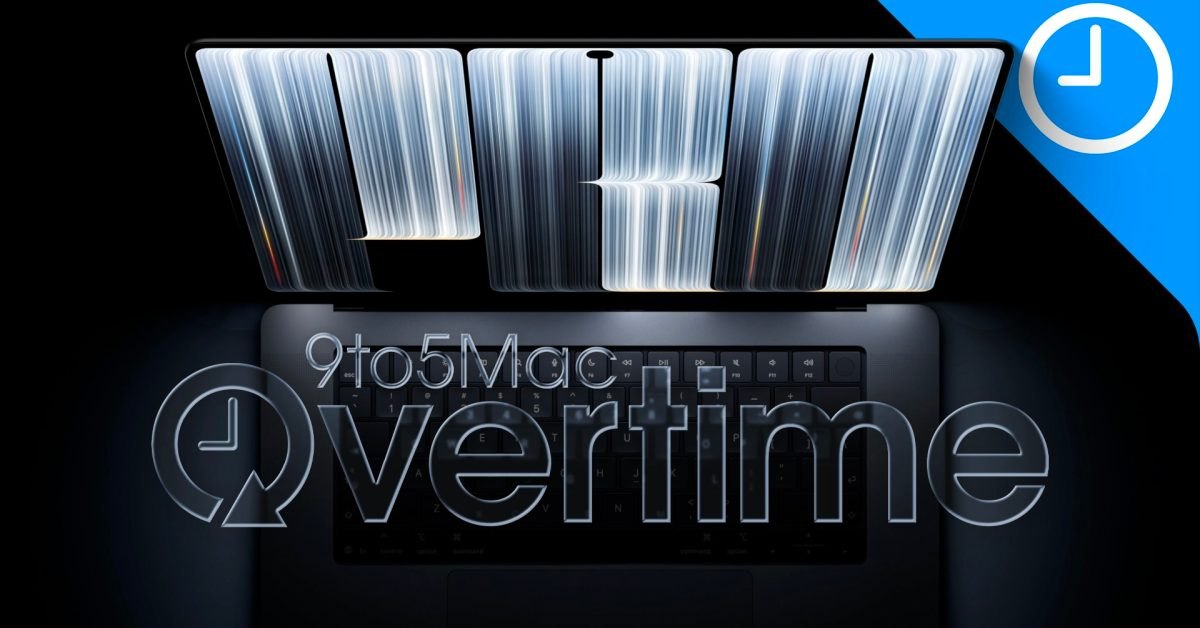
The touchscreen MacBook Pro operates by integrating touch sensitivity directly into the high-end PROLED XDR Display, allowing users to tap, scroll, and manipulate on-screen elements without abandoning traditional trackpad or keyboard inputs. Rather than replacing the precision pointer architecture of macOS, the touchscreen layer functions as an additive input mechanism layered over the high-dynamic-range panel. This dual-input model exists alongside dedicated tablet hardware like the iPad mini 8, which pairs its OLED panel with mobile software optimized exclusively for touch and pencil navigation. Computing tasks can therefore be directed via physical contact on the laptop lid or through conventional cursor precision depending on application demands.
Maintaining visual fidelity on touchscreen glass introduces practical maintenance routines, highlighted in the episode through daily upkeep tools like the Apple Polishing Cloth, designed to clean sensitive display surfaces without scratching specialized optical coatings. For audio connectivity, wireless streaming ties directly into accessories like AirPods Pro 3, giving users low-latency sound during editing, listening, and media tasks. The entire setup is discussed in video-first walkthrough formats across YouTube and Apple Podcasts, where hosts evaluate how real-world contact impacts surface cleanliness, hinge rigidity, and daily system interaction across extended production sessions.
Advertisement
Tech Pulse Daily
Get tomorrow's pulse first
Join engineers who read Tech Pulse before stand-up. Free, weekday mornings.
9to5Mac Overtime 088: why it matters now
The arrival of a touchscreen MacBook Pro represents an important strategic pivot for Apple, addressing longstanding user requests for direct screen interaction on professional laptops. By introducing the PROLED XDR Display alongside the computational headroom of the M6 generation silicon, Apple ensures that touch integration does not compromise visual accuracy or processing throughput for demanding creative workloads. The release also resolves persistent overlap questions between premium tablets and lightweight notebooks, offering creative professionals an integrated panel on macOS rather than forcing a choice between an iPad mini 8 with OLED and an input-restricted laptop.
This hardware release is equally significant because it establishes the baseline standard for Apple's computer catalog heading into 2027. Deploying touch capability on the flagship MacBook Pro while maintaining the budget-focused MacBook Neo provides a clear distinction between entry-tier productivity and specialized professional hardware. For users managing multi-device setups across iPhone 18 Pro, iPhone Duo, and AirPods Pro 3, this launch solidifies an ecosystem where every personal screen, from pocket devices and compact tablets to professional workstations, shares modern high-contrast display panels with direct physical responsiveness.
9to5Mac Overtime 088: who is affected
Creative professionals, software developers, and video editors working within macOS encounter immediate adjustments with the rollout of touch-enabled PROLED XDR hardware and M6 processing power. Production specialists who rely on scrubbing timelines, manipulating interface elements, or sketching directly on screen gain alternative input methods without needing secondary external displays. Conversely, budget-conscious users and students relying on the MacBook Neo remain anchored to traditional trackpad and keyboard paradigms, preserving cost efficiency while professional tiers absorb advanced optical and sensor innovations.
Mobile device owners and audio consumers also experience downstream impacts from this release window, particularly those coordinating cross-device hardware within the Apple ecosystem. Owners of upcoming smartphones like iPhone 18 Pro and iPhone Duo require updated protective accessories, while users relying on AirPods Pro 3 gain consistent wireless integration across both the M6 MacBook Pro and the OLED iPad mini 8. The broader community of technical users and video production teams, represented by commentators like Jeff Benjamin who has produced technical walkthroughs and reviews for 9to5Mac since 2016, must adapt instructional documentation and operational evaluations to reflect direct touch ergonomics on macOS.
9to5Mac Overtime 088: what to watch
Industry observers should monitor user reception regarding long-term hinge durability, ergonomic comfort, and fingerprint accumulation on the new PROLED XDR Display under daily production conditions. Regular maintenance requirements, including the practical effectiveness of cleaning tools like the Apple Polishing Cloth on touch-coated glass, will provide clear indicators of how well professional users tolerate physical screen contact during demanding workflows. Observers must also track software optimization across major macOS application developers to evaluate whether touch interactions receive customized interface enhancements or remain secondary to trackpad navigation.
Attention will also center on how Apple positions the rest of its portable catalog following these final 2026 hardware announcements. Analysts will evaluate whether the OLED panel technology deployed in the iPad mini 8 expands across future computing models, and how pricing structures evolve relative to entry-level hardware like the MacBook Neo. As production units reach broader audiences via channels like YouTube memberships and standard retail availability, community feedback from hosts Fernando Silva and Jeff Benjamin will illuminate whether touch input becomes an enduring standard across future generations of Mac hardware.
Developer Action Items
- ☐ Diff the official changelog for Apple / macOS before you bump — APIs, defaults, and removed flags only.
- ☐ Install through the vendor's documented channel in staging; keep a one-command rollback and time-box the canary.
- ☐ Grep your repo for old flag names, lockfile pins, and plugin versions that the notes mark as breaking.
- ☐ Prefer the first patch cut over the day-zero tag unless you have a reason to be on the leading edge.
- ☐ If 9to5Mac did not name a region, plan, or SKU, screenshot the official availability line before you promise it to users.
9to5Mac Overtime 088 FAQ
Which new hardware products did Apple introduce in late 2026?
Apple released the M6 MacBook Pro, an updated MacBook Pro featuring a touchscreen PROLED XDR Display, and the iPad mini 8 equipped with an OLED panel as its final hardware releases of 2026.
Who hosts the 9to5Mac Overtime podcast episode discussing these releases?
The episode is hosted by 9to5Mac video production head Jeff Benjamin, who joined the outlet in 2016, alongside co-host Fernando Silva.
What budget laptop does Apple offer alongside the new professional models?
Apple offers the MacBook Neo, positioned as the company's budget laptop and the lowest-cost option to experience macOS on the go.
What mobile devices and accessories were referenced during the announcement coverage?
Coverage highlighted the iPhone 18 Pro, iPhone Duo, AirPods Pro 3 wireless earbuds, and the Apple Polishing Cloth for maintaining display glass.
Sources

Author
Dillip Chowdary
Writes Tech Bytes coverage of AI, engineering, and the tools that actually ship. Editor of Tech Pulse Daily.
Related on Tech Bytes
Advertisement