Deep Dive: Optical Character Recognition, Data Scrubbing, and Copyright Boundaries in Book Scanning
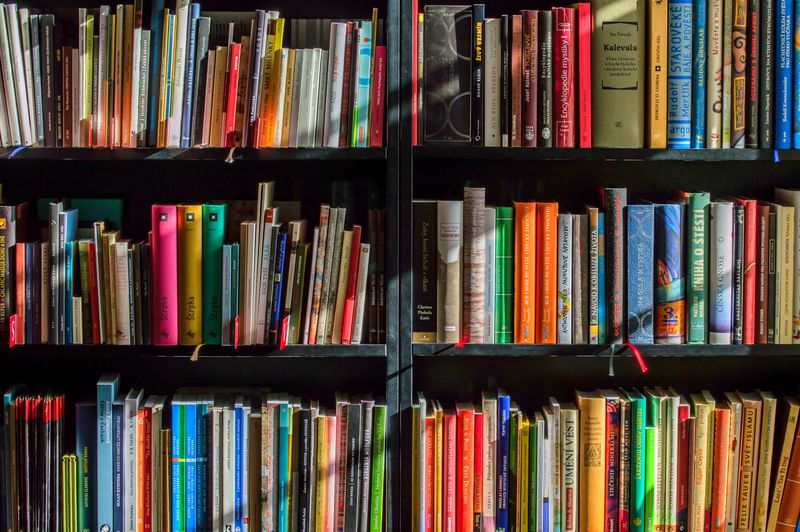
The industrial-scale digitization of physical literature relies on advanced computer vision pipelines combining high-resolution line-scan cameras with custom transformer-based Optical Character Recognition (OCR) models capable of parsing rare typography and aged paper textures.
This briefing covers what changed, how the system works, who feels it first, and a concrete Developer Action Items list at the end — verify every name and number against the source before you act.
Optical Character Recognition: what actually changed
Read the source's account next to the product docs, not instead of them. Names and figures in the lede are the ones we can stand behind; everything else below is how teams usually absorb a story like this. If a number, ship date, or quote is not in the source excerpt, it is not in this briefing. That is deliberate — day-one coverage is where invented specifics do the most damage.
The industrial-scale digitization of physical literature relies on advanced computer vision pipelines combining high-resolution line-scan cameras with custom transformer-based Optical Character Recognition (OCR) models capable of parsing rare typography and aged paper textures.
Optical Character Recognition: how it works
Under the hood this is a systems change, not a press-release adjective. Ask what surface area moved — API, policy, hardware, model behavior, or go-to-market — and which of those you actually ship against. A useful working question: if you had to draw the before/after on a whiteboard, which box would you erase? That is the mechanism. Everything else is packaging.
Cross-check this section against the source and the official docs before you brief stakeholders on Deep Dive: Optical Character Recognition, Data Scrubbing, and Copyright Boundaries in Book Scanning.
Optical Character Recognition: why it matters now
If you build on or compete with the parties named in Deep Dive: Optical Character Recognition, Data Scrubbing, and Copyright Boundaries in Book Scanning, the practical hit is on roadmap sequencing and risk reviews this quarter, not on a vague 'future of the industry'. Put one owner on the story, give them a day to read the primary material, and decide whether this is a this-sprint item, a this-quarter item, or noise.
Cross-check this section against the source and the official docs before you brief stakeholders on Deep Dive: Optical Character Recognition, Data Scrubbing, and Copyright Boundaries in Book Scanning.
Optical Character Recognition: who is affected
Incumbents, customers, and adjacent open-source projects do not feel this equally. Map the change to your own stack: what you operate, what you buy, and what you will have to explain to a security, legal, or finance review. Partners and resellers often feel it before the end user does — check those contracts before you assume nothing moved.
Cross-check this section against the source and the official docs before you brief stakeholders on Deep Dive: Optical Character Recognition, Data Scrubbing, and Copyright Boundaries in Book Scanning.
Optical Character Recognition: what to watch
Treat the next two weeks as a verification window. Watch the vendor's own changelog, any regulator or standards follow-up, and whether a competitor ships a matching capability. Do not change production on day-one coverage alone. If nothing new is published in that window, the story was smaller than the headline.
Cross-check this section against the source and the official docs before you brief stakeholders on Deep Dive: Optical Character Recognition, Data Scrubbing, and Copyright Boundaries in Book Scanning.
A 3–5 minute news post is a briefing, not a runbook. Keep the source and the vendor's primary page in another tab, quote only what they printed, and write down the single decision this story forces (upgrade, wait, or ignore) before you Slack it to the rest of the team. If you need more than that decision, you want the primary docs or a later engineering deep-dive — not another recap of Deep Dive: Optical Character Recognition, Data Scrubbing, and Copyright Boundaries in Book Scanning.
When you brief someone else on Deep Dive: Optical Character Recognition, Data Scrubbing, and Copyright Boundaries in Book Scanning, lead with the surface that moved and the decision you need from them. Do not paste the whole thread. If you cannot name the surface — API, policy, model, hardware, or commercial terms — you are not ready to brief. Go back to the source and the vendor page until you can. That extra ten minutes is cheaper than a wrong upgrade or a missed exposure.
Subscribe to Tech Bytes Daily Briefing
Get top technology breakdowns, silicon engineering insights, and daily executive summaries delivered straight to your inbox.
Tech Pulse Daily
Get tomorrow's pulse first
Join engineers who read Tech Pulse before stand-up. Free, weekday mornings.
No spam. Unsubscribe anytime.
Once scanned, raw OCR text passes through semantic deduplication and entity-sanitization algorithms to clean scan noise before ingestion into training corpora. However, the technical process creates persistent digital copies stored across data lake clusters, directly triggering statutory copyright reproduction provisions.
Legal experts highlight that while acquiring a physical book confers ownership under the First Sale Doctrine, that right does not permit copying or converting the work into digital training vectors without authorization from rightsholders.

Author
Dillip Chowdary
Writes Tech Bytes coverage of AI, engineering, and the tools that actually ship. Editor of Tech Pulse Daily.
Related on Tech Bytes
Deep Dive: Embedded Edge Perception, LiDAR Fusion, and Fleet Autonomy Architecture
Read →
Deep Dive: Sovereign AI Architecture and Technical Governance in Europe
Read →
TechCrunch Mobility: Evaluating the Human Labor and Safety Impact of Autonomous Robotaxis
Read →
Deep Dive: Fiber vs Satellite Economics and the Technological Impact of Rescinding Gigabit Targets
Read →
Free Tools
- ✉️ Vintage Letter Generator
Free handwritten-style vintage letter maker — love notes, parchment, download
- 🎨 Past Forward
AI vintage photo editor — travel a portrait through decades
- ✈️ CareerPilot
AI job-search copilot: live job matching, fit scores & resume optimization
- ⚡ Code Formatter
Clean and format any code snippet instantly
- 🔒 Data Masking Tool
Mask sensitive data in logs and test fixtures
- 🖼️ Base64 Decoder
Decode and preview base64 image strings