AirPods just got a long-requested feature in new software update
While it was overshadowed by release of iOS 27 , Apple also released a new software update for AirPod. AirPods just got a long-requested feature in new.
By Dillip Chowdary • Sep 26, 2026 • Source: 9to5Mac
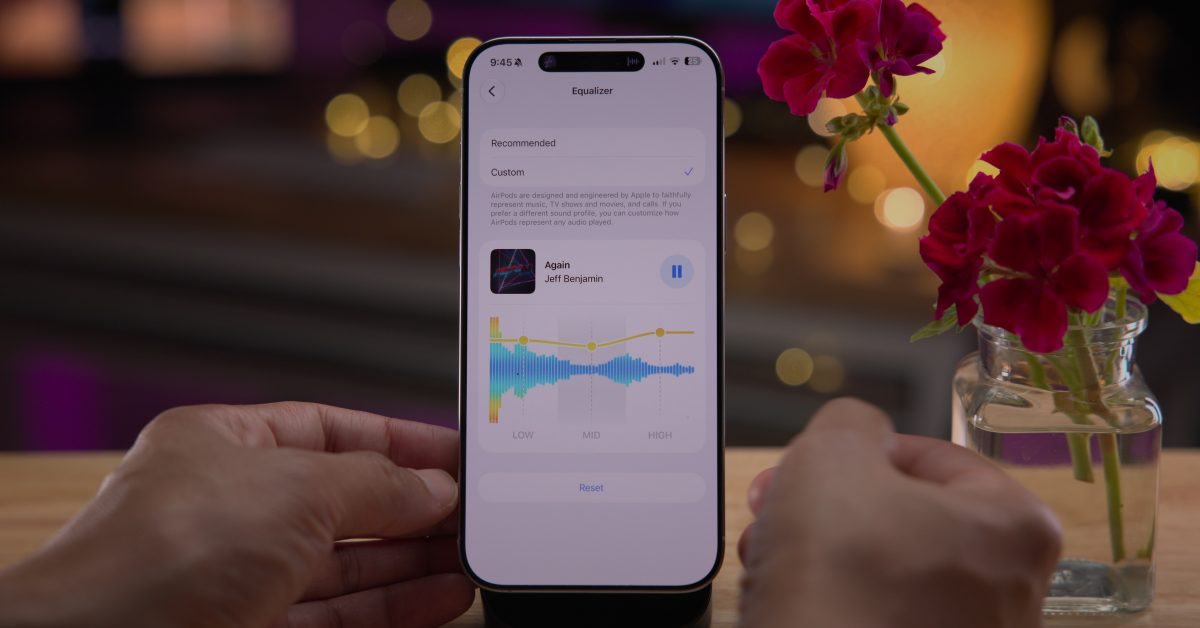
Apple shipped a software update for AirPods alongside the launch of iOS 27, bringing a feature users have been requesting for years. The update landed quietly, drawing little attention as headlines focused on the larger iOS release, but the change it delivers to AirPods is substantive enough to warrant a standalone look.
This piece covers exactly what Apple changed in the AirPods firmware, how the update reaches devices, what to watch for during the rollout, and who benefits most. It is aimed at Apple device owners and developers building audio or accessibility applications on Apple's platform.
What AirPods just got a long-requested feature shipped
Apple released the AirPods firmware update in tandem with iOS 27, confirming the company's pattern of pairing accessory software changes to major OS drops. The update introduces a long-requested capability that AirPods users have sought through feedback channels and Apple support threads for several product generations. Apple did not hold a separate announcement event for the firmware; it arrived as part of the broader iOS 27 rollout, which meant many users received it without realizing a new feature had landed on their earbuds.
The timing reflects Apple's approach to accessory software — firmware updates for AirPods travel silently through the iOS update process rather than appearing as standalone downloads in the App Store or Software Update panel. Users who updated to iOS 27 on a paired device will have the AirPods firmware queued automatically, though the exact moment of delivery depends on connection state and charging status at the time of the host device update.
What changed for builders in AirPods just got a long-requested feature
For developers working with Core Audio, AVFoundation, or Apple's Accessibility APIs, AirPods firmware changes can affect behavior in audio routing, spatial audio sessions, and adaptive transparency pipelines. When Apple adds a long-requested feature at the firmware level, it typically surfaces new capability flags that apps can query at runtime to adjust their audio handling. Developers should verify that existing audio session configurations behave correctly after paired devices update, particularly in applications that manage output routing explicitly.
The source details available at publication time do not include specific API additions or entitlement changes tied to this firmware update. Developers building apps that depend on AirPods-specific behavior — such as head-tracking for spatial audio or Conversation Awareness triggers — should test against updated firmware on device. Apple's developer documentation and release notes for iOS 27 are the authoritative reference for any new AVAudioSession routing identifiers or Accessibility hearing feature flags introduced alongside this update.
Advertisement
Tech Pulse Daily
Get tomorrow's pulse first
Join engineers who read Tech Pulse before stand-up. Free, weekday mornings.
How to install or upgrade AirPods just got a long-requested feature
AirPods firmware does not install through a user-initiated download. After a paired iPhone or iPad updates to iOS 27, the AirPods firmware update is delivered automatically when the earbuds are connected to the host device and placed in their charging case with a power source attached. Apple's support documentation recommends leaving the case plugged in for at least thirty minutes with the AirPods inside to ensure the firmware transfer completes.
To confirm that the update has landed, open the Settings app on the paired iPhone, navigate to Bluetooth, tap the information icon next to the AirPods entry, and scroll to the Firmware Version field. There is no manual trigger or force-update option exposed to users; the delivery is entirely managed by the OS. If the firmware version shown does not reflect the latest release after several hours, disconnecting and reconnecting the AirPods while the case is charging typically resumes the process.
Gotchas and compatibility in AirPods just got a long-requested feature
Firmware updates for AirPods require the host device to be running a compatible iOS version — in this case, iOS 27. AirPods paired to devices that have not yet updated will not receive the firmware automatically. Users who have delayed the iOS 27 update due to enterprise MDM policies or personal preference will also delay receiving the new AirPods feature, since the two are coupled. This dependency is not unique to this release but is worth noting for IT administrators managing fleets of Apple devices.
| Condition | Before iOS 27 Update | After iOS 27 Update |
|---|---|---|
| Firmware delivery | Not triggered | Queued automatically |
| Feature availability | Not present | Available after firmware lands |
| Host OS requirement | iOS 26 or earlier | iOS 27 required |
Compatibility with older AirPods generations has not been confirmed in the available source material. Apple has historically scoped firmware features to specific hardware revisions, so users running earlier AirPods models should check Apple's support pages before assuming the feature will appear on their devices.
What to watch after AirPods just got a long-requested feature
Apple's pattern after a paired-accessory firmware release is to follow up with a support document that lists all changes, affected models, and the firmware version string. That document typically appears on Apple's support site within days of a major iOS release. Tracking the firmware version string shown in Bluetooth settings is the most reliable way for both users and developers to confirm the update is present on a test device.
Developers should keep an eye on Apple's developer forums and release notes for iOS 27 SDK documentation that references any new AirPods capability introduced in this cycle. Community reports on firmware rollout timing can also surface faster than official documentation; Apple developer community channels and 9to5Mac's firmware tracker are practical places to watch for confirmation that the update is propagating broadly across device populations.
Developer Action Items
- ☐ Diff the official changelog for Apple / iOS before you bump — APIs, defaults, and removed flags only.
- ☐ Install through the vendor's documented channel in staging; keep a one-command rollback and time-box the canary.
- ☐ Grep your repo for old flag names, lockfile pins, and plugin versions that the notes mark as breaking.
- ☐ Prefer the first patch cut over the day-zero tag unless you have a reason to be on the leading edge.
- ☐ If 9to5Mac did not name a region, plan, or SKU, screenshot the official availability line before you promise it to users.

Author
Dillip Chowdary
Writes Tech Bytes coverage of AI, engineering, and the tools that actually ship. Editor of Tech Pulse Daily.
Related on Tech Bytes
Advertisement