Apple engineers ‘actively working’ on Face ID for iPhone Duo 2’s outer
Apple is testing Face ID prototypes for the iPhone Duo 2 outer screen ahead of next fall, though tight timelines could push the biometric feature to 2028.
By Dillip Chowdary • Nov 15, 2026 • Source: 9to5Mac

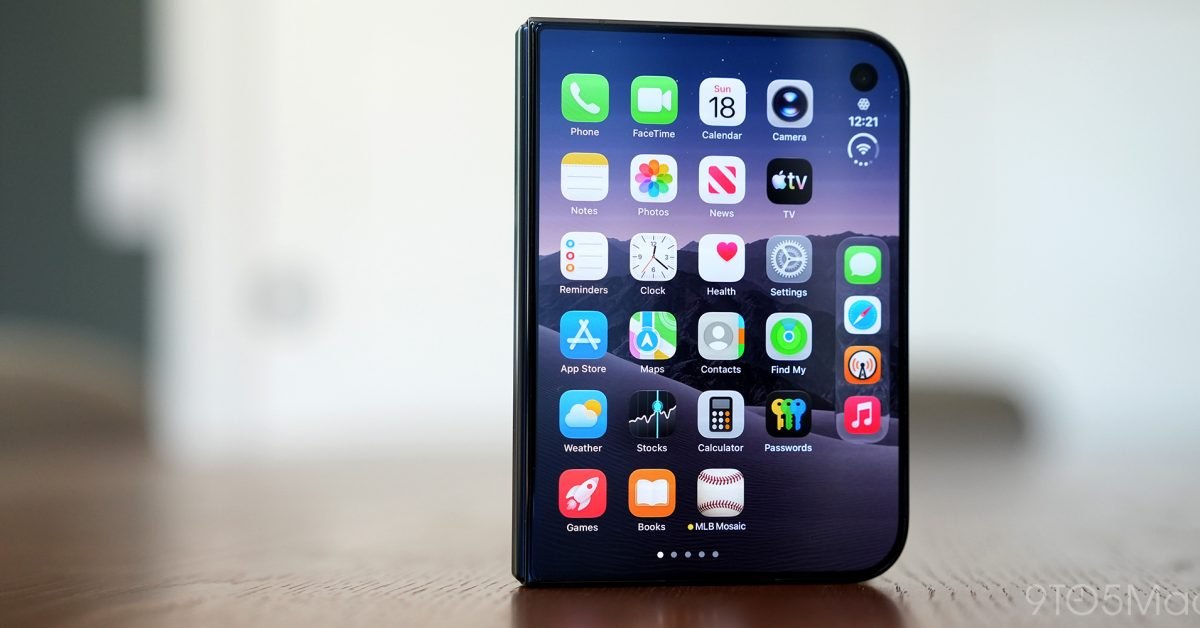
Apple is preparing its second-generation iPhone Duo for release next fall, with engineers attempting to integrate facial-recognition hardware into the outer display. According to 9to5Mac's report, physical prototypes with Face ID already exist in development labs, making exterior biometrics a primary hardware priority alongside routine chip upgrades and camera improvements.
This report examines Apple's biometric testing, control remapping plans, and multi-year hardware targets for its dual-screen lineup. It provides essential context for prospective foldable buyers and mobile hardware followers tracking how engineering constraints and tight development schedules dictate feature rollouts across subsequent hardware revisions.
01Facial recognition prototypes for foldable screens
Apple has developed early working prototypes of the iPhone Duo 2 featuring functional Face ID components. Bloomberg reporter Mark Gurman confirmed that facial recognition currently stands as the top hardware priority inside Apple's development groups. While routine chip refreshes and camera upgrades are planned, embedding facial sensors into the exterior display represents the primary generational shift.
The addition of facial authentication marks a departure from the original hardware's reliance on fingerprint verification. Internal teams are testing the sensor array directly within the outer screen housing to evaluate optical performance. Although lab prototypes exist, the technology remains in active development as engineers evaluate whether the components meet commercial packaging standards.
Production timelines for the scheduled autumn launch remain tight, leaving the final release window uncertain. Gurman noted that the biometric system is not yet fully ready, meaning it could miss the production cutoff entirely. If the feature misses next fall's deadline, Apple plans to delay the rollout until the iPhone Duo 3 in 2028.
02Outer panel sensors and camera control
Apple is focusing its biometric integration solely on the outer cover display rather than the interior folding panel. Engineering teams are embedding the facial recognition array into the exterior glass, allowing users to unlock the device without unfolding it. This design choice concentrates all new biometric sensors on the external shell of the second-generation hardware.
Alongside facial authentication, Apple's other central hardware priority for the new model involves updating the Action Button. Current software plans indicate the button will gain an integration with Camera Control. This addition will allow users to remap the long-press gesture away from Siri in Camera to an application of their choice.
Concentrating scanning hardware on the outer display avoids adding internal complexity across the delicate hinge mechanism. Leaving the interior panel free of facial-recognition sensors preserves internal chassis space for essential structural components. By limiting the upgrade to the exterior screen, Apple focuses its immediate engineering resources on standard phone orientations.
Advertisement
Tech Pulse Daily
Get tomorrow's pulse first
Join engineers who read Tech Pulse before stand-up. Free, weekday mornings.
03Screen orientation and foldable biometric ergonomics
Restricting Face ID to the outer display introduces clear ergonomic tradeoffs for everyday operation. As 9to5Mac reporter Michael Burkhardt noted, users typically hold the closed outer display upright in either the left or right hand. In that standard vertical orientation, an exterior scanner provides immediate authentication without requiring physical repositioning of fingers.
Touch ID complications occur more frequently on the unfolded inner display, where holding styles vary significantly. Depending on how a user holds the unfolded device, reaching the physical fingerprint sensor can become awkward. In varying orientations across the larger screen, finding and pressing the biometric sensor requires shifting hand positions.
Because inner-screen orientation shifts frequently during two-handed use, an exterior-only sensor leaves the interior experience unchanged. Users unfolding the phone to read or multitask must still rely on Touch ID to authenticate secure actions. For owners handling the unfolded hardware, an outer facial sensor does not resolve reachability issues on the larger display.
04Dual screen users and button accessibility
The proposed biometric split directly affects how foldable owners interact with the device during daily tasks. Quick interactions on the outer screen become faster, allowing glanceable authentication for incoming alerts and messages. Conversely, users who spend most of their time working on the larger inner screen will continue to rely on manual fingerprint scanning.
The planned Action Button modification alters standard camera navigation by expanding physical shortcut options. By remapping the hold gesture from Siri to an alternative app, users gain direct control over shortcut assignments within Camera Control. This adjustment provides flexible app launching directly from physical device inputs rather than digital menu selections.
Potential buyers must weigh the convenience of front-facing facial biometrics against continued button navigation inside. While outer-screen use mirrors standard smartphone unlocking, expanding the device retains traditional physical contact requirements. For users considering an upgrade, the dual-screen experience remains a hybrid approach between modern facial scanning and established capacitive touch sensors.
05Thinner enclosures and telephoto camera roadmaps
Beyond next fall's scheduled launch, Apple is pursuing several multi-year hardware objectives for future foldable iterations. The company aims to introduce a telephoto camera module to provide dedicated optical zoom on later models. Adding advanced optical zoom lenses presents packaging hurdles that require careful balancing against the overall thickness of the folding chassis.
Apple also wants to make subsequent generations of the iPhone Duo noticeably thinner and lighter overall. Reducing the weight of the device addresses an immediate usability need for portable handling. However, engineering a thinner dual-screen frame while accommodating complex optical zoom components represents an intricate technical feat across future production cycles.
If engineering challenges prevent Face ID from debuting next fall, the feature will slip to the 2028 release window. That delayed timeframe would see facial authentication launch on the iPhone Duo 3 alongside thinner materials and the telephoto camera. Observers will monitor production readiness over the coming months to confirm whether exterior biometrics make next autumn's cutoff.
Apple engineers ‘actively working’ on Face ID FAQ
Will the iPhone Duo 2 feature Face ID on both screens?
Apple engineers are actively working to integrate Face ID exclusively on the outer display. The inner folding screen is expected to continue relying on Touch ID for biometric authentication.
What happens if Face ID is not ready for the iPhone Duo 2?
Mark Gurman reported that development timelines are tight, meaning the feature might miss next fall's launch cutoff. If delayed, Apple will likely introduce outer Face ID on the iPhone Duo 3 in 2028.
How is Apple updating the Action Button?
Apple plans a software addition for Camera Control that allows users to remap the hold gesture. Instead of activating Siri in Camera, users will be able to launch an app of their choice.
What other hardware upgrades is Apple planning for future iPhone Duo generations?
Apple wants to introduce a telephoto camera system and re-engineer the foldable device to make it thinner and lighter overall.
Sources

Author
Dillip Chowdary
Writes Tech Bytes coverage of AI, engineering, and the tools that actually ship. Editor of Tech Pulse Daily.
Related on Tech Bytes
Advertisement