Apple’s first smart glasses are coming together
Apple plans to unveil its Siri-powered smart glasses at WWDC next June, launching thinner frames and Tic Tac sized magnetic charging before the year ends.
By Dillip Chowdary • Nov 15, 2026 • Source: The Verge

Apple is developing its first pair of smart glasses for an official debut at next year's Worldwide Developers Conference, marking the consumer hardware giant's formal entry into smart eyewear without augmented reality displays. According to details published in The Verge's report, the upcoming device focuses on voice intelligence, sound delivery, and a lightweight frame rather than visual projections. The product aims to translate company software ecosystems directly into daily eye accessories.
This report details the hardware specifications, industrial design, custom charging system, operating system architecture, and retail release window for the new wearable. It is intended for software developers planning voice integrations, tech industry analysts tracking wearable product categories, and everyday consumers following the evolution of personal audio frames. Readers will find the full operating parameters confirmed across current prototype testing cycles.
01WWDC timetable and initial shipping window
Apple plans to introduce the smart glasses during its annual Worldwide Developers Conference in June next year. The event will serve as the public unveiling for the hardware, though consumer availability will follow a staged timetable rather than an immediate retail rollout. Bloomberg reporter Mark Gurman stated that glasses shipments would begin before the end of the year.
The initial hardware release will intentionally lack augmented reality features, avoiding holographic waveguides or optical projection lenses. By omitting complex visual displays, Apple prioritizes a traditional eyewear profile over the bulkier spatial computing designs found in dedicated headsets. This deliberate omission keeps the product centered on audio playback, environmental interaction, and voice commands.
Staging the hardware preview in June provides a critical runway for ecosystem preparation before shipping units reach consumers. Apple frequently uses its developer summit to introduce new product categories months before sales commence, ensuring software partners have functional frameworks in place. The late-year shipping target aligns manufacturing ramps with final application validation cycles.
02Thinner frame hardware and smartwatch processor
Current prototypes of the glasses carry the internal codename N50 inside Apple hardware engineering divisions. Test units are reportedly slightly thinner than Meta's second-generation Ray-Ban smart glasses, giving them an aesthetic advantage in physical wearability. The industrial design emphasizes classic optical styling, everyday comfort, and discrete component placement across the frame.
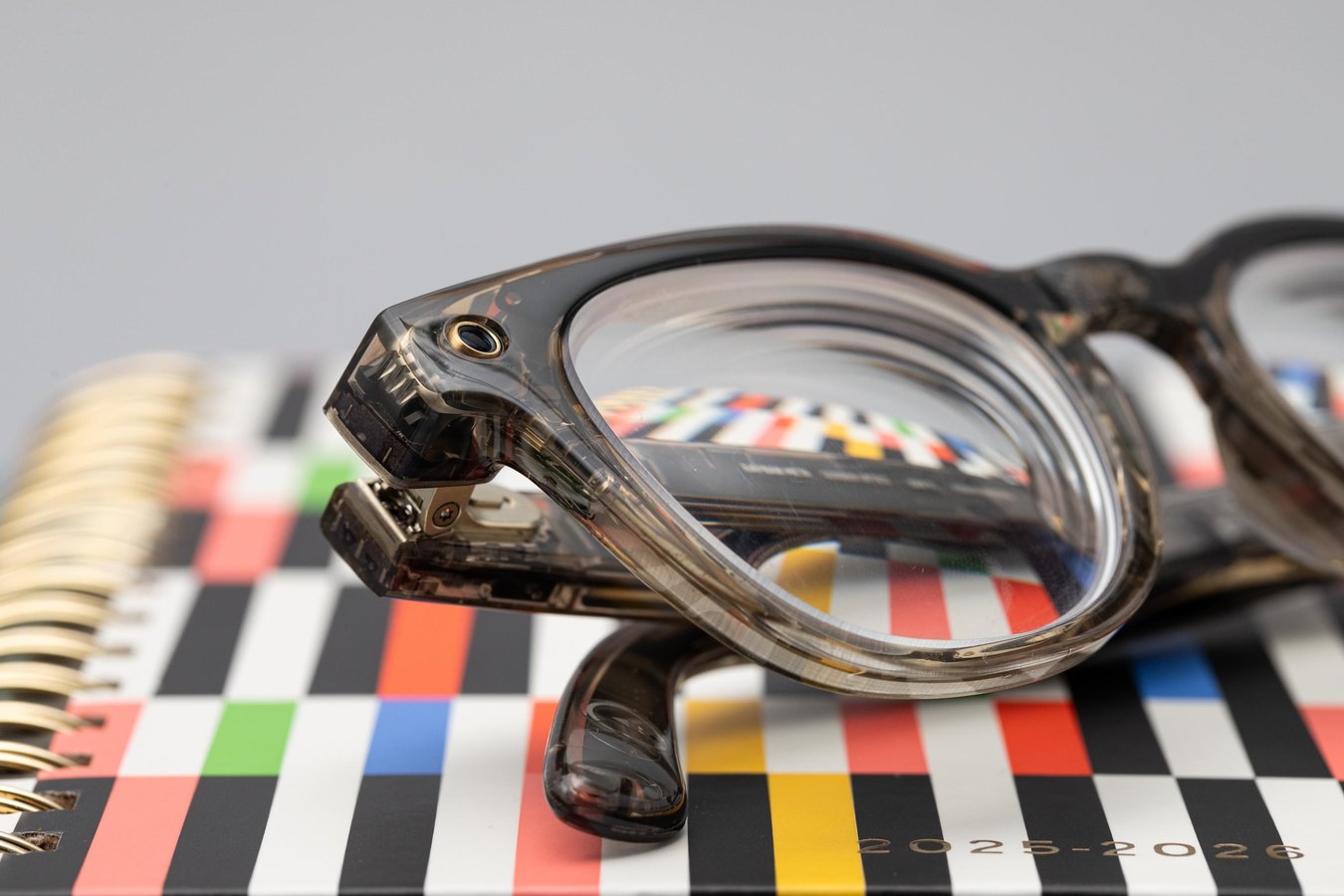
User privacy and design restraint are central priorities for the industrial design team building the N50 frames. The company is designing the hardware to integrate smoothly into everyday social environments without drawing unwanted scrutiny. Engineers are focused on crafting a device that feels indistinguishable from conventional prescription eyewear or luxury sunglasses.
Processing tasks on the device are handled by a newly developed chip based on older Apple smartwatch architectures. Adapting existing smartwatch silicon provides reliable power efficiency while meeting the thermal constraints of a slender eyeglass chassis. This silicon approach supplies sufficient local compute to coordinate sensor inputs without requiring massive internal logic boards.
Advertisement
Tech Pulse Daily
Get tomorrow's pulse first
Join engineers who read Tech Pulse before stand-up. Free, weekday mornings.
03Tic Tac sized charger and magnetic power
The smart glasses feature an innovative MagSafe-style magnetic charging interface engineered specifically for the wearable chassis. Gurman described the charger as flat, rectangular, and roughly the size of a Tic Tac. The ultra-compact connector snaps directly onto the frame, ensuring reliable electrical contact without relying on bulky plug-in ports.
A key feature of the charging system is that users can keep the accessory attached while actively wearing the eyewear. This continuous-use capability allows owners to top up battery levels during desk work or sedentary tasks without interrupting audio streams. The charging solution reflects a practical design choice for extended daily usage.
Keeping battery components slender prevents the frames from feeling front-heavy on the bridge of the nose. By shifting continuous power options to a lightweight magnetic connector, engineers protect the aesthetic profile of the temples. The miniature charger fits easily into pockets or small cases for travel convenience.
04Pared-down visionOS and fine-grained Siri
On the software side, N50 prototypes currently run a pared-down version of visionOS tailored specifically for display-free wearable interaction. The operating system strips out spatial rendering pipelines, focusing system resources strictly on sensor inputs, connectivity, and audio output. This lightweight software environment ensures rapid responsiveness without placing heavy demands on the onboard processor.
The primary user interface relies entirely on Apple's newly revamped Siri artificial intelligence platform. The upgraded assistant introduces fine-grained control over individual application functions, allowing complex user requests through spoken prompts. Apple expects this enhanced assistant capability to serve as the functional backbone for navigating third-party services.
To ensure broad compatibility at launch, Apple is rolling out these fine-grained Siri controls to developers on the iPhone first. By establishing the developer tooling across mobile handsets beforehand, the company aims to have a robust application catalog ready. This strategy ensures the glasses can hit the ground running with practical utility.
05Standalone Wi-Fi audio and calling support
The eyewear incorporates onboard Wi-Fi connectivity, granting users a degree of operational freedom from a paired iPhone. Although the glasses rely on a connected smartphone to execute many complex computational tasks, Wi-Fi allows certain native functions to persist independently. For example, users can walk away from their phones and keep listening to audio without signal loss.
Audio performance stands as a major selling point, with Apple employees describing the output quality as industry-leading. The acoustic architecture supports crisp music playback, standard phone calls, and FaceTime audio communication directly from the frame temples. Acoustic tuning aims to deliver rich voice clarity while minimizing exterior sound leakage.
While the hardware will not operate as a completely standalone computing replacement, the hybrid connectivity model balances battery longevity with practical utility. Basic calling and streaming over local wireless networks provide freedom around homes and offices. The finished product seeks to blend daily audio utility with seamless iOS integration.
Apple’s first smart glasses are coming FAQ
When will Apple announce and ship its first smart glasses?
Apple plans to announce the smart glasses at its Worldwide Developers Conference in June next year, with shipments scheduled to begin before the end of the year.
Will Apple's smart glasses include augmented reality displays?
No, the first model will lack augmented reality features and display projection, focusing instead on audio playback, voice controls, and frame styling.
What processor and operating system power the device?
The prototype glasses run a pared-down version of visionOS powered by a custom processor derived from older Apple smartwatch chips.
How does the charging system work on the smart glasses?
The device utilizes a flat, rectangular MagSafe-style magnetic charger roughly the size of a Tic Tac that can charge the glasses while they are being worn.
Can the smart glasses play audio without an iPhone nearby?
Yes, onboard Wi-Fi allows certain native functions, including audio playback, to continue working when users walk away from their paired iPhone.
Sources

Author
Dillip Chowdary
Writes Tech Bytes coverage of AI, engineering, and the tools that actually ship. Editor of Tech Pulse Daily.
Related on Tech Bytes
Advertisement