Apple’s Siri AI smart glasses are reportedly launching next year, here’s
Apple plans to reveal Siri AI smart glasses at WWDC ahead of a year-end release, offering flush cameras, iOS 27.3 app hooks, and iPhone-tethered processing.
By Dillip Chowdary • Nov 15, 2026 • Source: 9to5Mac
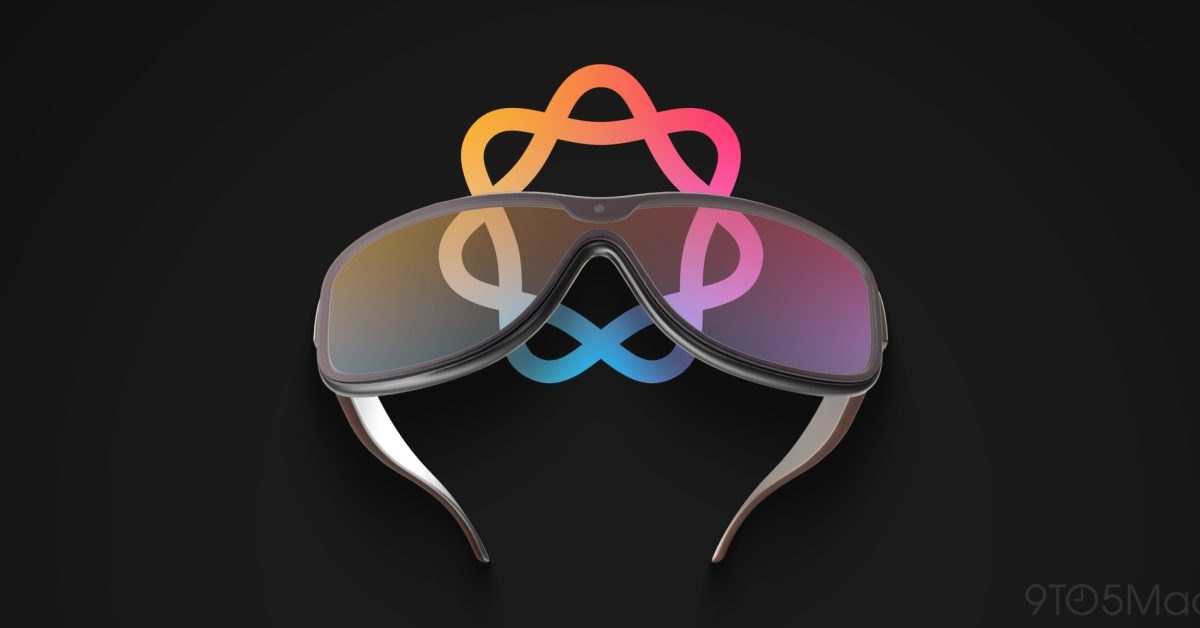
Apple is preparing to enter the wearable smart glasses market with a dedicated hardware device designed around Siri AI and deep integration across the Apple hardware ecosystem. The development initiative, detailed in 9to5Mac's report, outlines Apple's plan to challenge rival smart eyewear by coupling custom industrial design with platform-level intelligence. The new wearable aims to provide hands-free voice assistance while relying on companion hardware to execute processing tasks.
This breakdown details the expected software architecture, industrial hardware design, connectivity requirements, audio specifications, and projected production timeline for Apple's upcoming wearable. It is intended for mobile developers, hardware engineers, and enterprise technology planners evaluating upcoming wearable ecosystems. Readers can examine how Apple intends to position its assistant software against competing wearable form factors across the consumer technology market.
01WWDC preview and commercial release timeline
According to reporting from Bloomberg's Mark Gurman, Apple intends to officially introduce its smart glasses hardware during the next Worldwide Developers Conference. The public debut at the developer event will provide developers with an advance preview of the platform before retail units arrive in stores. Company planners are currently targeting a commercial market launch by the end of next year.
The targeted release schedule mirrors Apple's historic approach of revealing novel hardware categories months ahead of consumer availability. By introducing the eyewear at a major conference, Apple gives third-party engineers substantial lead time to prepare compatible software before commercial shipments commence. This timeline ensures consumer units arrive on the market backed by functional ecosystem integrations rather than standalone demonstrations.
Apple is positioning the hardware directly against established smart eyewear products, most notably Meta's second-generation Ray-Ban glasses. While Meta currently maintains an early lead in consumer agentic artificial intelligence assistants, Apple aims to leverage its existing developer relationships to bridge that gap quickly. Delivering working retail units before the end of the year remains the central benchmark for the product launch.
02Deep third party Siri integration in iOS
Apple is preparing the software foundation for the glasses through foundational updates to its mobile operating system. Beginning with the iOS 27.3 beta, engineers are establishing direct third-party app integration within Siri rather than relying solely on legacy Siri Shortcuts. This shift enables developers to hook application services directly into the central voice assistant layer across connected devices.
The operating system update addresses a primary limitation observed in competing hardware platforms where third-party application integration remains restricted or absent. Apple plans to use its established app store ecosystem to give the smart glasses a substantial competitive advantage at launch. By the time consumer units ship at year's end, Apple expects developers to deploy a plethora of third-party integrations.
Moving beyond basic Shortcuts allows Siri to interact fluidly with diverse application data without requiring complex manual automation routines. External software will feed information directly into Siri's voice interface, creating contextual responses tailored to the user's current environment. This architecture ensures the wearable functions as an interactive extension of everyday mobile apps from day one.
Advertisement
Tech Pulse Daily
Get tomorrow's pulse first
Join engineers who read Tech Pulse before stand-up. Free, weekday mornings.
03Nearby iPhone tethering and standalone wireless networking
The smart glasses will not execute applications directly on internal onboard silicon. According to Gurman's reporting, the physical eyewear will offload computation and rely entirely on a nearby iPhone to process application logic and artificial intelligence queries. This architectural strategy allows the frame to maintain a lightweight form factor while utilizing the smartphone's advanced processing cores.
Despite heavy tethering to the smartphone, the wearable hardware will incorporate standalone Wi-Fi connectivity. The internal Wi-Fi components will permit specific application features to remain operational even when a connected iPhone is not immediately nearby. Nevertheless, Apple intends the device to function predominantly as an iPhone accessory rather than a fully independent computing platform.
Offloading processor-intensive operations to a host device mitigates thermal buildup and battery drain across the eyewear chassis. Users will depend on their paired iPhone for data synchronization, complex computational routines, and cellular handoffs. This approach aligns the glasses with Apple's broader accessory strategy, maintaining high responsiveness while avoiding the physical bulk of standalone computing hardware.
04Flush camera frames and front privacy hardware
Internal test units reveal an industrial design profile that is slightly thinner than Meta's second-generation Ray-Ban frames. Apple engineers have structured the chassis to minimize bulk while housing optical sensors inside clean, oval-shaped cutouts. On multiple prototype units, the cameras sit completely flush with the surrounding frame rather than protruding outward from the front surface.
The front exterior incorporates a dedicated hardware indicator light that illuminates whenever the smart glasses are actively recording or recharging. This visible signal informs nearby bystanders when image capture sensors or charging circuits are actively engaged. In addition to the charging light, Apple has been actively experimenting with several other front-facing features dedicated to user and bystander privacy.
Integrating flush camera housings prevents the awkward sensor protrusion common on bulkier smart frames while preserving a balanced appearance. The hardware privacy indicators address long-standing public concerns regarding unobtrusive recording in social settings. Apple continues refining these external front elements across early prototype batches to meet internal design and privacy thresholds prior to manufacturing.
05Acoustic engineering and industry leading speaker hardware
Audio performance represents another primary engineering priority for Apple's development team. According to Bloomberg's disclosures, company engineers describe the wearable's acoustic output as industry-leading compared to current market alternatives. The development team has focused extensive acoustic testing on delivering clean voice responses, crisp microphone pickup, and balanced sound directly into the wearer's ears.
Developing high-fidelity open-ear sound is essential for wearable glasses that lack isolating silicone ear tips. The speakers must project intelligible Siri responses, voice calls, and media audio directly to the user while minimizing external sound leakage in quiet environments. Engineers have optimized internal speaker transducers to achieve high clarity without adding noticeable weight or thickness to the temples.
Clear acoustic feedback reinforces Siri's role as the primary interaction model for the glasses, replacing traditional visual touchscreens with speech. Users will rely on responsive voice interaction to navigate notifications, trigger app actions, and manage media playback seamlessly on the move. Apple expects this acoustic refinement to distinguish its eyewear as a premium audio and communication accessory.
Apple’s Siri AI smart glasses are reportedly FAQ
When are Apple's Siri AI smart glasses expected to launch?
According to Bloomberg's Mark Gurman, Apple plans to introduce the smart glasses at the next WWDC and release them commercially by the end of next year.
Will Apple's smart glasses run apps without an iPhone?
The glasses will not run applications directly and primarily function as an iPhone accessory, though onboard Wi-Fi allows certain apps to operate when the phone is not nearby.
How does iOS 27.3 support Apple's upcoming smart glasses?
The iOS 27.3 beta establishes direct third-party app integration within Siri, replacing basic Siri Shortcuts with comprehensive app hooks ahead of the wearable's launch.
How does the hardware design compare to Meta Ray-Bans?
Internal prototypes are slightly thinner than Meta's second-generation Ray-Bans, featuring flush oval camera openings, industry-leading audio, and front privacy indicator lights.
Sources

Author
Dillip Chowdary
Writes Tech Bytes coverage of AI, engineering, and the tools that actually ship. Editor of Tech Pulse Daily.
Related on Tech Bytes
Advertisement