California’s proposed ‘billionaire tax’ fails to pass
California voters rejected Proposition 40 after tech leaders spent $379 million to defeat the proposed 5% wealth tax on residents worth over $1 billion.
By Dillip Chowdary • Nov 10, 2026 • Source: TechCrunch
California voters rejected Proposition 40 during the recent midterm election, defeating a high-profile ballot measure that aimed to levy a special one-time 5% wealth tax on the state’s richest residents. The decision followed an aggressive and costly campaign that pitted labor unions seeking social program funding against prominent Silicon Valley executives, investors, and Gov.
Gavin Newsom, as detailed in TechCrunch's report. The Associated Press confirmed the measure failed after opponents mobilized hundreds of millions of dollars to convince voters that the levy would undermine the local economy.
This breakdown details the financial mechanisms behind Proposition 40, the coalition that financed its defeat, and the competing economic arguments surrounding capital flight and public revenue. It examines the perspective of venture investors, startup founders, and policy architects who debated how wealth taxation intersects with corporate governance, startup equity, and California’s budget.
01Ballot defeat and campaign spending imbalances
Proposition 40 was rejected by voters following an expensive media campaign in which the opposition outspent backers by roughly 10 to 1. Opponents marshaled substantial financial resources, including as much as $379 million from the fortunes of tech billionaires like Google co-founder Sergey Brin to run a coordinated campaign against the initiative.
Labor unions led the push in favor of the measure, seeking dedicated revenue streams for strained public services. However, the opposition unified business leaders and established political figures, with Gov. Gavin Newsom actively opposing the measure alongside technology executives and venture capitalists.
Despite losing the vote, organizers behind the wealth tax signaled that the policy debate remains active across California. Labor leaders and measure backers told the AP that they could bring a revised version of the wealth tax back before state voters on the 2028 ballot.
02Retroactive thresholds and Medi-Cal funding targets
Proposition 40 proposed a one-time 5% levy applied directly to California residents holding a personal net worth exceeding $1 billion. Under the initiative's statutory language, the assessment would have applied retroactively to anyone residing in the state on January 1, 2026, capturing paper gains and holdings accumulated prior to the vote.
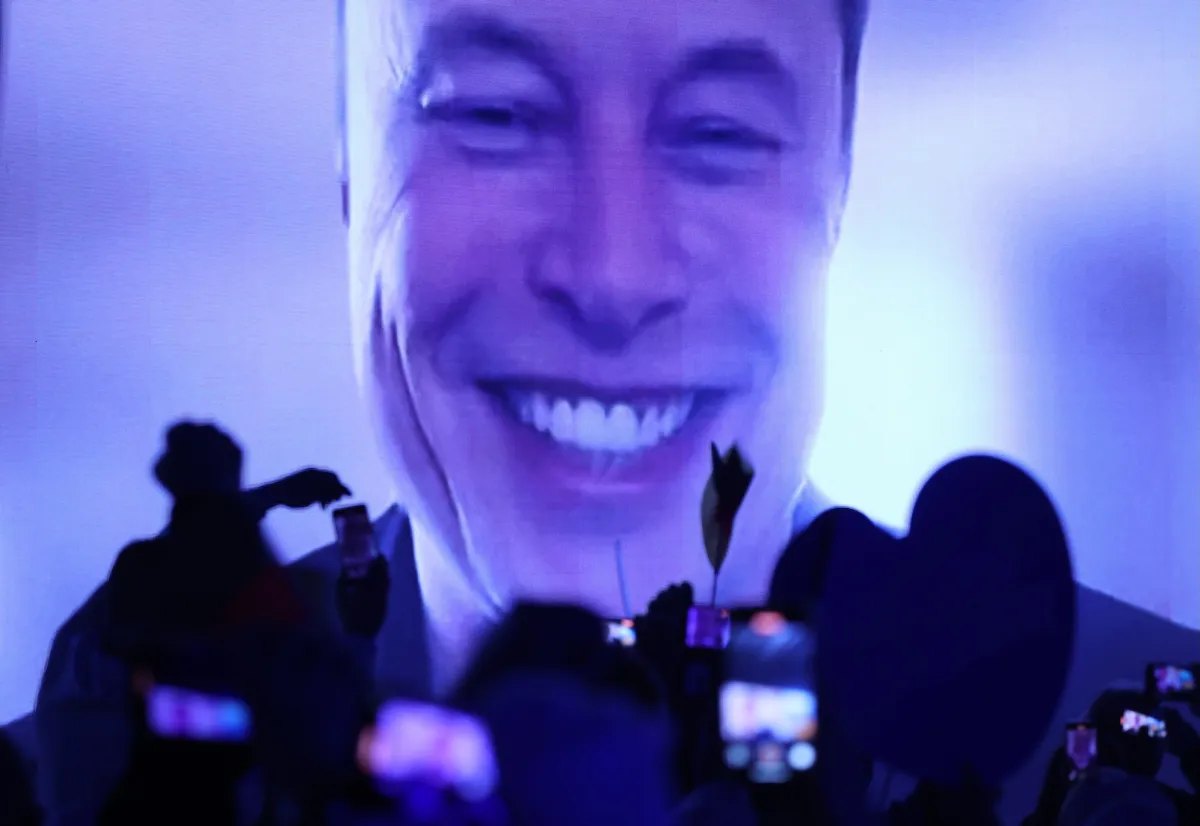
Backers designed the tax to generate dedicated funding for public services across California, prioritizing healthcare and educational systems. Revenue from the assessment was designated primarily for Medi-Cal, the state’s Medicaid program providing essential medical care to qualifying low-income residents across California counties.
Supporters projected the 5% tax would generate as much as $100 billion over a five-year collection window. Union proponents emphasized that California counts a little over 200 billionaires who control a cumulative $2 trillion in wealth, arguing that tapping this pool would transform social program funding without affecting broader taxpayers.
Advertisement
Tech Pulse Daily
Get tomorrow's pulse first
Join engineers who read Tech Pulse before stand-up. Free, weekday mornings.
03Capital flight fears and venture liquidity
Opponents built their campaign around the risk of severe capital flight, arguing the levy would push wealthy residents to permanently relocate to low-tax jurisdictions. A critical analysis circulated before the vote asserted the tax would actually cause California to lose money over time by draining the steady income tax receipts those individuals generate.
Castle Island Ventures general partner Nic Carter argued the tax hung like a sword of Damocles over founders, signaling that entrepreneurship was viewed as a resource to plunder. Carter noted that venture firms would hesitate to back companies if founders had to liquidate massive share blocks to cover sudden wealth tax bills, predicting the policy would benefit states like Florida and Texas.
Entrepreneurs argued the mechanism penalized bootstrapped businesses and threatened operational control. Mainstreet CEO Jesse Tinsely, who built a multi-billion-dollar holding company owning Recruiter.com and Employer.com after working as a firefighter, stated the tax would force entrepreneurs to either surrender equity by raising outside capital or leave the state entirely.
04Narrow revenue base and artificial intelligence gains
UC Berkeley economics professor Emmanuel Saez, who designed and promoted the initiative with Berkeley economist Gabriel Zucman, disputed claims that the tax would strip founders of company control. Saez explained that corporate equity can easily use dual-class share structures, allowing founders to maintain voting control while selling or diluting economic ownership to pay tax obligations.
Saez also highlighted structural imbalances in California's tax collection, pointing out that an explosion of wealth driven by artificial intelligence remains concentrated among a tiny cohort of companies and individuals. Under current tax structures, Saez noted, very little of that newly generated wealth flows back into public infrastructure or municipal coffers.
California currently collects approximately $3 billion annually from its billionaire class, representing roughly 1% of total state revenue collected between 2025 and 2026. Saez and Zucman argued that such figures demonstrate the state captures minimal return from extreme capital accumulation without dedicated wealth-based assessment tools.
05Future ballot measures and multi-state competition
The rejection of Proposition 40 leaves California’s existing tax structure in place, easing immediate pressure on venture-backed founders with high paper valuations but limited liquid cash. Tech leaders argued the defeat prevents an exodus of innovative firms that would have diminished San Francisco's standing as a premier destination for early-stage capital formation.
Investors in competing tech hubs continue to watch California’s legislative climate closely. Out-of-state venture capitalists like Carter maintain that California’s governance risks squandering its historical advantage in capital allocation, leaving rival markets in Texas and Florida positioned to attract displaced businesses and taxable high-net-worth individuals.
Because coalition backers have already floated a return to the ballot in 2028, tech companies and labor organizations are expected to maintain active political operations around wealth tax legislation. Both sides have established campaign infrastructure that will influence how future state budgets address structural deficits and Medi-Cal funding requirements.
California’s proposed ‘billionaire tax’ fails FAQ
What was California Proposition 40?
Proposition 40 was a California ballot measure proposing a one-time 5% wealth tax on residents with a net worth over $1 billion to fund programs like Medi-Cal.
How much money was Proposition 40 projected to raise?
Proponents projected the wealth tax could generate up to $100 billion over five years from California's roughly 200 billionaires holding $2 trillion in total wealth.
Who spent money to oppose Proposition 40?
Tech leaders outspent backers roughly 10 to 1, including up to $379 million from billionaires such as Google co-founder Sergey Brin alongside opposition from Gov. Gavin Newsom.
Will the California billionaire tax return in future elections?
Measure backers announced following the defeat that they could put a similar wealth tax proposal back on the California ballot in 2028.
Sources

Author
Dillip Chowdary
Writes Tech Bytes coverage of AI, engineering, and the tools that actually ship. Editor of Tech Pulse Daily.
Related on Tech Bytes
Advertisement