ChatGPT’s new Wallet lets AI agents shop and check out for you
The breakdown is designed for digital commerce teams, software engineers, and subscribers evaluating autonomous payment agents for consumer shopping workflows.
By Dillip Chowdary • Nov 14, 2026 • Source: TechCrunch
OpenAI launched a dedicated wallet feature that enables its artificial intelligence agents, called dots, to assist customers with product selection and execute checkouts on their behalf. According to TechCrunch's report, the initial deployment is restricted to a limited tier of ChatGPT Pro subscribers across the United States. The system links directly to personal payment cards so automated assistants can handle end-to-end purchasing flows without exposing raw account numbers to sellers.
This analysis details the operational mechanics, security architecture, cardholder protections, and retail availability constraints governing OpenAI's new checkout tool. The breakdown is designed for digital commerce teams, software engineers, and subscribers evaluating autonomous payment agents for consumer shopping workflows. Readers will find comprehensive specifics on setup requirements, biometric authentication steps, merchant data transmission rules, and upcoming platform controls.
01Initial rollout for verified adult subscribers
OpenAI structured the initial release as a restricted testing phase aimed at evaluating agent purchasing performance under real-world conditions. Access requires an active ChatGPT Pro subscription, and participants must be at least 18 years old residing within the United States. This staged deployment allows the engineering team to monitor real-time transaction reliability before expanding eligibility to wider consumer cohorts.
Payment card eligibility at launch is limited to cards issued by United States financial institutions across three major networks. Supported payment options include credit and debit cards backed by Visa, Mastercard, and American Express. Subscribers configure their accounts by saving eligible cards directly into the ChatGPT Wallet interface during a single initial setup session.
This one-time account setup eliminates the repetitive chore of re-entering 16-digit card numbers, expiration dates, and billing addresses during subsequent shopping sessions. Once an eligible card is registered, users prompt their dot assistant to locate items and initiate checkout workflows. The saved profile remains available for future transactions until the account holder updates or modifies their stored payment preferences.
02Biometric checkout and payment token privacy
OpenAI maintains human oversight throughout the purchasing process to ensure account owners retain total authority over completed transactions. Before any purchase finalizes, the dot presents a summary screen detailing the selected items, the final order total, and the specific payment card designated for billing. Users can review these line items carefully before confirming the automated transaction.
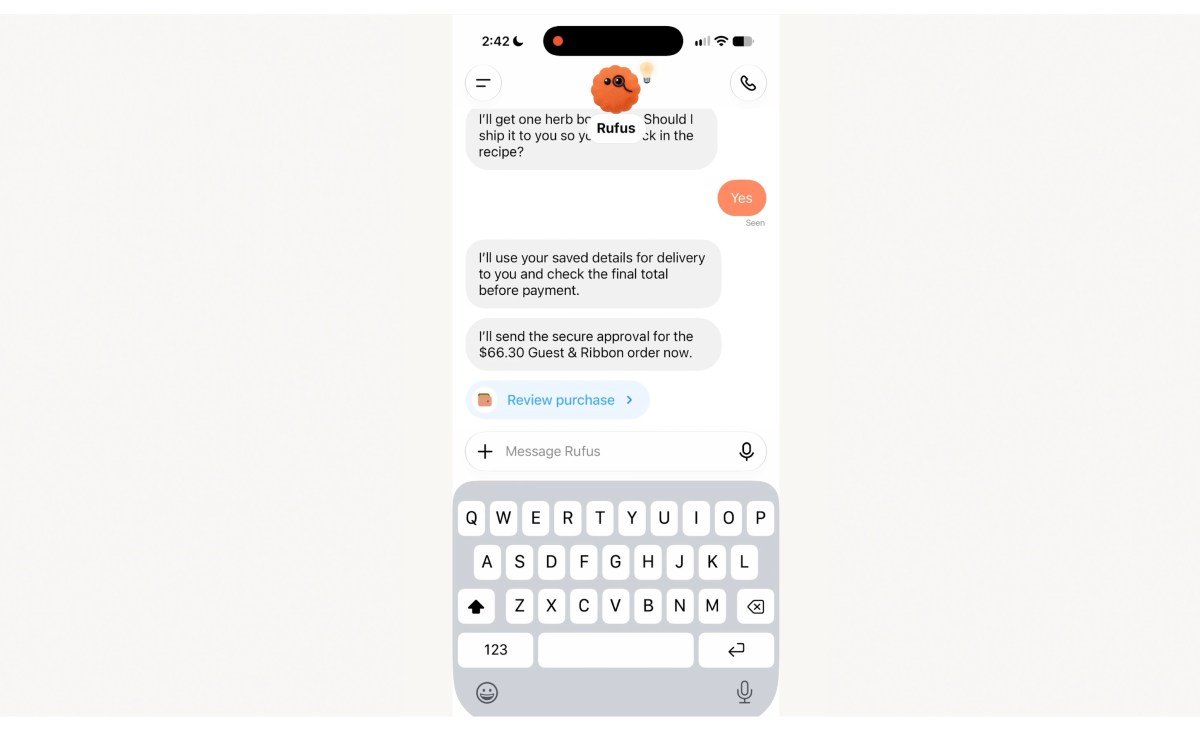
Final order authorization requires direct biometric verification from the subscriber using security mechanisms like Apple Face ID or a device fingerprint scanner. Completing this local biometric prompt generates an authenticated transaction record while ensuring unattended agents cannot trigger unauthorized charges. The confirmation sequence guarantees that every order receives explicit approval from the authenticated account holder.
Underlying transactions rely on payment tokenization rather than transmitting actual primary account numbers across the network. The ChatGPT Wallet charges the selected payment method using a synthetic digital token that acts as a secure stand-in for card credentials. Because this tokenized proxy replaces actual card details, sensitive financial numbers are never exposed to the agent or merchant systems.
Advertisement
Tech Pulse Daily
Get tomorrow's pulse first
Join engineers who read Tech Pulse before stand-up. Free, weekday mornings.
03Shipping fulfillment and credit card protections
Merchants receive order fulfillment data directly from the dot assistant once the biometric confirmation succeeds. The agent automatically transmits the buyer's designated shipping address and contact details to the seller's order processing platform. This automated handoff provides retailers with necessary shipping logistics while keeping the underlying credit card account details completely private.
Purchases completed through the wallet infrastructure remain eligible for standard credit card rewards programs and promotional perks. Subscribers retain normal point accumulation, cash-back percentages, and airline mileage rewards associated with their specific Visa, Mastercard, or American Express accounts. Using an autonomous agent to coordinate purchases does not degrade or forfeit these contractual banking incentives.
Consumers also retain access to standard institutional safeguards, including established billing error dispute procedures and fraud liability protections. If an order encounters delivery failures or billing discrepancies, account holders can challenge charges directly through their card-issuing bank. These established consumer safeguards provide a familiar regulatory safety net beneath automated agent transactions.
04Agent competition across consumer retail platforms
OpenAI introduced the wallet feature as consumer software providers compete to secure product-market fit for generative artificial intelligence tools. While automated assistants show technical promise, several major enterprise platforms have reported sluggish consumer adoption for transactional tasks. Delivery operators DoorDash and Uber have disclosed minimal order volume generated through external artificial intelligence agents to date.
In contrast, Meta has experienced significant consumer engagement with commercial agent workflows on its standalone Muse application. With an active base surpassing 10 million registered users, Meta observed that assisted shopping rapidly became one of the platform's leading activities. Independent developer offerings like Instinct have also established early traction by executing consumer purchases directly on behalf of users.
Retail distribution faces resistance from established e-commerce marketplaces seeking to protect their proprietary transaction ecosystems. Amazon emerged as the most prominent retailer blocking third-party artificial intelligence agents from scraping listings or completing site checkouts. The e-commerce corporation restricts external shopping bots in an effort to channel consumer purchasing traffic toward its native Alexa assistant.
05Planned spending controls and merchant playbooks
OpenAI intends to broaden agent autonomy gradually by introducing configurable operational constraints in upcoming software releases. Future configuration panels will let users establish strict monetary spending limits across specific purchasing categories or custom time intervals. These forthcoming controls will enable dots to complete pre-approved purchases autonomously without requiring explicit biometric approval on every minor transaction.
Expanding retail coverage remains an ongoing platform objective as OpenAI negotiates wider retailer compatibility across the broader digital economy. While defensive web scrapers and checkout blocks create technical friction, the company seeks to build formal integrations with major merchants. Scaling merchant participation will determine whether agentic purchasing evolves beyond a narrow tech demonstration into a daily retail utility.
To accelerate technical integration across external e-commerce sites, OpenAI released a Commerce Partner Playbook for commercial developers and retail brands. This technical manual provides guidance, integration standards, and software tools designed to help storefronts accept automated agent traffic smoothly. Retailers can implement these recommended protocols to support agent-driven shoppers while maintaining order integrity and bot mitigation defenses.
ChatGPT’s new Wallet lets AI agents shop FAQ
Who is currently eligible to use the ChatGPT Wallet feature?
The feature is available to a limited group of ChatGPT Pro subscribers in the United States who are at least 18 years old. Eligible users must hold a U.S.-issued payment card from Visa, Mastercard, or American Express.
How does ChatGPT Wallet protect payment card information during checkout?
ChatGPT Wallet utilizes secure payment tokens as substitutes for actual account numbers during transactions. As a result, sensitive card numbers are never shared with either the dot agent or the merchant.
Do users need to approve purchases before an agent completes checkout?
Yes, users review an itemized summary, the total cost, and the selected payment card before confirming each purchase. The final checkout requires direct biometric verification using Face ID or fingerprint scanning.
Why are some major retailers blocking ChatGPT shopping agents?
Certain retailers block third-party artificial intelligence agents from accessing their storefronts to defend proprietary shopping channels. For example, Amazon bans outside agents to steer online shoppers toward its own Alexa assistant.
Sources

Author
Dillip Chowdary
Writes Tech Bytes coverage of AI, engineering, and the tools that actually ship. Editor of Tech Pulse Daily.
Related on Tech Bytes
Advertisement