Claude designed protein binders against scorpion neurotoxins
Anthropic used Claude Science and 10,000 GPU hours to generate 318,484 protein designs, yielding 17 lab-validated binders against lethal scorpion neurotoxins.
By Dillip Chowdary • Oct 20, 2026 • Source: anthropic.com
Anthropic deployed an internal research model operating within Claude Science to design de novo protein minibinders targeting deadly scorpion neurotoxins, collaborating with financial investment research firm Citrini Research to test whether artificial intelligence can empower nonexperts to address neglected global health crises. According to anthropic.com's report, the computational pipeline produced 318,484 candidate protein designs across a 64-hour autonomous campaign requiring roughly 10,000 GPU hours. Contract research organizations Adaptyv Bio and Twist Bioscience synthesized and experimentally tested 211 selected designs in a laboratory setting, confirming that 17 distinct designs successfully met the binding criteria against four dangerous scorpion neurotoxins. Anthropic released all 211 tested designs and their associated experimental datasets openly to assist the scientific community.
This report examines the computational workflow, experimental screening results, laboratory partnerships, and structural biology challenges behind using large language models for automated therapeutic design. It provides life science researchers, computational biologists, and healthcare policy specialists with a granular breakdown of how artificial intelligence navigated Protein Data Bank and AlphaFold structures to create synthetic binders against complex natural venom proteins. While these initial synthetic binders attach tightly to targeted toxin proteins, Anthropic emphasized that the molecules have not yet been evaluated for venom neutralization in live cellular environments and do not constitute an antivenom drug.
Claude designed protein binders against: what actually changed
Anthropic tasked its internal research model with generating synthetic proteins capable of binding directly to five venom neurotoxins originating from scorpions across four geographic regions. The targeted molecules included Cn2 from Mexico, Ts1 from Brazil, AaH I and AaH II from North Africa, and LqhIII from the Middle East. Scorpion stings afflict more than 1.2 million people annually and cause upwards of 3,250 deaths, primarily killing children in regions with inadequate healthcare infrastructure. Conventional antivenom production remains slow and expensive, relying on the immunization of horses with milked venom over several months to harvest blood antibodies that often fail to neutralize diverse regional toxins.
To establish an alternative development route, the model operated from an initial prompt and four follow-up instructions developed alongside Citrini Research. The system operated autonomously for 24 hours immediately following the initial input, managing tool execution and structural evaluation before researchers guided it to refine candidate molecules. Claude generated 318,484 computational protein candidates using 12 specialized design tools, subsequently co-folding and screening 553,052 design-toxin structural pairs to evaluate binding stability. The system filtered out any candidates that resembled known toxins or previously cataloged natural proteins, selecting 180 designs, which researchers supplemented with 31 additional Claude-assisted variants for physical synthesis.
Claude designed protein binders against: how it works
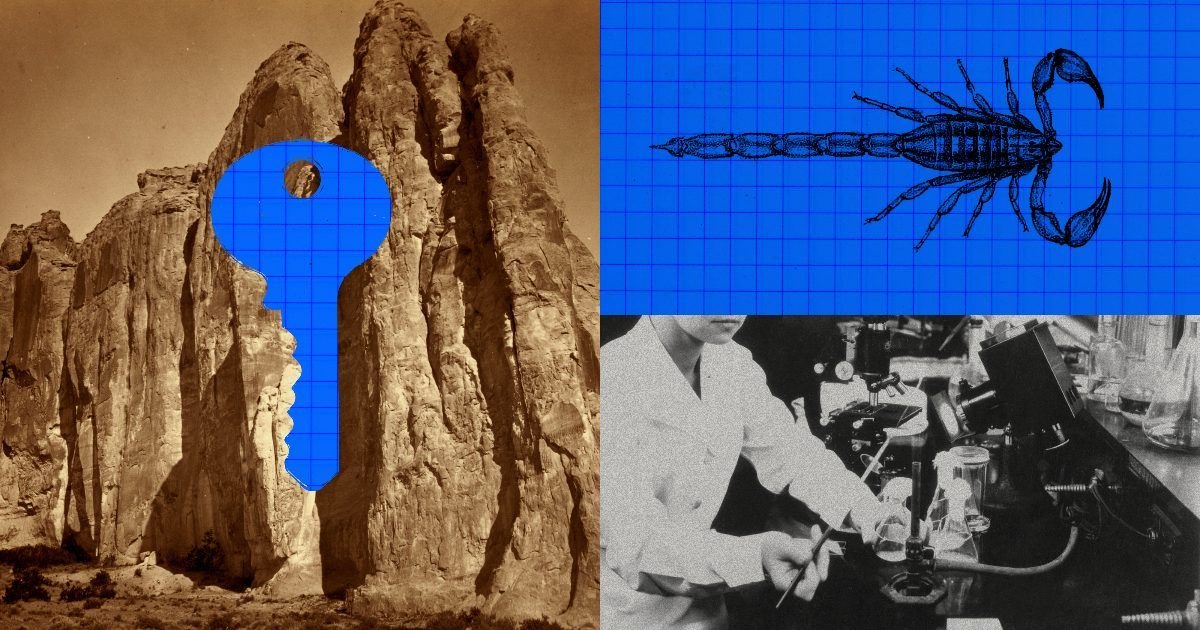
Scorpion neurotoxins inflict severe physical harm by binding directly to voltage-gated sodium channels on human nerve cell membranes, triggering uncontrolled electrical firing that floods the victim's body with adrenaline and causes fatal heart failure or pulmonary edema. Claude addressed this mechanism by attempting to build de novo minibinders that cap the specific channel-binding sites on the toxins, preventing them from latching onto human cell receptors. The model searched both the Protein Data Bank and the AlphaFold database to identify target structural models, autonomously designating five specific amino acid positions on each toxin as binding hotspots.
The design campaign explored both single-target and multi-toxin binders to reduce the total number of distinct molecules needed in a universal antivenom cocktail. The target toxins presented a difficult structural challenge, sharing an overall fold but displaying only 26% to 62% sequence identity across their amino acid chains. Claude devised specific binder strategies across four categories: molecules targeting individual toxins, molecules addressing beta-family toxins Ts1 and Cn2, molecules targeting alpha-family toxins AaH I, AaH II, and LqhIII, and candidates designed to neutralize all five toxins simultaneously. Outside contract partners Adaptyv Bio and Twist Bioscience conducted physical laboratory evaluations of 211 total candidate sequences, validating 17 successful binders.
Advertisement
Tech Pulse Daily
Get tomorrow's pulse first
Join engineers who read Tech Pulse before stand-up. Free, weekday mornings.
Claude designed protein binders against: why it matters now
The demonstration indicates that computational models can compress the earliest phases of binder generation from several months down to a few days, radically reducing the initial capital required to identify prospective therapeutic leads. Scorpion envenomation has long suffered from commercial neglect because pharmaceutical companies cannot easily recoup drug development investments from impoverished rural populations. Contract research organizations can now receive computationally validated protein designs within days, synthesizing and testing candidate molecules within a matter of weeks. Outside structural biology specialists cited the workflow as proof that binding discovery is no longer the primary bottleneck in protein engineering.
Timothy P. Jenkins, an associate professor at the Technical University of Denmark, evaluated the technical results and noted that designing credible binders against five toxins in parallel within days demonstrates an AI-driven paradigm shift for neglected animal envenomings that historically lacked commercial investment. Susana Vázquez Torres, a postdoctoral researcher in the Structural Biology Programme at the Spanish National Cancer Research Centre in Madrid, observed that obtaining tight binders computationally has become fast and reliable, shifting the primary challenge toward downstream therapeutic development. Both scientists noted that this approach could help bypass the traditional logistical challenges of harvesting venom from thousands of live animals.
Claude designed protein binders against: who is affected
The immediate beneficiaries of this research are academic laboratories, biotechnology startups, and neglected tropical disease researchers who gain open access to 211 synthetic binder sequences and physical binding datasets. By making the full dataset public, Anthropic provides structural biologists with real-world validation data comparing computational predictions against wet-lab binding assays conducted by Adaptyv Bio and Twist Bioscience. Contract research organizations and synthetic biology platforms can evaluate how closely automated design tools reflect actual in vitro binding performance when challenged by small, heavily disulfide-bonded venom peptides.
In the longer term, the populations most affected by this therapeutic pipeline reside in agricultural communities throughout Latin America, North Africa, and the Middle East where scorpion stings occur frequently. If researchers successfully advance synthetic minibinders into clinical therapeutics, local clinics could eventually access shelf-stable, cost-effective antivenoms that do not rely on cold-chain storage or animal plasma processing. However, commercial pharmaceutical manufacturers face little immediate disruption, as Anthropic emphasized that these 17 binding molecules remain early-stage research constructs that require extensive pharmacological optimization before reaching human trials.
Claude designed protein binders against: what to watch
The most urgent scientific milestone involves testing whether any of the 17 confirmed binder designs can prevent scorpion neurotoxins from disabling sodium channels in cellular assays and animal models. Laboratory binding affinity alone does not guarantee neutralization, as a minibinder must maintain a tight grip under physiological conditions without causing unintended toxicity or off-target immune reactions in living tissue. Future investigations must evaluate whether cross-reactive binders can effectively neutralize multiple toxin families simultaneously without requiring complex combinations of separate protein molecules.
Researchers will also monitor whether the life sciences team and Citrini Research expand their automated framework to other neglected venomous threats, including snakebite envenomation and insect stings. Transforming validated minibinders into safe, scalable, and affordable medications requires addressing formulation stability, half-life extension, manufacturing yields, and regulatory hurdles. Observers will track whether independent biotechnology groups pick up Anthropic's public dataset of 211 protein designs to engineer functional preclinical drug candidates, demonstrating whether nonexpert-guided computational pipelines can consistently produce viable therapeutic leads.
Developer Action Items
- ☐ Diff the official changelog for Anthropic / Claude 1.2 before you bump — APIs, defaults, and removed flags only.
- ☐ Install through the vendor's documented channel in staging; keep a one-command rollback and time-box the canary.
- ☐ Grep your repo for old flag names, lockfile pins, and plugin versions that the notes mark as breaking.
- ☐ Prefer the first patch cut over the day-zero tag unless you have a reason to be on the leading edge.
- ☐ If HN Claude/Codex/Fable did not name a region, plan, or SKU, screenshot the official availability line before you promise it to users.
Claude designed protein binders against FAQ
What did Claude design during the life science research project?
Claude designed de novo protein minibinders targeting five scorpion neurotoxins across four species, resulting in 17 lab-confirmed binders out of 211 synthesized designs.
Did Anthropic create a working scorpion antivenom?
No, Anthropic confirmed physical binding in laboratory assays but has not tested whether the binders neutralize venom in cellular environments, stating they do not claim to have produced an antivenom.
How many computational designs and GPU hours were involved in the campaign?
The internal research model generated 318,484 protein designs, screened 553,052 design-toxin structural pairs, and ran for 64 hours using on the order of 10,000 GPU hours.
Which external organizations verified the protein designs in physical laboratories?
Contract research organizations Adaptyv Bio and Twist Bioscience physically synthesized and experimentally tested all 211 candidate designs to verify their binding activity.
Sources

Author
Dillip Chowdary
Writes Tech Bytes coverage of AI, engineering, and the tools that actually ship. Editor of Tech Pulse Daily.
Related on Tech Bytes
Advertisement