Coinbase blocks $4.7 million in transfers to Elon Musk deepfake scam
Coinbase blocked $4.7 million in transfers after an AI-generated Elon Musk deepfake during a fake Tesla livestream lured hundreds into sending funds.
In short
Coinbase account holders · $4.7 million blocked across two hours · November 18, 2026 · Verify promotions through official websites
By Dillip Chowdary • Nov 19, 2026 • Source: BleepingComputer
At a glance
- Who it is for
- Coinbase account holders
- The number
- $4.7 million blocked across two hours
- Available
- November 18, 2026
- What to do
- Verify promotions through official websites
- Stream audience
- More than 500,000 viewers
- Attack duration
- Approximately two hours
Coinbase deployed an automated fraud-prevention system that intercepted and blocked $4.7 million in cryptocurrency transfers directed toward an Elon Musk deepfake scam, according to BleepingComputer's report.
This reporting is for cryptocurrency exchange users and platform operators monitoring automated defenses against high-profile impersonation schemes. Readers can evaluate how machine learning models spot authorized transfer fraud and establish verification routines to safeguard their digital assets.
01Fake livestream and deepfake video
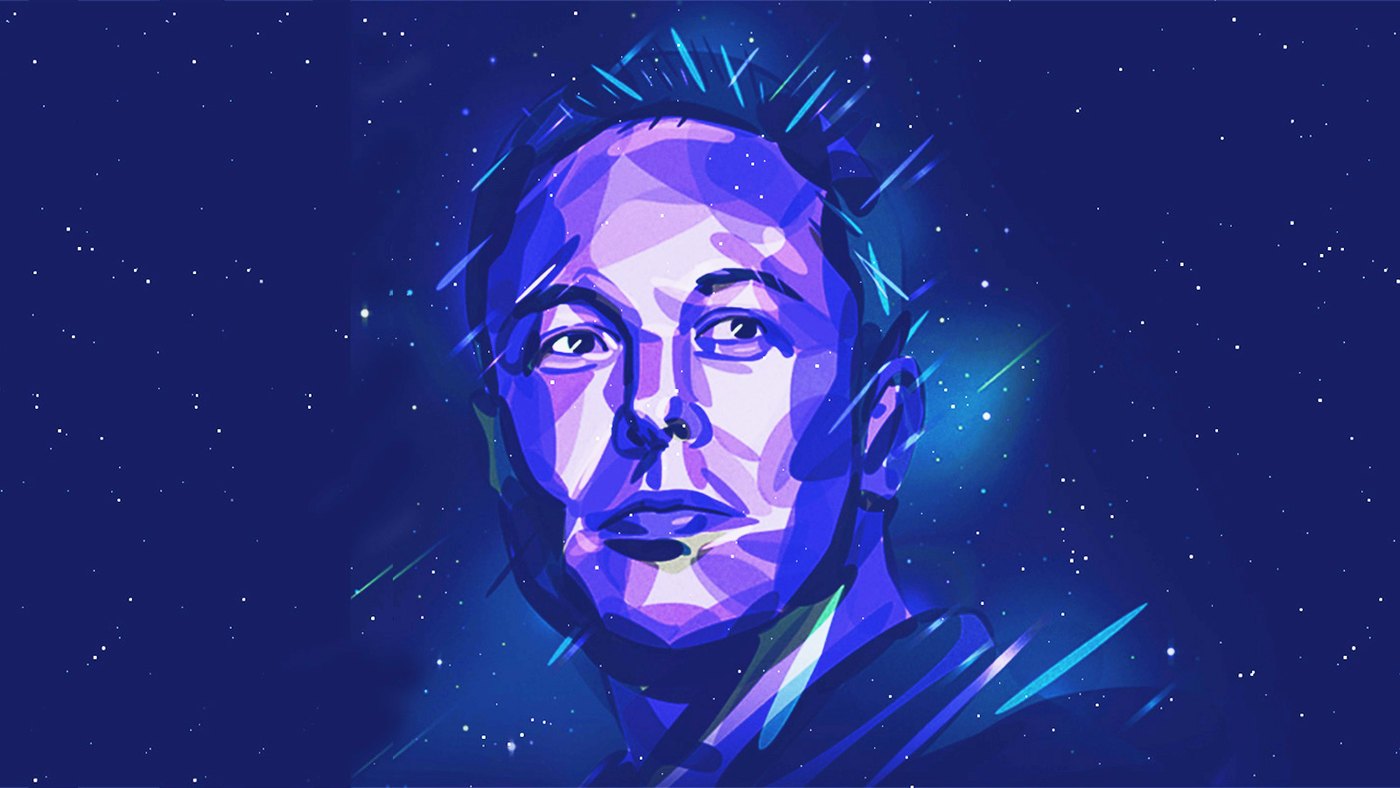
Fraudsters orchestrated a counterfeit YouTube broadcast that simulated Tesla's flying car demonstration to lure digital currency holders into a fraudulent giveaway. The transmission displayed an artificial intelligence deepfake video of Elon Musk alongside direct deposit addresses and visual payment codes. Viewers were told that any digital assets transferred to the designated wallets would be doubled immediately.
The coordinated broadcast reached a massive audience, attracting more than 500,000 viewers during the staged product unveiling. Attackers leveraged the spectacle of the technology announcement to build immediate excitement and establish false legitimacy for the promotion. The promise of doubled returns created intense urgency, prompting hundreds of participants to initiate outbound transactions across a two-hour window.
Giveaway promotions tied to live corporate presentations represent a persistent tactic across video-sharing networks. By synchronizing the deepfake footage with a genuine corporate demonstration, the perpetrators bypassed initial skepticism and convinced audience members that the executive was personally endorsing the reward. Many participants responded by opening their personal digital asset accounts to execute transfers without additional verification.
02Authorized transfers from customer accounts
The fraudulent broadcast triggered transfer attempts from hundreds of account holders, including experienced individuals who had maintained balances on the exchange for years. Over a concentrated span of two hours, these account owners attempted to dispatch millions of dollars in digital currency to the scam infrastructure. The participants acted voluntarily, believing they were seizing a genuine corporate matching opportunity.
Detecting this activity posed severe technical challenges because the transfers bypassed conventional fraud alerts designed to flag stolen credentials or unauthorized sessions. The legitimate account holders completed standard authentication, navigated to withdrawal interfaces, and personally confirmed the irreversible transactions. The platform noted that standard protections assume an unauthorized intruder, whereas these users operated their own profiles with full intent.
Internal fraud defenses had to distinguish between regular user payments and voluntary transfers made under fraudulent influence. Because the account owners willingly approved the transactions, standard account protection checkpoints registered no anomalies in credential usage or login geography. Overcoming that blind spot required automated mechanisms capable of assessing destination patterns rather than user authorization flags alone.
03Real time analysis and conversational defense
Advertisement
Tech Pulse Daily
Get tomorrow's pulse first
Join engineers who read Tech Pulse before stand-up. Free, weekday mornings.
The exchange deployed machine learning systems designed to inspect outgoing payment parameters in real time as transfers were initiated. The underlying models evaluate withdrawal details to detect telltale indicators of giveaway operations, corporate impersonation tactics, and freshly registered wallet addresses. By analyzing transaction metadata rather than login integrity, the architecture flags transfers that match recognized criminal infrastructure.
Upon flagging an anomalous withdrawal, the platform activates an automated artificial intelligence agent directly within the user workflow. This conversational agent initiates an interactive discussion with the customer to highlight specific risk indicators associated with the pending transfer. The agent poses targeted questions designed to disrupt the psychological pressure of the live broadcast and help users recognize the deception.
The automated security architecture scores the confidence of every agent response before presenting guidance to the transacting customer. These calculated confidence ratings enable the defense platform to determine whether advisory prompts suffice or if stricter transaction safeguards must be engaged. Through this mechanism, the system succeeded in halting approximately 91% of attempted transfers, protecting $4.7 million.
04Autonomous detection of novel attacks
The defensive artificial intelligence agent had never encountered this specific deepfake campaign or its exact presentation parameters prior to the event. Company representatives revealed that deepfake giveaway schemes synchronized with live industrial demonstrations were entirely absent from the system's previous training data. Despite that limitation, the autonomous models synthesized known threat behaviors to identify the underlying fraudulent mechanics.
The defensive software recognized systemic anomalies, including promises to multiply cryptocurrency balances, artificial time pressure tied to broadcast events, and one-way asset transfers. Operating continuously without human intervention, the system maintained an automated evaluation loop across the entire duration of the streaming incident. The rapid mitigation demonstrated how structural pattern recognition can blunt novel social engineering campaigns without manual engineering.
Note: Coinbase confirmed that the entire detection and conversational intervention sequence operated automatically without human intervention. The underlying models recognized systemic indicators of fraud despite having no prior training on deepfake giveaways tied to product launches, although the exchange has not disclosed the volume of transactions that slipped past the automated safeguards.
05Historical scam volume and verification
Elon Musk and his enterprise ventures have served as frequent lures for cryptocurrency fraud rings across digital communication platforms. Attackers have routinely compromised verified Twitter accounts, distributed deceptive electronic mail invitations, and flooded social networks like TikTok with fraudulent promotions. Prior operations using hijacked verified social profiles previously extracted more than $580,000 in digital assets in a single week.
The operational scope of the deepfake livestream highlights the financial scale of modern automated deception relative to prior social account takeovers. A comparative evaluation of documented campaigns illustrates the differences in speed, audience reach, and capital volume between legacy hijacked profiles and live synthetic media broadcasts.
| Metric | Deepfake Livestream Campaign | Prior Hijacked Account Campaign |
|---|---|---|
| Capital blocked | $4.7 million | Not reported |
| Capital stolen | Undisclosed | Over $580,000 |
| Attack window | Two hours | One week |
| Interception rate | 91 percent blocked | Not reported |
| Target audience | 500,000 livestream viewers | Verified Twitter followers |
Digital asset owners must exercise independent verification by checking corporate websites and certified communication channels instead of relying on video broadcasts or displayed scanning codes. The platform has not yet disclosed how many individual transactions reached the attackers or the precise sum of capital lost. Security analysts emphasize that legitimate technology announcements never require participants to transmit funds to earn matching rewards.
Frequently asked questions
How much cryptocurrency did Coinbase block during the deepfake livestream scam?
Coinbase blocked approximately $4.7 million in digital currency transfers, stopping about 91% of attempted customer transactions over a two-hour window.
Why was the Elon Musk deepfake scam difficult for standard security systems to detect?
The scam involved legitimate account holders who logged in and authorized transfers voluntarily after watching a fake Tesla flying car livestream, bypassing traditional stolen-credential alerts.
How did Coinbase's AI system intervene to stop the fraudulent transfers?
An automated AI agent analyzed outgoing transaction metadata in real time, engaged customers in conversation to explain the scam characteristics, and applied confidence scoring to prevent the transfers without human intervention.
How can cryptocurrency users avoid falling victim to livestream giveaway scams?
Users should independently verify promotional offers through official corporate websites and verified announcements rather than trusting QR codes or deposit addresses shown in video streams.
Sources

Author
Dillip Chowdary
Writes Tech Bytes coverage of AI, engineering, and the tools that actually ship. Editor of Tech Pulse Daily.
Related on Tech Bytes
Advertisement