Deep-Dive: Engineering TerraPower Natrium Liquid Sodium and Molten-Salt Energy Storage for AI Supercomputers
A deep technical analysis of liquid sodium heat transfer, molten-salt energy buffer dynamics, and grid load-balancing mechanisms for AI compute clusters.
By Dillip Chowdary • Aug 20, 2026 • Source: TechCrunch
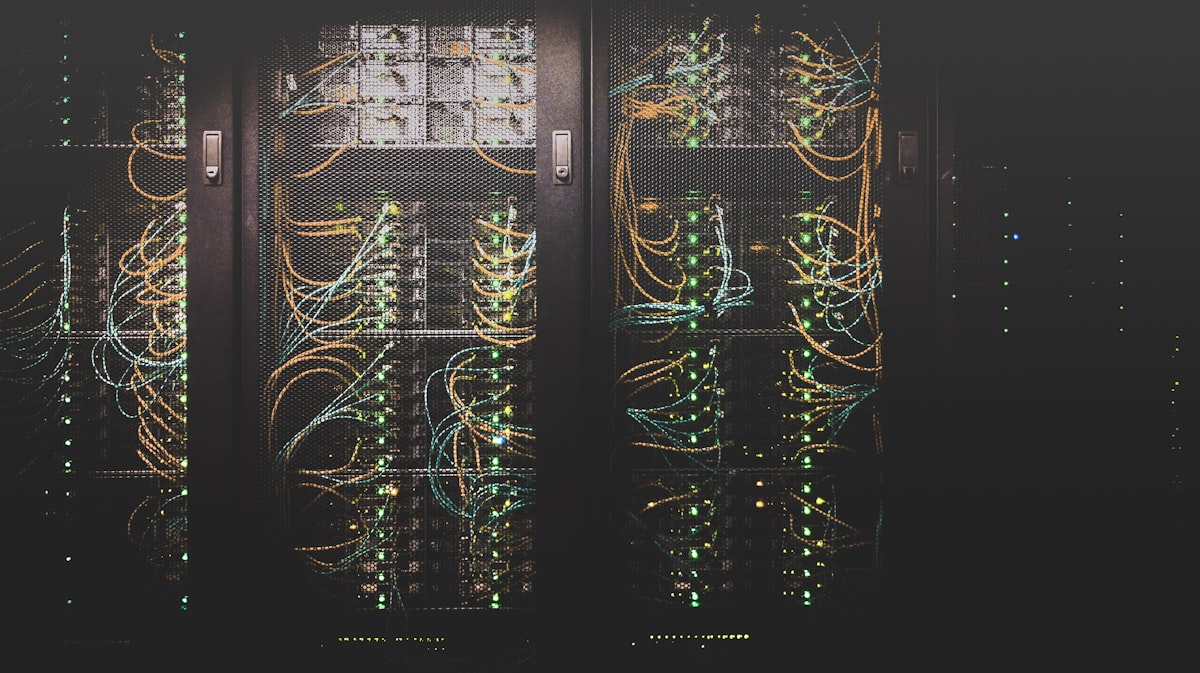
Powering modern AI clusters containing hundreds of thousands of high-power accelerators requires energy systems that can absorb sudden load spikes without tripping grid protections. TerraPower Natrium design decouples nuclear heat generation from electrical turbine generation using a secondary molten-salt thermal loop.
The primary sodium loop transfers heat from the reactor core at 500°C to a nitrate salt storage tank. When AI workloads surge, stored thermal energy is routed to steam generators on demand, providing instant ramp-up capability without adjusting core control rods.
Tech Pulse Daily Newsletter
Get tomorrow's tech pulse briefing first
Join engineers and tech leaders who read Tech Pulse before stand-up. Delivered free every weekday morning.
Strategic Impact & Key Takeaways
This dual-stage heat exchanger topology delivers unparalleled grid flexibility while providing passive safety features that can withstand complete power loss without operator intervention.
As technology ecosystem changes accelerate across hardware, software, and regulatory fronts, keeping track of authoritative changes is paramount for modern engineering leadership. Bookmark Tech Bytes for continuous real-time analysis.