Elvis and Eminem rights holders are suing Suno
Elvis Presley rights holders and Eminem's music publisher filed lawsuits against Suno, alleging illegal voice cloning under Tennessee's ELVIS Act.
By Dillip Chowdary • Nov 08, 2026 • Source: The Verge
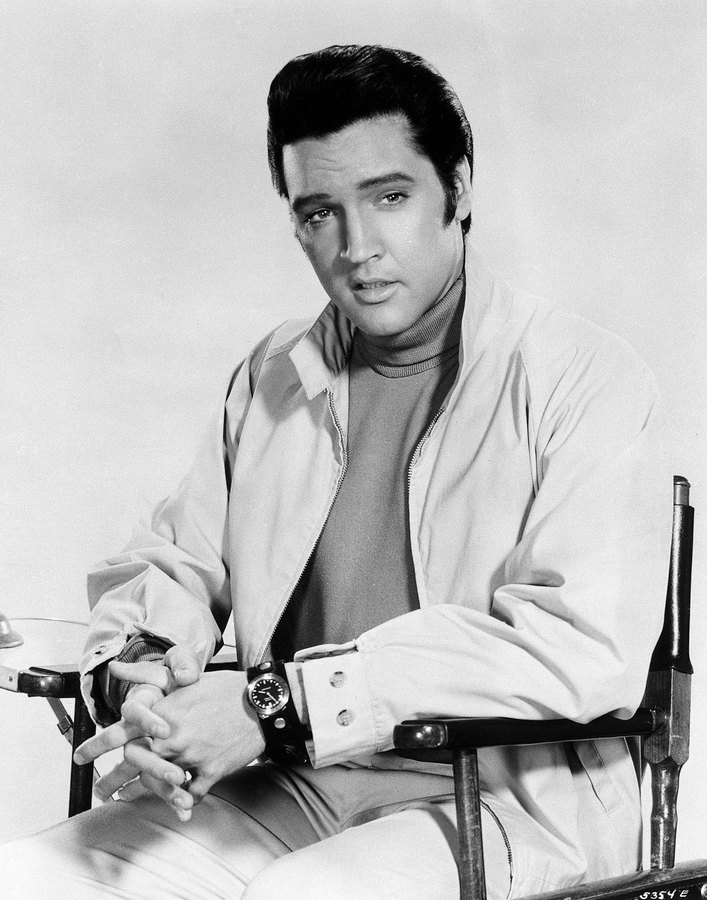
Rights holders representing Elvis Presley’s music catalog alongside the publisher of major records by Eminem filed two new lawsuits against artificial intelligence music generator Suno, alleging that the platform unlawfully creates sound recordings and lyrical content designed to mimic both artists. According to details shared in The Verge's report, the Presley estate's legal counsel specifically accused the platform of breaching Tennessee state legislation enacted to protect performer voice and image rights from non-consensual artificial intelligence generation.
This reporting provides a complete breakdown of the legal claims, state statutory protections, company guardrails, and industry background for music industry professionals, legal analysts, and technology developers. The analysis tracks the exact legal theories deployed across both filings, the defense arguments raised by the generative platform, and the expanding litigation surrounding voice cloning across the music production market.
Elvis and Eminem rights holders are suing Suno: what actually changed
Two separate legal complaints entered court against Suno from prominent catalog owners representing Elvis Presley and the publisher handling significant portions of Eminem’s recorded catalog. Rather than confining the dispute strictly to traditional federal copyright infringement theories, the legal team representing Presley’s rights holders brought charges under Tennessee’s Ensuring Likeness Voice and Image Security Act, commonly designated as the ELVIS Act. The statute explicitly establishes legal liability for artificial intelligence companies that generate unauthorized simulations of an individual singer's vocal characteristics without proper authorization.
In their formal filing, attorneys representing Presley’s catalog argued that Suno mechanically encoded itself with the identities, hard work, creativity, and time of established recording artists, deploying those assets to power what the plaintiffs described as a continuous conveyor belt generating commercial revenue. The legal structure of these new actions closely tracks an earlier lawsuit initiated in September by musician Jason Isbell along with several co-plaintiffs, which similarly focused on likeness simulation and vocal imitation rather than relying solely on conventional statutory copyright infringement claims.
Elvis and Eminem rights holders are suing Suno: how it works
The core mechanism challenged in the lawsuits centers on generative artificial intelligence models capable of synthesizing fully rendered musical tracks, vocal performances, and associated lyrics based on text inputs. Plaintiffs assert that the underlying training architecture absorbed the acoustic nuances, timbre, style, and cadences of both Presley and Eminem, enabling end users to generate synthetic tracks that sound indistinguishable from authentic studio releases. In the complaint text, attorneys described the resulting commercial process as a mechanism that coldly replicates without a license in mere seconds what human performers take decades to develop, maintain, and master.
In response to the filings, Suno spokesperson Cat McCormack stated that the service is built to assist users in creating original compositions rather than trading on the established name, identity, or likeness of existing recording stars. McCormack emphasized that Suno maintains operational safeguards against imitation, specifically prohibiting user prompts that specify actual artist names or existing song titles. Additionally, the company contracts with external third-party inspection providers to filter and monitor uploaded vocal tracks, lyrical text, and raw audio files for potential policy violations, while promising to deploy updated protections as litigation advances.
Advertisement
Tech Pulse Daily
Get tomorrow's pulse first
Join engineers who read Tech Pulse before stand-up. Free, weekday mornings.
Elvis and Eminem rights holders are suing Suno: why it matters
The invocation of Tennessee's ELVIS Act introduces state-level statutory voice protection directly into the broader federal disputes governing generative artificial intelligence. The statute was drafted specifically to prevent commercial artificial intelligence platforms from appropriating vocal identity, giving rightsholders an enforceable legal weapon that bypasses traditional fair-use defenses often raised under classic federal copyright law. By testing this statute against an operational consumer synthesis platform, the litigation establishes whether state publicity protections can effectively curtail foundation model outputs.
Furthermore, the participation of both historical legacy catalogs and contemporary commercial publishers demonstrates a coordinated offensive across generations of recorded music. Catalog valuation relies on the exclusive licensing of distinctive vocal identities, master recordings, and songwriting rights. If synthetic audio generators can mimic iconic voices and lyrical styles through algorithmic training without paying upfront catalog licensing fees, the long-term enterprise value of music publishing assets and recorded music catalogs faces substantial market erosion.
Elvis and Eminem rights holders are suing Suno: who is affected
The legal action directly touches Suno’s executive leadership, core engineering teams, and subscription user base, who now face heightened filtering restrictions on prompt inputs and audio generation. The outcome also impacts enterprise music rights management firms and publishing houses controlling legacy estates, as successful enforcement under state likeness laws would establish a replicable playbook for catalog owners nationwide. Individual recording artists whose vocal characteristics, vocal delivery patterns, and stylistic arrangements are frequently simulated by public generative platforms stand as central stakeholders in the proceedings.
Third-party service providers partnering with generative music services to monitor uploaded files and audio inputs are likewise affected, as the litigation scrutinizes the operational efficacy of their content moderation screens. Concurrently, consumers, digital producers, and content creators utilizing Suno for background music or vocal generation face potential disruptions if specific vocal timbres, musical models, or audio styles are restricted or removed from the platform to comply with state publicity statutes.
Elvis and Eminem rights holders are suing Suno: what to watch
Industry attention now shifts to the courtroom response from Suno's legal counsel, specifically regarding whether federal copyright doctrine preempts state-level protections like Tennessee’s ELVIS Act in commercial machine learning contexts. Observers will also track whether Suno deploys additional technical filters across its prompt parsing pipeline and audio ingestion systems, expanding beyond artist name blocklists to encompass acoustic similarity filters. Any evidentiary disclosures detailing how training corpuses were assembled and whether third-party monitoring vendors successfully flagged synthetic vocals will form crucial benchmarks.
These latest filings compound a heavy docket of unresolved intellectual property litigation confronting Suno. The company is actively defending against ongoing lawsuits brought by major recorded music institutions including Sony Music Entertainment, Universal Music Group, and music publisher Reservoir Media, alongside the September action spearheaded by Jason Isbell. The cumulative pressure from these simultaneous lawsuits will dictate whether commercial AI music platforms can maintain current development architectures or must negotiate sweeping collective licensing pacts with global publishers.
Developer Action Items
- ☐ Map where Elvis Eminem rights holders sits in your stack (SDK, API key, billing, data-processing addendum).
- ☐ Hold non-urgent migrations until the integration or use-of-proceeds roadmap is public — day-one coverage is not a ship signal.
- ☐ If you are mid-contract or mid-POC, ask the vendor what changes for existing customers this quarter.
- ☐ Write the single decision this forces: stay, dual-source, or exit.
Elvis and Eminem rights holders are suing Suno FAQ
What specific law are the Elvis Presley rights holders suing Suno under?
The estate's legal counsel filed suit under Tennessee’s Ensuring Likeness Voice and Image Security Act, also known as the ELVIS Act, which prohibits artificial intelligence companies from cloning a singer’s voice without authorization.
How does Suno prevent users from copying famous artists?
Suno spokesperson Cat McCormack stated that the platform forbids prompts containing specific artist names and song titles while using third-party screening services to inspect uploaded lyrics and audio files.
What other music companies and artists are currently suing Suno?
Suno is currently defending against lawsuits filed by Sony Music Entertainment, Universal Music Group, Reservoir Media, and a September imitation suit brought by artist Jason Isbell.
Sources

Author
Dillip Chowdary
Writes Tech Bytes coverage of AI, engineering, and the tools that actually ship. Editor of Tech Pulse Daily.
Related on Tech Bytes
Advertisement