Everything Claude Saw: A Transparent Account of the Chardet v7 Rewrite
Points: 1 # Comments: 0 Everything Claude Saw: A Transparent Account of the Chardet v7 Rewrite Coverage based on HN Claude/Codex/Fable reporting.
By Dillip Chowdary • Aug 29, 2026 • Source: HN Claude/Codex/Fable
What happened
A blog post titled Everything Claude Saw: A Transparent Account of the Chardet v7 Rewrite has been published online at http://dan-blanchard.github.io/blog/chardet-rewrite-controversy/ from the source HN Claude/Codex/Fable with 1 point and 0 comments at https://news.ycombinator.com/item?id=49484701.
This article covers the details of the character encoding library rewrite, explaining the operational mechanics, user base consequences, and verification steps. It is written for software builders who rely on encoding detection components.
The blog post published by Dan Blanchard describes the recent rewrite of the chardet character encoding detection library. This release documents the observations and process associated with updating the codebase to version seven, presenting details on how the updated library functions. The announcement was shared on Hacker News, though the submission did not receive any immediate comments or feedback from the developer community. Builders are analyzing the changes to understand how this update affects their python application environments and structures.
How it works
Developers observed the release of the updated library and began evaluating the implications for their systems. The document provides transparency regarding the rewrite process, detailing how the new version handles character encoding and listing the modifications made. Although the initial online discussion was quiet, the underlying codebase changes are important for software integrators. The author focuses on explaining the transition steps, helping teams determine if the character detection library is ready for integration into their current production software environments now.
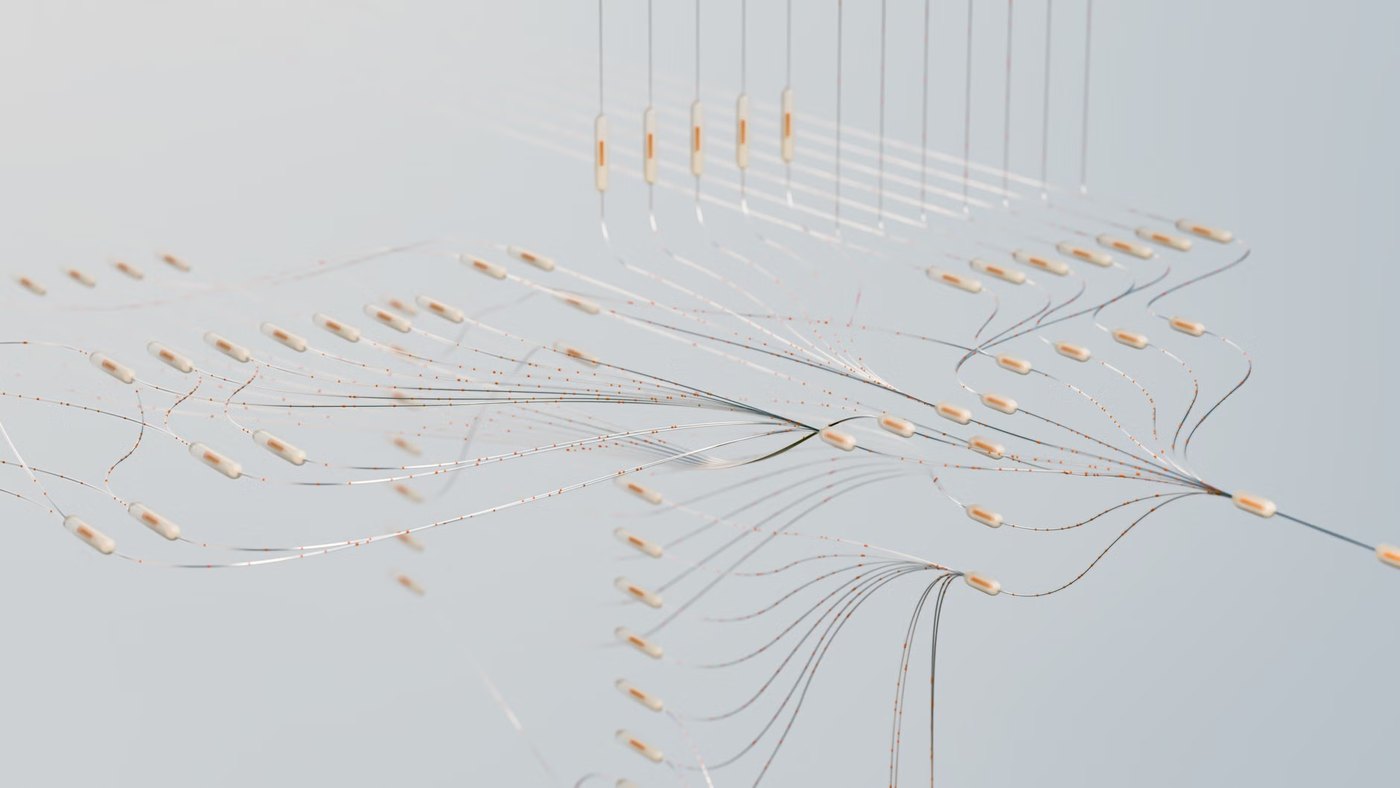
Character encoding detection libraries function by scanning raw byte sequences to identify the most likely encoding standard. They utilize statistical algorithms and frequency analysis of specific byte patterns to determine the encoding format. The library evaluates the input text, assigns confidence scores to different encoding candidates, and returns the result with the highest probability. This process allows applications to read text from various sources automatically without requiring manual configuration, facilitating data exchange across different software platforms and international computer systems.
Why it matters
Advertisement
Tech Pulse Daily
Get tomorrow's pulse first
Join engineers who read Tech Pulse before stand-up. Free, weekday mornings.
The rewritten library modifies the internal detection logic to enhance code execution and maintainability. Technical teams restructured the core processing modules, refactoring old components to improve the analysis of input data. By updating the pattern recognition files and statistical tables, the library can achieve more consistent results when parsing text streams. Developers can add this version to their dependency files, substituting the older implementation to utilize the refined character detection logic and updated code structure within their software applications today.
Highly reliable character encoding detection is critical for maintaining data integrity in systems that ingest external text. Incorrect encoding classification results in garbled text, database validation failures, and downstream processing errors. By sharing a transparent account of the library rewrite, the author helps developers understand the reliability of the updated software component. Knowing these specific internal changes is essential for maintaining stable pipelines, ensuring that character translation remains consistent across different operating systems, database servers, and regional software client configurations.
Major software library rewrites can introduce subtle differences in detection behavior that impact legacy software systems. A tiny variation in confidence scoring might alter the chosen encoding for specific data inputs, potentially leading to data errors. Therefore, analyzing the rewrite details allows engineers to anticipate potential issues before deploying the library update. Transparent development updates build trust in the software ecosystem, encouraging builders to test, verify, and confirm that the updated component works correctly with their existing software tools now.
Who is affected
Software engineers who manage data processing pipelines are directly impacted by updates to character detection tools. Any application that ingests foreign data or processes text from multiple sources relies on these libraries to read input bytes correctly. Technical teams must evaluate the updated library to make sure it integrates cleanly with their software applications. Database administrators who handle diverse datasets must also track these changes to prevent text encoding issues when importing or exporting data across external production databases now.
Technical teams responsible for microservices and common API gateways must verify that encoding detection changes do not break existing communication channels. If the library classifies input differently, downstream services might fail to parse payloads, leading to critical system failures. Furthermore, many developers using automated dependency tools may receive the updated version automatically, making it necessary to understand the changes beforehand. Builders should establish thorough testing procedures to validate the updated library against their specific data profiles and system configurations today.
What to watch next
Technical teams should monitor the library repository for all version seven updates and active community discussions about the rewrite. As more software builders adopt this version, additional compatibility reports and edge cases will be documented online. Testing the library in a staging environment using representative data samples is an important step to confirm correct behavior. Observing production system performance and logging any encoding errors during the migration phase will help teams identify any unexpected shifts in character detection outcomes immediately.
Library maintainers might release subsequent updates to address early feedback and resolve any bug reports from users. Software builders should watch online discussions on community platforms to stay informed about migration strategies and helper tools. Checking and verifying how the updated software library interacts with external dependency libraries will prevent conflicts during deployment. Maintaining thorough test coverage and using automated validation scripts will help ensure that applications remain stable as the updated library is adopted in production software systems today.
Developer Action Items
- ☐ Verify the claim on the official Claude / GitHub / Codex page (or HN Claude/Codex/Fable), not from this recap alone.
- ☐ Name the surface that moved — API, policy, model, hardware, or commercial terms — before you Slack the thread.
- ☐ Assign one owner a day to read the primary material and decide: this-sprint, this-quarter, or noise.
- ☐ Do not change production on day-one coverage. Watch the vendor changelog and one independent write-up first.
Advertisement