Google DeepMind Staff Tap the UK Government to Escalate Their Unionization
Google DeepMind employees filed with the UK Central Arbitration Committee to trigger a binding union ballot covering roughly 1,000 product workers.
By Dillip Chowdary • Nov 14, 2026 • Source: Wired
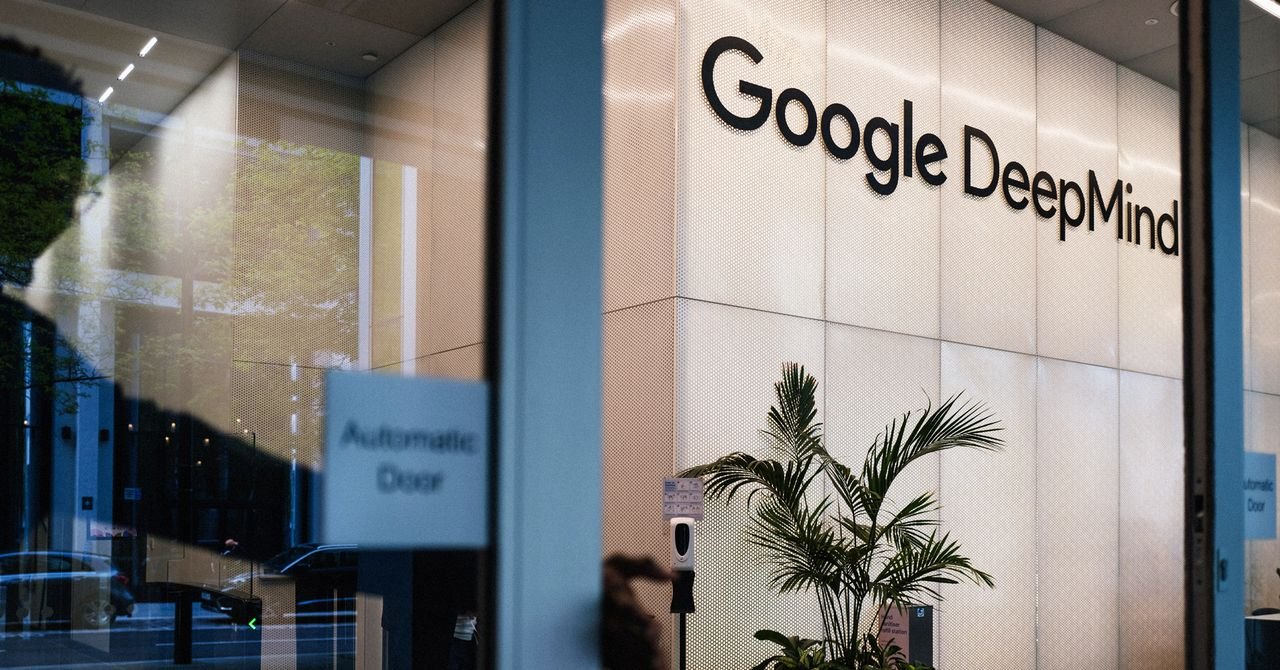
United Kingdom employees at Google DeepMind have lodged a formal petition with government labor regulators to mandate a unionization vote across the lab. As reported in Wired's report, staff partnered with two prominent trade unions after talks with management failed to produce voluntary recognition. The regulatory filing marks a sharp shift toward legally binding workplace representation.
This report details the statutory arbitration filing, the military agreements sparking employee dissent, and the product roles qualifying for representation. It outlines the legal process, corporate statements, and industry-wide implications for technical workers and labor organizers. Readers will find every confirmed figure, named spokesperson, and stated organizing objective below.
01Formal arbitration filing after stalled talks
Staff members escalated their campaign by submitting an application to the Central Arbitration Committee, the government body that resolves employer-union disputes. The Communication Workers Union and Unite the Union filed jointly as the designated representatives of DeepMind employees. The application asks the arbitral body to confirm sufficient worker support to trigger a formal unionization ballot.
The escalation followed a series of meetings between workers, union officials, and company representatives regarding voluntary union recognition. Staff reported that DeepMind executives refused direct bargaining and delegated talks to human resources personnel instead. John Chadfield, national officer for technology at the CWU, stated that management treated the issue as an administrative box-ticking exercise while ignoring employee concerns.
Google DeepMind disputed the unions' claims and defended its conduct throughout the voluntary discussions. Lab spokesperson Tom Hewett stated that the company respects employee rights to make an informed union decision and has listened consistently to both sides. Hewett added that the company acted in good faith from the outset and remains committed to participating constructively in the process.
02Statutory ballot process and legal obligations
Under British employment law, the Central Arbitration Committee verifies that union applications satisfy support thresholds before authorizing an official vote. The independent panel reviews workplace documentation to determine whether joint unions represent an appropriate collective bargaining unit. If the committee approves the application, the company is legally required to accept the final ballot outcome.
The application submitted by CWU and Unite seeks confirmation that employee support is broad enough to initiate a binding workplace election. If the CAC validates the petition, staff will participate in a formal ballot to decide on collective representation. A winning vote obligates company executives to engage in mandatory collective bargaining over core employment terms.
Organizers issued an email to all United Kingdom staff on Thursday urging colleagues to vote in the upcoming election. Union representatives expect the government-supervised ballot to occur within the coming months following administrative review. In their message, staff stated that they want collective bargaining and direct influence over how artificial intelligence is developed and deployed.
Advertisement
Tech Pulse Daily
Get tomorrow's pulse first
Join engineers who read Tech Pulse before stand-up. Free, weekday mornings.
03Military contracts and retracted ethics redlines
The drive to organize gathered momentum in February 2025 after parent company Alphabet revised its official corporate ethics guidelines. Alphabet removed a specific pledge that had barred the development of artificial intelligence for weapons systems. An anonymous DeepMind worker noted that early employees joined the lab specifically because of strict ethical red lines intended to benefit humanity.
Staff members organizing the union specifically oppose commercial contracts between the technology company and defense agencies, including the United States and Israeli militaries. If the unionization effort succeeds, organizers plan to demand that Google terminate those military agreements. A second anonymous DeepMind employee expressed deep concern regarding the operational direction and lethal application of AI technology.
Google previously defended its defense contracts and military partnerships. In April, company spokeswoman Jenn Crider stated to The New York Times that the firm provides AI services and infrastructure to support national security alongside industry consortia. Crider affirmed that Google remains committed to preventing domestic mass surveillance and autonomous weaponry without human oversight.
04Product division headcount and bargaining unit
The arbitration petition focuses on personnel assigned to product-oriented positions within Google DeepMind in the United Kingdom. If the CAC approves the petition, approximately 1,000 staff members in product-focused roles will qualify for union membership. The proposed bargaining unit excludes non-product personnel, consolidating product delivery, design, and deployment teams under joint union representation.
The targeted bargaining unit represents one of the largest single organizing drives inside an advanced commercial artificial intelligence laboratory. By defining the unit around product roles, CWU and Unite aimed to establish a cohesive group that satisfies statutory arbitration criteria. This scope gives product workers direct legal standing during future operational consultations with company executives.
The 1,000 product employees form the core division translating DeepMind research models into commercial software and partner integrations. Organizers stressed that union representation ensures these technical teams have a protected voice during corporate restructuring and ethical policy reviews. Formal recognition would establish legal representation for product staff facing shifting Alphabet business priorities.
05Upcoming workplace ballot and lab precedent
Staff organizers are building workplace participation ahead of the CAC-supervised election scheduled for the coming months. An anonymous DeepMind employee noted that the dominant AI industry operates with immense economic power while facing few regulatory or worker checks. Organizing staff intend to demonstrate how employees can collectively establish and enforce a shared ethical framework for commercial technology.
The union coalition hopes to create a replicable model for peers at other frontier artificial intelligence labs across the United Kingdom. Organizers pointed out that workers at labs such as OpenAI and Anthropic face similar challenges regarding model governance and military collaboration. A successful union victory at DeepMind would establish an organizing precedent for the entire UK technology sector.
The outcome of the CAC review and workplace ballot will test employee leverage within the artificial intelligence ecosystem. While DeepMind maintains that it has communicated openly with staff, organizers are focused on securing maximum turnout for the ballot. The vote will determine whether lab management retains unilateral deployment authority or negotiates operational practices with unionized staff.
Google DeepMind Staff Tap the UK Government FAQ
Why are Google DeepMind employees seeking government intervention?
Staff applied to the Central Arbitration Committee to trigger a legally binding unionization ballot after voluntary talks with management stalled.
Which unions represent the Google DeepMind workers?
The Communication Workers Union and Unite the Union submitted the application jointly to act as bargaining representatives for the lab workforce.
How many Google DeepMind employees qualify for the proposed union?
Approximately 1,000 staff members working in product-focused roles across the United Kingdom qualify for union membership under the petition.
What prompted the Google DeepMind unionization campaign?
The campaign began in February 2025 after parent company Alphabet removed ethics rules prohibiting AI weapons development, alongside staff objections to US and Israeli military contracts.
Sources

Author
Dillip Chowdary
Writes Tech Bytes coverage of AI, engineering, and the tools that actually ship. Editor of Tech Pulse Daily.
Related on Tech Bytes
Advertisement