How OpenAI turned its coding tools into dots, an always-on personal
OpenAI released dots at its late-September developer day, an always-on ChatGPT assistant for the Pro tier or higher, on plans starting at $100 a month.
By Dillip Chowdary • Oct 27, 2026 • Source: TechCrunch
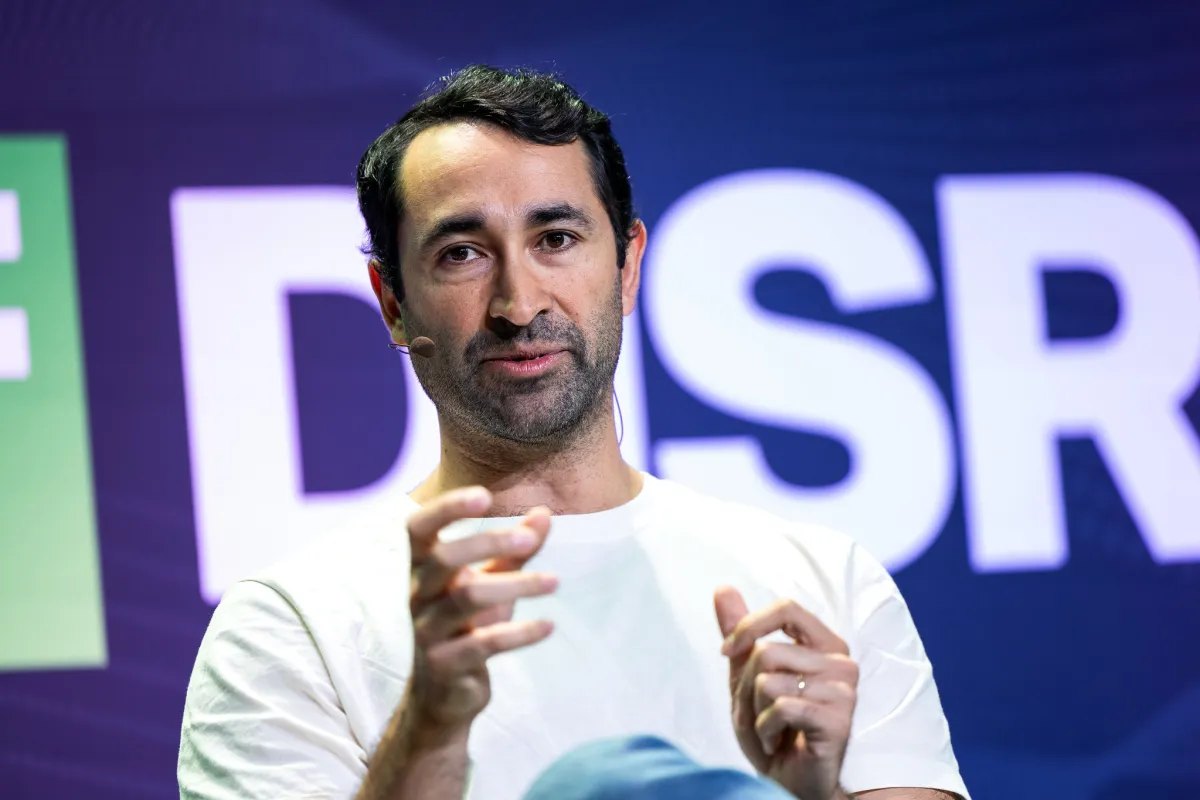
OpenAI released dots, an always-on personal assistant, at its developer day in late September. It is available to subscribers on the Pro tier or higher in the ChatGPT desktop and mobile apps, with plans starting at $100 a month. Alexander Embiricos, who leads OpenAI’s enterprise product team, explained where dots came from at TechCrunch Disrupt in TechCrunch's report.
Pro subscribers and Codex users deciding whether an agent should see email, files, and a calendar will find the specifics here, from ChatGPT Work and the Codex app to proactive research, privacy controls, permission defaults, and the payment-processor talks Embiricos described.
OpenAI turned its coding tools into dots: what actually changed
An always-on assistant that keeps working when you are not asking it to is this year’s answer to how people will use deep learning models. The startup Instinct became an overnight sensation, and Meta put the full force of its marketing behind its assistant, Muse. At TechCrunch Disrupt, Embiricos took up why so many companies turn to cutesy mascots as avatars for trillion-parameter matrix multiplication machines. “There’s kind of this convergent evolution happening,” he said of the efforts to build AI assistants.
Much of what dots does was already possible in OpenAI’s Codex app, released at the beginning of this year. Codex requires more work and more hand-holding. Embiricos recalled celebrating when his wife started leaving her computer on all night so her agents could keep working. OpenAI spun ChatGPT Work out of agentic coding tools built for software engineers. The name plays on the negative space inside OpenAI’s logo and is meant “to feel like just something that could eventually be ubiquitous.” Asked when he learned that rival Elon Musk owns the dot.com URL, he said, “I found out very late.”
OpenAI turned its coding tools into dots: how it works
A persistent agent does not need prompting. For OpenAI, that means more token usage. Embiricos described an assistant “that’s sort of thinking about you and thinking how to help you.” In TechCrunch’s testing, that ability was apparent and often useful, but it isn’t quite there yet. Dots flags calendar conflicts and upcoming deadlines, but not necessarily in the most timely fashion. Early in development, his dot warned him three minutes before a conflict: “Hey, this thing is coming up. You might want to do something about it.” The proactive approach is key to the product.
Embiricos said he heard an engineer at a drone delivery startup put it this way: “We had this outage, and by the time I noticed that the outage was going on, my dot had already noticed the outage was happening, had already analyzed the outage, and had come to me with useful information for how we could resolve the outage.” That habit is proactive research. On a cadence, dots reviews what it knows about you, the conversation so far, and the access you gave it, then researches how to help and proposes that.
Advertisement
Tech Pulse Daily
Get tomorrow's pulse first
Join engineers who read Tech Pulse before stand-up. Free, weekday mornings.
OpenAI turned its coding tools into dots: why it matters now
“How do we make this intuitive and useful to people?” Embiricos said that is the question he asks on the product team. “A lot of that isn’t building some new piece of tech into the product; it’s how you frame it to the user and how it feels.” He said, “As we were working on the product, we realized if we could frame this as, it’s an entity and it’s a single conversation, not many different conversations….it starts to become intuitive.”
Agents are fun when only a few people have them, and stories of agents snagging hard-to-get reservations abound. Businesses do not necessarily like dealing with agents and might not be equipped to. People do not like dealing with them either, and Embiricos is among them. He has a human assistant because OpenAI’s corporate partners want to interact with a person. “I personally never intend to have a meeting with someone else’s agent,” he said. Left open is whether agents can scale without overwhelming businesses, websites, and payment networks.
OpenAI turned its coding tools into dots: who is affected
ChatGPT subscribers on the Pro tier or higher can turn dots on. Plans start at $100 a month, and the assistant is in the ChatGPT desktop and mobile apps. Codex users can reach much of the same functionality with more work and more hand-holding, Embiricos said at Disrupt. His example is a drone-delivery engineer whose dot analyzed an outage before that engineer noticed it. Connections to a calendar, email, a computer, and other tools feed those alerts and proactive research.
Muse has been criticized for profiles of family and friends used to judge what kind of restaurant you might want with a specific person, which could add value to Meta’s advertising business. Hark, a startup developing its own AI personal assistant, says it does not collect data to fuel an advertising business the way OpenAI and Meta do. OpenAI says dots has the same privacy controls as ChatGPT. Users can turn off model training, which stops OpenAI from using their conversations to improve its AI, and can control what the agent accesses on the computer and how. The controls are not granular. The app can be pushy and refuses read-only access to cloud drives.
OpenAI turned its coding tools into dots: what to watch
Embiricos said OpenAI needs to “build out super, super, super granular controls,” pointing to the model’s intelligence and discretion. “This is actually something we kind of got some flack about when we launched,” he said. “We had really conservative defaults over what the agent would do, and it would ask for permission a lot.” He expected that feedback and thought, “This is okay, we can tune that over time.” The three-minute warning was early in development. He expects that timing to improve.
“We’re not always moving the fastest in terms of shipping the next ability for the agent to work with the world,” Embiricos said. “When we do, we’re doing it really closely in collaboration with the rest of the ecosystem.” He is “deep in lots of conversations with payment processors.” Letting an assistant spend money through those partnerships would be a potentially lucrative first for OpenAI and a big ask for consumers. Inbox access is already a big ask. A bank account is off limits for now.
Developer Action Items
- ☐ Diff the official changelog for OpenAI / ChatGPT / Meta before you bump — APIs, defaults, and removed flags only.
- ☐ Install through the vendor's documented channel in staging; keep a one-command rollback and time-box the canary.
- ☐ Grep your repo for old flag names, lockfile pins, and plugin versions that the notes mark as breaking.
- ☐ Prefer the first patch cut over the day-zero tag unless you have a reason to be on the leading edge.
- ☐ If TechCrunch did not name a region, plan, or SKU, screenshot the official availability line before you promise it to users.
OpenAI turned its coding tools into dots FAQ
What is OpenAI dots and who can use it?
Dots is OpenAI’s always-on personal assistant, released at its developer day in late September and available in the ChatGPT desktop and mobile apps. Subscribers on the Pro tier or higher can use it, and plans start at $100 a month. Connected to a calendar, email, a computer, and other tools, it keeps working without a new prompt.
How does dots relate to Codex and ChatGPT Work?
Alexander Embiricos said much of what dots does was already possible in the Codex app, OpenAI’s coding tool from the beginning of this year, though Codex takes more work and more hand-holding. ChatGPT Work was spun out of agentic coding tools built for software engineers. The name comes from the negative space in OpenAI’s logo, and dots is framed as one entity in a single conversation.
What is proactive research in dots?
On a cadence, dots reviews what it knows about you, the conversation so far, and the access you granted, then researches how to be more helpful and proposes that. Embiricos described an engineer at a drone delivery startup whose dot had already noticed an outage, analyzed it, and brought useful notes before the engineer did. TechCrunch’s testing found those calendar and deadline flags are not always timely, and early in development Embiricos’s dot warned him three minutes before a conflict.
What privacy controls does dots have?
OpenAI says dots has the same privacy controls as ChatGPT: users can turn off model training so conversations are not used to improve the AI, and they can control which computer resources the agent accesses and how. Those controls are not granular, the app can be pushy, and it refuses read-only access to cloud drives. Embiricos said OpenAI still needs much more granular controls after conservative launch defaults drew flack, and that the permission prompts can be tuned over time.
Can dots spend money or take meetings?
Embiricos said OpenAI is deep in conversations with payment processors and ships new ways for the agent to work with the world in close collaboration with the rest of the ecosystem, while not always moving the fastest. Letting an assistant spend money would be a potentially lucrative first for OpenAI, and a bank account is off limits for now. He keeps a human assistant because corporate partners want a person, and he never intends to meet someone else’s agent.
Sources

Author
Dillip Chowdary
Writes Tech Bytes coverage of AI, engineering, and the tools that actually ship. Editor of Tech Pulse Daily.
Related on Tech Bytes
Advertisement