How Watch Duty is using Gemini to get wildfire alerts out faster
Watch Duty and Google deployed a Gemini radio tool trained on 20,000 audio hours that cuts dispatch detection to under 30 seconds during wildfires.
By Dillip Chowdary • Nov 21, 2026 • Source: Google Keyword Blog
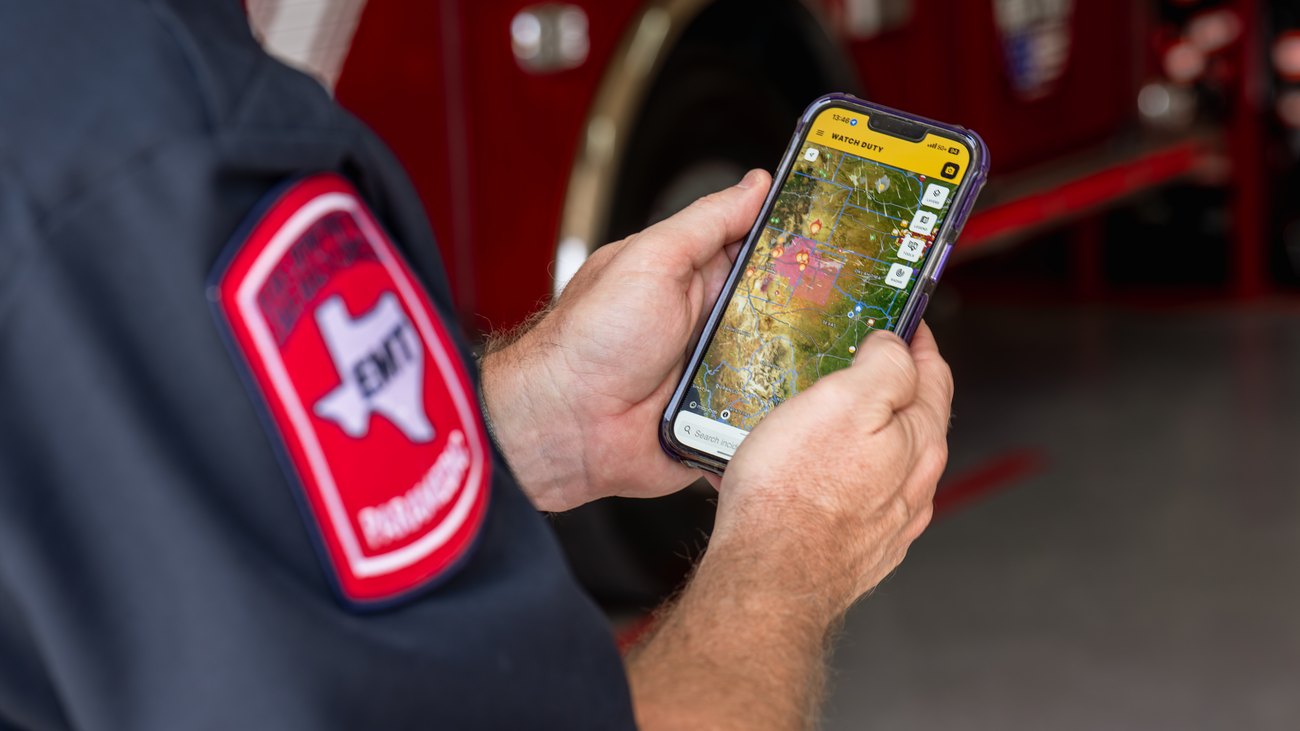
At a glance
- Product
- Watch Duty Gemini radio tool
- Developer
- Google.org Fellowship team
- Grant funding
- $2 million and $300k cloud credits
- Processing speed
- Flagged in under 30 seconds
- Tested capacity
- 400 feeds scaling to 10,000
- Word error rate
- Reduced from 38% to 22.34%
Google and nonprofit alert platform Watch Duty introduced a specialized transcription system powered by Gemini to convert degraded emergency radio broadcasts into real-time text. Detailed in Google Keyword Blog's report, the software was built through a Google.org Fellowship to help active and retired first responders detect new wildfire dispatches in under thirty seconds.
This report examines the underlying VHF radio transcription architecture, acoustic performance benchmarks, real-world deployment during Washington's Railroad Fire, and Google's broader cloud infrastructure support. The analysis provides emergency managers, software engineers, and public safety organizations with a clear assessment of how artificial intelligence processes high-interference voice networks during critical natural disasters.
01Analog radio noise and manual monitoring feeds
Early notifications for emerging wildfires depend heavily on decades-old analog VHF radio networks across rural and forested communities in the United States. These audio transmissions suffer from severe background interference, including howling wind, roaring vehicle engines, electrical static, and rapid tactical jargon spoken by emergency personnel. The acoustic degradation routinely masks critical speech syllables when field units report initial flames.
Watch Duty relies on a dedicated network of volunteers composed of active and retired firefighters, emergency dispatchers, and first responders to evaluate incoming threats. Individual volunteer reporters often monitor up to twenty live radio feeds simultaneously while attempting to decipher garbled transmissions. This intense manual workload creates severe fatigue and threatens to delay critical evacuation notices when spot fires ignite.
Because rural dispatch centers often lack modern automated detection systems, missed radio calls have historically left dangerous coverage gaps during explosive fire weather. Volunteers cannot listen to dozens of streams without interruption, making automated phonetic filtering essential for timely disaster response. Converting volatile analog radio chatter into structured data provides the foundation for reliable community warnings.
02Model training on twenty thousand audio hours
A dedicated team of Google engineers and research scientists spent six months embedded full-time with Watch Duty staff through a pro bono Google.org Fellowship. Working directly alongside operational dispatchers, the engineering team analyzed field conditions to identify why generic speech-to-text models fail on emergency radio frequencies. The collaboration focused on isolating transmission static while preserving crucial dispatch details.
To customize the Gemini pipeline, researchers trained the model using more than twenty thousand hours of archived emergency radio recordings collected from fire zones. This extensive audio library exposed the machine learning system to authentic engine rumble, distorted repeaters, and heavy atmospheric interference. The specialized training taught the model to distinguish background noise from spoken words without discarding quiet voices.
The acoustic processing system translates complex tactical firefighting jargon, regional code phrases, and incident abbreviations into clean, searchable digital text in real time. By stripping out abrasive background static and normalizing terminology, the software delivers legible dispatch logs directly to monitoring queues. This automated filtration frees emergency volunteers to focus on incident verification rather than deciphering garbled audio.
03Lower error rates and feed capacity benchmarks
Advertisement
Tech Pulse Daily
Get tomorrow's pulse first
Join engineers who read Tech Pulse before stand-up. Free, weekday mornings.
Rigorous performance evaluations revealed substantial transcription improvements when processing degraded analog VHF emergency channels. The Gemini-powered tool reduced the word error rate on distorted radio recordings from thirty-eight percent down to 22.34 percent. That marked accuracy gain ensures that street names, geographic landmarks, and unit numbers remain identifiable during initial dispatches.
The operational infrastructure currently transcribes more than two hundred hours of continuous radio speech every single day across roughly four hundred active channels. Google and Watch Duty engineered and load-tested the underlying backend to support more than ten thousand concurrent feeds simultaneously. This scalable capacity ensures the platform can absorb massive spikes in regional monitoring when regional fire outbreaks multiply.
The automated scanner closes vital coverage holes in districts lacking commercial dispatch sensors by flagging potential incidents in less than thirty seconds. Consequently, overall volunteer reporter satisfaction with radio transcription tooling surged from 35.3 percent to 92.3 percent following deployment. First responders receive reliable textual alerts without having to listen to silent or noisy channels continuously.
04Overnight dispatch alerts during the Railroad Fire
The transcription tool faced its first major operational test in July 2026 during the sudden eruption of the Railroad Fire in Washington state. Igniting rapidly under cover of darkness, the wildfire generated immediate emergency calls across local VHF frequencies. Because late-night fires threaten sleeping populations, rapid verification is essential to prevent residential entrapment.
When the initial 911 dispatch was broadcast over local fire radio, the Gemini-based system parsed the static-choked transmission and alerted Watch Duty personnel in under thirty seconds. That rapid detection gave volunteer coordinators immediate situational awareness before commercial sensors or visual cameras could confirm the blaze. The automated text notification bypassed manual monitoring bottlenecks during off-peak hours.
With confirmed dispatch data in hand, Watch Duty broadcast its first-ever overnight Critical Alert, a specialized push notification designed to override mobile device do-not-disturb settings. The urgent warning gave sleeping residents enough advance notice to evacuate their homes safely before flames reached residential perimeters. The incident demonstrated that sub-thirty-second audio transcription directly impacts civilian survival during midnight disasters.
05Philanthropic grant funding and cloud message scaling
The radio transcription system represents the latest output of an ongoing multi-year partnership involving philanthropic, research, and technical divisions across Google. In 2024, Google.org awarded Watch Duty two million dollars in direct funding alongside three hundred thousand dollars in Google Cloud credits. Those resources financed the integration of satellite observation, optical cameras, and radio telemetry into a unified wildfire detection engine.
Google has also embedded Watch Duty data into consumer platforms, featuring its alerts within Google Search SOS modules during major blazes like the Palisades, Eaton, Hurst, and Auto fires. To accommodate an audience that expanded past sixteen million people, Google Cloud expanded Firebase Cloud Messaging limits from 600,000 to one million dispatches per minute, eliminating alert transmission latency.
Through participation in the AI Collaborative: Wildfires consortium, Watch Duty is working to deploy trustworthy, validated predictive models to emergency responders nationwide. The organization continues expanding its infrastructure with the ultimate objective of delivering rapid wildfire detection across all fifty states. Accelerating the flow of verified field data ensures frontline crews and vulnerable communities receive timely evacuation warnings.
Frequently asked questions
How fast does the Gemini radio tool detect wildfire dispatches?
The system transcribes noisy analog emergency radio broadcasts and alerts Watch Duty reporters in less than 30 seconds.
How much did the tool improve radio transcription accuracy?
The Gemini tool reduced the word error rate on degraded analog VHF radio audio from 38% down to 22.34%. Volunteer reporter satisfaction with transcription software also climbed from 35.3% to 92.3%.
What role did the system play in the Railroad Fire?
During the July 2026 Railroad Fire in Washington, the software captured an overnight 911 dispatch in under 30 seconds. That allowed Watch Duty to issue its first-ever overnight Critical Alert so residents could evacuate before flames reached homes.
How many radio feeds can the Watch Duty transcription system handle?
The system currently processes more than 200 hours of audio daily across approximately 400 active feeds. It is designed and load-tested to support more than 10,000 feeds simultaneously.
Sources

Author
Dillip Chowdary
Writes Tech Bytes coverage of AI, engineering, and the tools that actually ship. Editor of Tech Pulse Daily.
Related on Tech Bytes
Advertisement