Hundreds of Mundane AI Apps Are Hiding Sexually Abusive Deepfake Features
A commercial network of over 400 cloaked apps bypassed Apple and Google store reviews to deliver abusive deepfake tools that drew over 350,000 downloads.
By Dillip Chowdary • Nov 02, 2026 • Source: Wired
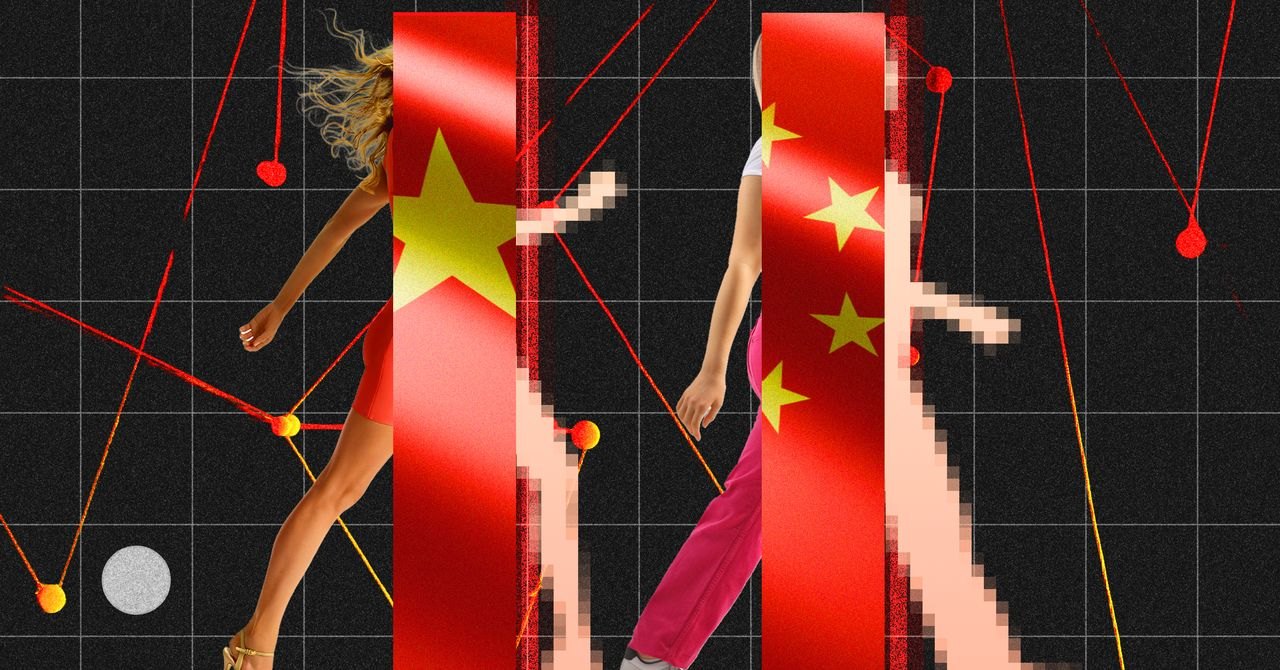
An extensive commercial syndicate disguised sexually abusive deepfake software inside more than 400 apps and domains masquerading as mundane utilities. According to Wired's report, products claiming to be pet portrait tools, language tutors, and workout coaches secretly route users to explicit synthetic image generators. The network operated for roughly a year by publishing decoy programs across major app storefronts and acquiring users via social video campaigns.
This analysis examines the mechanics of the cloaked deepfake network, the server infrastructure enabling dynamic interface switching, and the corporate entities operating the ecosystem. It outlines how automated social media advertising funnels drove hundreds of thousands of downloads into illicit generation tools, providing platform operators, security researchers, and policy teams with a clear overview of the operational tactics used to circumvent mobile marketplace safeguards.
Hundreds of Mundane AI Apps Are Hiding: what actually changed
Mobile applications on the Google Play Store and the Apple App Store presented benign features during review while concealing abusive synthetic media tools. A prominent example identified by researchers is Viefur, an app marketing pet portraits where users spend roughly four dollars for 130 coins to turn pet photos into anthropomorphic portraits dressed in human clothing. Behind this novelty facade, investigators discovered that the software contained an alternate web interface designed to create explicit sexual imagery, featuring violent scene templates depicting bedroom rape and men holding knives to women's necks.
The syndicate expanded rapidly from late 2025 into the spring, registering as many as 30 new nudify websites and applications each week. By September, 27 separate applications tied to the operation were live on Google Play, accumulating over 350,000 collective downloads across accounts frequently rated suitable for all ages. One popular utility, DiffAI, launched in December 2025 and recorded over 100,000 downloads before removal. User reviews warned that DiffAI provided templates for generating child sexual abuse material without age verification, demonstrating how deepfake tools expanded under everyday software labels.
Hundreds of Mundane AI Apps Are Hiding: how it works
The network sidesteps app store review through dynamic cloaking driven by remote server telemetry. When a user opens an installed app, client code transmits device telemetry, including geographic origin, language, and unique device identifiers, to external servers. The remote server evaluates these signals to determine whether to present the advertised interface or load an external web view containing the explicit deepfake engine. Users downloading an app after clicking associated advertisements on social platforms frequently received the explicit version, while direct visits to linked websites showed a blank black screen where the URL updated to include the word risk.
The underlying websites and mobile applications share a unified code architecture and centralized telemetry assets. Infoblox staff threat researcher Maël Le Touz identified nearly 500 connected domains functioning as part of this ecosystem, confirming they run identical code and cross-reference each other. An accessible JavaScript bundle embedded in the websites contained comprehensive network configuration details, including app package identifiers, encryption keys, and Facebook advertising trackers. Inside the loaded interface, users purchase digital diamonds to fund image processing, while external social links provide direct customer support channels connecting users with developers.
Advertisement
Tech Pulse Daily
Get tomorrow's pulse first
Join engineers who read Tech Pulse before stand-up. Free, weekday mornings.
Hundreds of Mundane AI Apps Are Hiding: why it matters now
The discovery exposes how developers systematically exploit the divide between static app store approvals and dynamic remote hosting. Apple spokesperson Adam Dema confirmed that submitted applications complied with storefront policies during initial review, but developers executed bait-and-switch tactics by altering backend websites to serve unauthorized pornographic content post-approval. Apple stated it has suspended tens of thousands of apps for similar tactics over the past year while updating rules to restrict nudification tools. Nonetheless, the network operated for roughly a year, using native billing systems like Apple Pay and Google Pay to monetize abusive tools before intervention.
Social advertising funnels drove user acquisition directly into these cloaked applications. AI Forensics lead researcher Paul Bouchaud described the enterprise as an organized commercial operation running hundreds of disposable apps pushed through tens of thousands of Meta ads under fake payer names. Many promotional clips on Instagram and Facebook featured synthetic depictions of minors, including real children and a European royal family member, reaching tens of thousands of viewers. Tech Transparency Project director Katie Paul, who uncovered ads containing child sexual abuse material, stressed that the campaigns violated multiple policies while bypassing content moderation filters.
Hundreds of Mundane AI Apps Are Hiding: who is affected
The most acute harm falls on nonconsenting individuals whose likenesses are exploited across abusive synthetic imagery and violent templates. Because the cloaked interface allowed users to upload arbitrary personal photos into predefined scenes, individuals faced severe privacy violations without their knowledge or consent. Reviews for applications like DiffAI confirmed that the software operated without age verification safeguards, facilitating the creation of illicit and nonconsensual imagery. The reach of promotional campaigns on mainstream platforms expanded this exposure, placing unauthorized deepfake generation tools into the hands of hundreds of thousands of mobile users worldwide.
Everyday smartphone owners seeking ordinary software tools were also compromised by the deceptive distribution pipeline. Consumers searching for language coaching, workout assistance, or pet novelty tools were exposed to bait-and-switch software integrated with deceptive ad trackers and unvetted payment mechanisms. Meanwhile, major technology ecosystems experienced significant regulatory scrutiny. Global regulators initiated investigations following revelations that ad networks and mobile storefronts facilitated the distribution of software containing child sexual abuse material and violent imagery, highlighting structural weaknesses across the consumer digital supply chain.
Hundreds of Mundane AI Apps Are Hiding: what to watch
Investigative evidence ties the distributed network to Chinese developers operating through overseas corporate registrations. Forensic analysis showed that the applications utilize Chinese hosting services, Chinese-language source code comments, and watermarks from Chinese video editing software embedded in promotional materials. Domain registration records trace the initial infrastructure to KeLing Technology Limited, a Hong Kong registered entity with a bare website shell named in the network's earliest web assets. After researchers initiated inquiries, operators attempted to erase public links connecting KeLing Technology Limited with the deepfake toolkits, though identical codebases continue to link the remaining domains.
Platform operators and regulatory authorities are increasing scrutiny over dynamic app loading and advertising attribution channels. Following independent inquiries and reporting by Danish journalists and research organizations, Google removed the majority of flagged apps, including DiffAI, while Apple removed 19 applications, including Viefur. As Katie Paul of the Tech Transparency Project noted, platforms face critical questions regarding where revenues generated by these apps flow and how operators continuously evade detection. Observers should watch whether app stores mandate stricter monitoring of external web views, enforce rigorous merchant identity verification, and restrict dynamic remote code execution.
Developer Action Items
- ☐ Verify the claim on the official Google / Apple page (or Wired), not from this recap alone.
- ☐ Name the surface that moved — API, policy, model, hardware, or commercial terms — before you Slack the thread.
- ☐ Assign one owner a day to read the primary material and decide: this-sprint, this-quarter, or noise.
- ☐ Do not change production on day-one coverage. Watch the vendor changelog and one independent write-up first.
Hundreds of Mundane AI Apps Are Hiding FAQ
How did cloaked deepfake apps pass Apple and Google app store reviews?
Developers submitted benign software such as pet photo or workout apps that adhered to app store guidelines during evaluation. Once approved, the developers used remote servers to dynamically swap the benign interface for an explicit deepfake web view when specific user conditions were met.
What was the scale of the cloaked deepfake network?
Researchers discovered more than 400 connected domains and apps, with security firm Infoblox identifying nearly 500 linked domains sharing identical code and encryption keys. The apps accumulated over 350,000 downloads on Google Play alone, with popular titles like DiffAI surpassing 100,000 installations.
Who operated the deceptive deepfake application network?
The operation has been linked to Chinese developers and KeLing Technology Limited, an entity registered in Hong Kong. Forensic analysis revealed Chinese hosting, Chinese-language code comments, and watermarks from Chinese video editing software across promotional campaigns.
What action did Apple and Google take against the deepfake apps?
Google removed the majority of the offending applications, including DiffAI, while Apple removed 19 apps, including Viefur, after being alerted to the activity. Apple also stated it updated its App Store rules to further restrict nudification tools and combat bait-and-switch tactics.
Sources

Author
Dillip Chowdary
Writes Tech Bytes coverage of AI, engineering, and the tools that actually ship. Editor of Tech Pulse Daily.
Related on Tech Bytes
Advertisement