iOS 27.3’s redesigned Apple Health app requires newer iPhone model
Apple will launch iOS 27.3 next month with an overhauled Health app that requires an iPhone 15 Pro or newer to run its Apple Intelligence features.
By Dillip Chowdary • Nov 18, 2026 • Source: 9to5Mac
At a glance
- Operating system
- iOS 27.3
- Release window
- Next month
- Hardware requirement
- iPhone 15 Pro or newer
- Technology requirement
- Apple Intelligence enabled
- New modules
- Insights tab, Longevity tab, movement tests
- Initial availability
- Select languages only
Apple is preparing to release iOS 27.3 next month with major system additions, including an overhaul of its mobile health platform. The update introduces a reconstructed health interface that depends directly on on-device neural processing, according to 9to5Mac's report. This change alters how users interact with daily wellness metrics and medical tracking on compatible smartphones.
This report details the operational mechanics, hardware thresholds, and functional additions arriving in the updated operating system. It serves smartphone owners and digital health observers tracking Apple ecosystem changes ahead of the upcoming release cycle. Readers will find exact compatibility tiers, interface capabilities, and platform requirements governing the new software.
01Health app revamp across upcoming software update
The forthcoming iOS 27.3 operating system delivers a major software upgrade that bundles significant enhancements across multiple consumer services. Apple has prepared targeted updates for Apple TV, Apple Music, Siri AI, iCloud+, and the iPhone Duo hardware line alongside the main system build. The central highlight of the package remains the reconstructed Apple Health application designed to present personal wellness data with deeper algorithmic context.
Apple first unveiled the redesigned health interface during September alongside the debut of its latest Apple Watch hardware models. That presentation established a renewed focus on structured daily tracking, longitudinal habit monitoring, and clearer data presentation for mobile users. The upcoming December rollout transitions those previewed concepts into production code across supported consumer hardware.
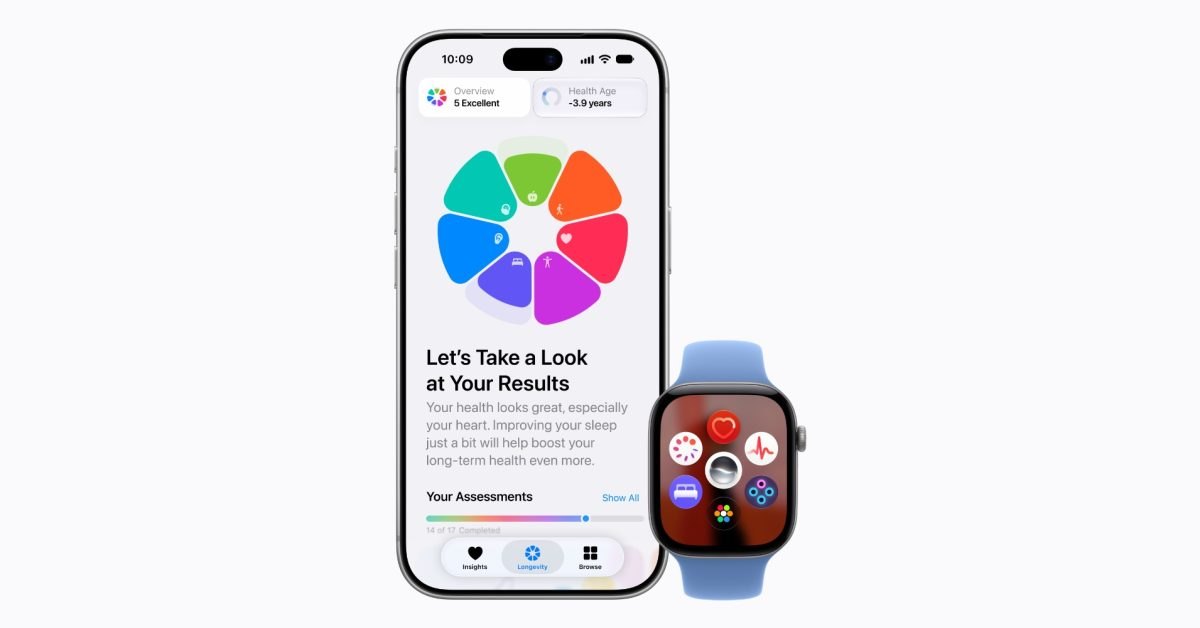
The revamp shifts the traditional metrics dashboard into a personalized and informative environment focused on ongoing user guidance. By integrating dedicated contextual tabs and specialized media, the software attempts to turn raw sensor numbers into actionable daily guidance. These improvements represent a direct expansion of the mobile operating system health tracking capabilities.
02Insights tab and at-home movement evaluations
The reconstructed application introduces an Insights tab alongside a specialized Longevity tab to categorize daily biometric measurements. These sections compile accumulated activity patterns and display long-term wellness progress rather than isolated biometric snapshots. Users receive organized breakdowns reflecting routine habits, physical exertion trends, and health milestones gathered over extended evaluation windows.
Interactive features inside the interface include curated educational videos and guided at-home movement evaluations designed to evaluate physical mobility directly on the device. These evaluations allow users to follow standardized physical routines while mobile sensors track performance indicators without auxiliary clinical equipment. The application pairs these physical assessments with instructional multimedia content to guide everyday wellness practices.
Together, these functional tools expand the scope of mobile health monitoring beyond basic step counting and standard workout tracking. The system organizes sensory readings into structured categories so users can monitor physical stability and long-term functional mobility over time. Every new evaluation mechanism operates within the unified application interface without requiring secondary software downloads.
03Apple Intelligence requirements for core features
Advertisement
Tech Pulse Daily
Get tomorrow's pulse first
Join engineers who read Tech Pulse before stand-up. Free, weekday mornings.
The underlying capabilities of the redesigned Health application rely fundamentally on Apple Intelligence processing routines to analyze user metrics. Because these machine learning functions require dedicated neural hardware, the advanced health experience does not function on base-tier legacy architectures. Apple has tied the entire updated health interface directly to its modern hardware processing suite.
| Device Hardware | Apple Intelligence Status | iOS 27.3 Health Experience |
|---|---|---|
| iPhone 15 Pro and newer | Fully supported | Complete redesign with Insights, Longevity tabs, and evaluations |
| iPhone 15 and earlier | Not supported | Standard legacy interface without neural health features |
| AI feature disabled | Switched off by user | Standard legacy interface without neural health features |
The technical threshold dictates that only an iPhone 15 Pro or newer hardware generation can activate the new interface features. Devices equipped with older processors lack the neural engine performance necessary to run the complex on-device models that power the experience. Consequently, hardware generation determines which interface design is displayed when opening the application.
04Feature disparity across older smartphone models
Users who install iOS 27.3 on hardware older than the iPhone 15 Pro will encounter a largely unchanged health application interface. The software continues to display standard metric recording screens and historical activity logs without the visual or functional enhancements. The absence of compatible neural processing hardware prevents the underlying system from activating the new operational views.
A similar functional restriction applies to owners of compatible hardware who choose not to enable Apple Intelligence within their device settings. Disabling the machine learning subsystem suppresses the entire redesigned interface, forcing the software to revert to the traditional layout. Users must actively keep neural features enabled to access the upgraded metrics structure.
Note: The advanced features inside the redesigned Health application remain restricted to select languages during the initial software rollout. Users operating compatible devices in unsupported languages will temporarily miss out on the complete interface revamp until localization expands. This restriction establishes linguistic constraints alongside the existing hardware boundaries.
05Platform rollout and language launch schedule
The upcoming launch of the redesigned Health application adds to the broader rollout of machine learning capabilities across Apple software ecosystem. The company previously introduced more than twenty Apple Intelligence capabilities when the initial iOS 27 operating system debuted earlier in the year. The health overhaul represents an ongoing expansion of those automated analysis tools into primary user applications.
When iOS 27.3 reaches general availability next month, device owners will experience divergent software tiers based strictly on their hardware specifications. While the broader update refreshes apps like Apple TV, Apple Music, and iCloud+, health advancements remain segmented. Users planning to upgrade must verify both hardware eligibility and language configurations before expecting the transformed wellness interface.
Looking ahead to the upcoming release window, Apple continues to tie major application transformations to its latest silicon architecture. Owners of legacy hardware will receive general stability improvements across the system, but future application revamps increasingly demand neural hardware support. The deployment schedule demonstrates how core operating system components are evolving into dedicated showcases for modern processor generations.
Frequently asked questions
Which iPhone models support the redesigned Apple Health app in iOS 27.3?
The redesigned Health experience requires an iPhone 15 Pro or newer model. Devices older than the iPhone 15 Pro retain the existing interface without the new features.
Why does the updated Apple Health app require newer hardware?
The redesign relies on Apple Intelligence to power its personalized analytics and movement evaluations. Older iPhones lack the neural processing architecture required to support these features.
What features are introduced in the iOS 27.3 Apple Health update?
The application adds an Insights tab, a Longevity tab, educational videos, and guided at-home movement evaluations. These tools provide personalized wellness monitoring and functional mobility tracking.
What happens if Apple Intelligence is disabled on an iPhone 15 Pro?
If a user turns off Apple Intelligence on a compatible iPhone, the Health application reverts to the legacy layout. The redesigned tabs and evaluations remain inaccessible until the feature is enabled.
Sources

Author
Dillip Chowdary
Writes Tech Bytes coverage of AI, engineering, and the tools that actually ship. Editor of Tech Pulse Daily.
Related on Tech Bytes
Advertisement