Is selling an AI version of your face to this microdrama startup
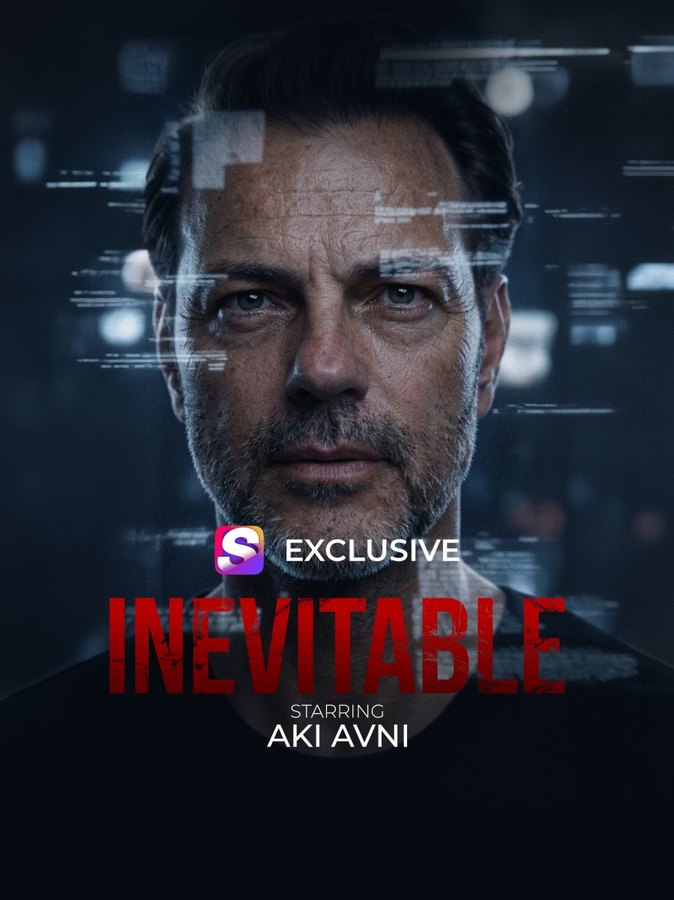
Microdrama startup Shortical premiered an all-AI series starring a digital avatar of actor Aki Avni while launching an open portal to license creator faces.
By Dillip Chowdary • Nov 21, 2026 • Source: TechCrunch
At a glance
- Product
- Inevitable AI microdrama
- Company
- Shortical
- Founder / CEO
- Guy Shimoni
- Lead actor
- Aki Avni
- Founded date
- January 2025
- Market rate
- $15 to $700 in China
Shortical premiered an all-AI microdrama series titled Inevitable in Los Angeles, marking a notable milestone where a working screen actor licensed his facial likeness to power a synthetic video avatar. Founded in January, the mobile storytelling startup built its initial catalog on fast-paced live-action soapy romances, but it is now shifting production heavily toward automated generation to reduce filming overhead. As detailed in TechCrunch's report, the company paired the premiere with an open invitation for social media creators to submit their profiles for future likeness contracts.
This report examines how Shortical is commercializing synthetic digital clones, the financial mechanics behind mobile microdrama subscriptions, and what the model signals for working performers. Hollywood actors, mobile video producers, and gig economy creators can look to this production pipeline to understand how automated production companies handle compensation, copyright consent, and digital distribution.
01Digital avatars and mobile soap operas
Shortical built its audience on vertical two-minute episodes featuring melodramatic romance plots like Crossing the Line with My Neighbor, Accidentally Married My Boss, and Spoiled by My Billionaire Sugar Daddy. The platform offers users the first 7 to 10 episodes for free before requiring a monthly subscription fee to unlock the remainder of each cliffhanger series. Production overhead for entirely artificial pipelines is substantially lower than running live sets, prompting the startup to replace human camera crews with algorithmic character rendering across its storefront.
The new series Inevitable casts Israeli screen actor Aki Avni, known to American audiences from a previous role on Fox's television thriller 24. Avni plays himself in a meta storyline where his character licenses his face to a movie studio before falling into thriller-style suspense. Avni described the project as a new format and a nerve-wracking artistic experiment, making him an early Hollywood veteran to formalize an AI acting deal with a microdrama platform.
02Production economics and fantasy genres
Chief executive Guy Shimoni stated that generative technology allows small software teams to generate movie-scale visual setups that were previously impossible under mobile-first filming budgets. Live-action productions forced the startup to limit set locations and physical effects, whereas synthetic software generates backgrounds featuring kingdoms, dragons, superheroes, and werewolves on demand. The company is leaning on automated rendering to attract mobile viewers who watch short video serials late at night.
Although the broader vertical video industry originated and maintains its largest total viewer base in China, Shimoni noted that the majority of Shortical's paying audience is located in the United States. Viewership across the app skews heavily female, consuming serials for quick dopamine hits before sleep. Several computer-generated titles published on the platform have already accumulated millions of views, encouraging executives to expand the synthetic slate.
03Face licensing and portal enrollment
Advertisement
Tech Pulse Daily
Get tomorrow's pulse first
Join engineers who read Tech Pulse before stand-up. Free, weekday mornings.
Shortical has posted a public call on its website inviting creators to license their faces for synthetic characters. Performers submit their public social media handles, which company staff evaluate before deciding whether to extend an agreement for artificial likeness rights. The startup hopes that promoting Avni's title will build interest among online creators who want to monetize their digital appearance across multiple automated productions.
Note: Shortical confirmed that its public web submission portal has not yet produced any signed agreements, with Avni's contract negotiated as a direct partnership.
- Profile submission applicants supply their public social media handles through the company website form.
- Catalog evaluation internal review teams screen the creator's physical appearance and audience fit for upcoming series.
- Contract delivery accepted creators receive formal licensing agreements defining usage boundaries and payment terms.
04Global compensation rates and contract terms
Digital likeness licensing has already spread across Chinese production studios, where performers have earned between 15 dollars and 700 dollars to surrender their facial rights to microdrama firms. Shortical declined to disclose the specific cash value of Avni's deal, though a company representative claimed his compensation matched industry standards for a traditional non-AI acting role. When asked whether future performers will receive ongoing residual royalties tied to viewership, Shimoni described payment structures as being determined on a case-by-case basis.
| Region or Platform | Likeness Compensation Range | Royalty Terms | Production Method |
|---|---|---|---|
| Chinese microdrama firms | $15 to $700 per face license | None reported | AI digital generation |
| Shortical (Aki Avni deal) | Comparable to non-AI acting role | Case-by-case basis | Fully synthetic avatar |
| Shortical (creator portal) | Undisclosed contract rates | Variable terms | Automated video pipeline |
05Labor disruption and creator payouts
The transition toward automated software has sparked significant resistance among creative workers who previously relied on microdramas as an entry-level hiring ground. Jennifer Cooper, founder of the consultancy Vertical Drama Love, explained that young actors used vertical sets to gain practical experience before synthetic rendering eliminated entry-level crew and acting jobs. Cooper argued that generative titles are largely being pushed by venture capital expectations rather than authentic consumer demand, noting that many automated releases struggle to retain active viewers.
To manage creator disbursements across its expanding licensing pool, Shortical partnered with Payouts.com to process gig-economy distributions at scale. The infrastructure allows the studio to route engagement-based earnings directly to participating creators as digital video clips generate traffic. Licensing agreements are also intended to resolve long-standing industry disputes regarding non-consensual image scraping by establishing clear contractual permission before synthetic production begins.
Frequently asked questions
How does Shortical make money from its microdramas?
Shortical provides the first 7 to 10 episodes of a series for free and charges viewers a monthly subscription fee to access the rest of the catalog.
Who is the first actor to license his face to Shortical?
Israeli television and film actor Aki Avni licensed his likeness to star as an artificial avatar of himself in the series Inevitable.
How much do microdrama studios pay to license an individual's face?
Industry data from China shows payments between 15 dollars and 700 dollars per face, while Shortical states Avni received compensation aligned with traditional acting standards.
Which infrastructure platform handles Shortical's creator payments?
Shortical partnered with Payouts.com to disburse engagement earnings and licensing compensation across its creator network.
Sources

Author
Dillip Chowdary
Writes Tech Bytes coverage of AI, engineering, and the tools that actually ship. Editor of Tech Pulse Daily.
Related on Tech Bytes
Advertisement