It’s Getting Too Dry for Even Cactuses to Survive
Research in Nature shows severe droughts could wipe out over 80 percent of habitat for more than a quarter of nearly 1,000 cactus species by 2100.
By Dillip Chowdary • Nov 15, 2026 • Source: Wired
A new study published in the journal Nature reveals that worsening droughts driven by climate change threaten the survival of hundreds of cactus species across the globe. As detailed in Wired's report, conservation ecologists modeled rising temperatures alongside intensified dry spells and found that the majority of nearly 1,000 cactus species face severe habitat reductions. More than a quarter of those assessed could lose at least 80 percent of their native habitat ranges by the year 2100.
This analysis examines how compounding environmental stresses, citizen science observation datasets, and sublethal reproductive disruptions alter the survival outlook for desert flora. The findings are intended for environmental scientists, conservation practitioners, policy makers, and land managers seeking to understand desert degradation and target ecological interventions.
01Global drought modeling across thousand species
Cacti have long represented natural symbols of botanical resilience, yet their biological adaptations evolved specifically around predictable seasonal rainfall rather than perpetual moisture absence. In the southwestern United States, native populations depend heavily on monsoon rains during July and August to replenish tissue storage through waxy moisture-trapping outer skins. When prolonged droughts disrupt these seasonal precipitation cycles, the plants experience simultaneous dehydration and heat stress that exceeds their physiological tolerances.
Lead author Michiel Pillet, a conservation ecologist at the University of South Florida, pointed out that public perceptions often treat cacti as organisms capable of enduring unlimited environmental shock. In reality, their reliance on specific baseline moisture makes them vulnerable when conditions shift beyond historical norms. Accounting directly for prolonged dry conditions demonstrates that desert plant species face far steeper survival threats than earlier heat-only models anticipated.
02Citizen science records mapping desert distribution
To evaluate distribution changes with real-world precision, researchers incorporated data from the citizen science platform iNaturalist rather than depending solely on top-down theoretical projections. The platform contributed 650,000 wild observations of cacti uploaded by contributors across various desert territories. Combining crowdsourced geographic points with ecological forecasting allowed the research team to construct an accurate assessment of where wild populations are already struggling.
This observational dataset helped scientists shift from tracking basic mortality toward investigating subtle demographic impacts across multiple plant growth phases. Rather than merely recording adult specimens that wither and die, researchers can now isolate whether environmental strain primarily eliminates vulnerable seedlings, stunts general vegetative development, or halts seasonal flowering cycles entirely.
Advertisement
Tech Pulse Daily
Get tomorrow's pulse first
Join engineers who read Tech Pulse before stand-up. Free, weekday mornings.
03Sublethal reproductive disruption in fragile ecosystems
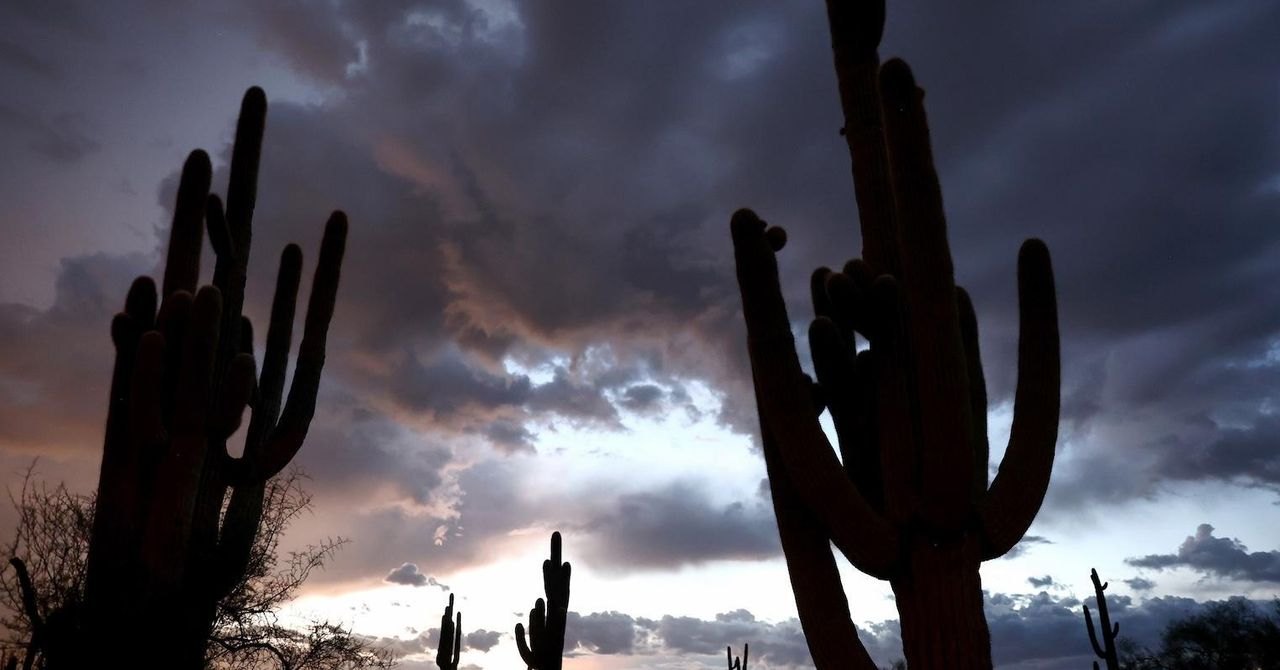
Prolonged drought introduces sublethal damage that destabilizes desert species long before individual adult plants die of thirst. In Arizona's Sonoran Desert, towering saguaro specimens produce fewer blooms during persistent dry stretches, which directly reduces seed output and slows population recruitment. These reproductive stalls trigger demographic collapse across regions that rely on healthy plant densities for wildlife shelter and food sources.
Desert habitats remain exceptionally fragile despite their rugged visual appearance, requiring multiple decades to recover from severe ecological disturbance. Marcos Robles, lead scientist for the Nature Conservancy in Arizona, observed that extreme heat combined with scarce water leaves damaged ecosystems with minimal self-repair capacity, leading to permanent degradation in select regions where plants simply cannot regenerate.
04Compounding stressors across shrinking native ranges
Drought does not operate in isolation but compounds preexisting pressures from human development and illegal poaching for private botanical collections. Shifts in local temperature patterns also limit nocturnal respiration, which cacti depend on to exchange gases without losing moisture. Rod Haenni, president of the nonprofit Cactus and Succulent Society of America, noted that elevated nighttime temperatures prevent species like the saguaro from respiring properly, causing tissues to rot if unexpected moisture arrives.
Geographic extremes illustrate the breadth of these environmental vulnerabilities across distinct cactus habitats. While inland species suffer from historic lack of rainfall, rising ocean water levels contributed to the local extinction of the Key Largo tree cactus in Florida. Over extended timelines, entire plant populations may gradually shift geographic ranges toward cooler, higher-moisture regions, mirroring patterns seen in Arctic flora shifting northward.
05Conservation intervention through botanical garden refuges
Because climate trajectories cannot be reversed overnight, conservationists are using habitat loss models to pinpoint where intervention efforts must focus first. Researchers emphasize establishing safeguarded backup populations within botanical gardens where sensitive specimens receive monitored care away from hostile conditions. When local desert moisture stabilizes, land managers can potentially reintroduce cultivated stocks into protected wild reserves.
Long-term survival also requires direct legislative commitment to habitat preservation across state and international jurisdictions. Haenni stressed that although scientific research highlights the urgency of saving threatened wild populations, government leadership often demonstrates indifference toward comprehensive habitat safeguards. Coordinated preservation initiatives, active land stewardship, and scientific observation remain necessary to ensure fragile desert ecosystems endure ongoing climate extremes.
It’s Getting Too Dry for Even Cactuses FAQ
What did the Nature study discover about cactus habitats by 2100?
The study modeled nearly 1,000 cactus species and found that the majority will lose native habitat, with more than 25 percent projected to lose at least 80 percent of their range by 2100 due to intensifying droughts and rising temperatures.
How did researchers use iNaturalist to study wild cacti?
Researchers analyzed 650,000 observations of wild cacti uploaded by users to the citizen science platform iNaturalist to identify how populations are faring across specific regions and study vulnerable growth stages.
Why are rising nighttime temperatures harmful to cacti?
Cacti open their pores at night to respire and avoid water loss, but excessively high nighttime temperatures prevent proper respiration and can cause the plants to rot if watered while unable to function normally.
Sources

Author
Dillip Chowdary
Writes Tech Bytes coverage of AI, engineering, and the tools that actually ship. Editor of Tech Pulse Daily.
Related on Tech Bytes
Advertisement