New camera sensor coming to the iPhone 20 Pro’s main camera, says leaker
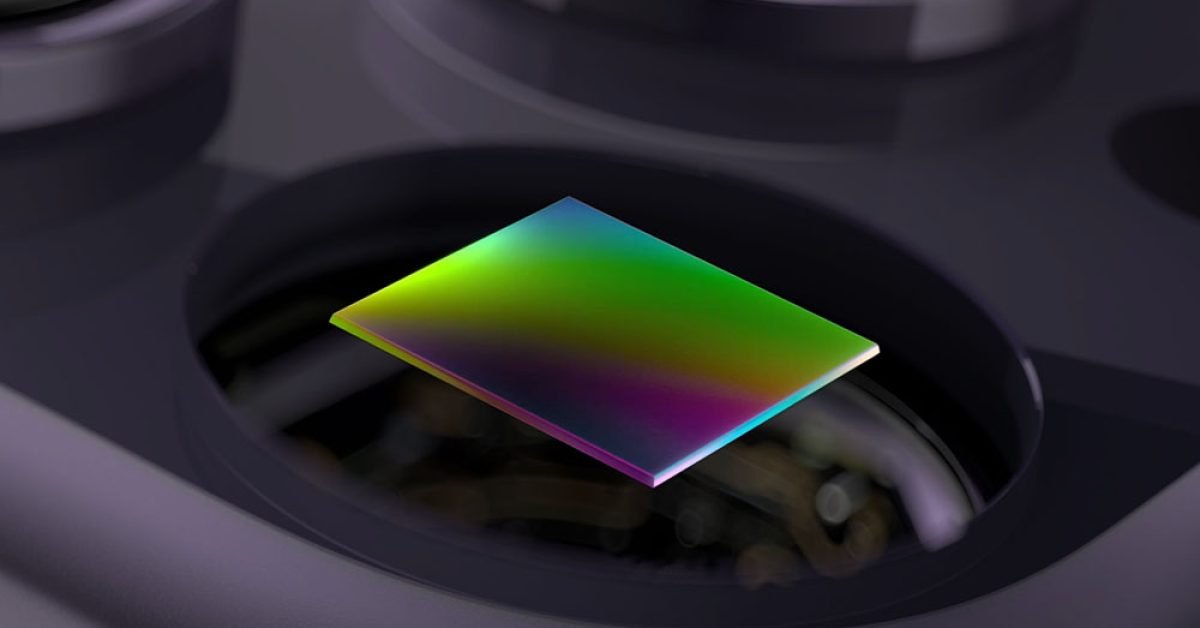
Apple plans to equip the iPhone 20 Pro with a new main camera sensor built on a 17nm logic process next year ahead of its twentieth anniversary design update.
By Dillip Chowdary • Nov 16, 2026 • Source: 9to5Mac
At a glance
- Target device
- iPhone 20 Pro
- Logic process
- 17nm logic process
- Camera module
- Main rear camera
- Release timing
- Next year
- Sensor size
- Unconfirmed whether size will change
- Telephoto rumors
- 200MP sensor reported for 2027 or 2028
Apple is developing a new main camera sensor built on a 17nm logic process for the upcoming iPhone 20 Pro, according to details highlighted in 9to5Mac's report. The leak, shared by insider Ice Universe on November 16, 2026, indicates a more sophisticated silicon architecture intended for next year's primary rear imaging system.
This report details the reported manufacturing process, Apple's expected anniversary release schedule, and how smartphone sensors compare with dedicated standalone cameras. It is designed for prospective buyers, mobile photographers, and hardware engineers assessing Apple's multi-year camera hardware roadmap against existing telephoto rumors.
01Seventeen nanometer logic process sensor leak
Technology leaker Ice Universe reported that Apple will incorporate a 17nm logic process into the main camera sensor for next year's flagship phone. The fabrication node marks an architectural shift for on-sensor control circuitry situated beneath the photo-sensitive silicon. This design enables the camera module to execute complex image signal processing routines directly on the sensor assembly.
The disclosure confirms that this hardware upgrade targets the primary wide camera rather than secondary focal lengths. Prior smartphone generations faced packaging and thermal constraints when integrating advanced silicon underneath compact mobile sensors. Adopting a 17nm foundation allows the main imaging sensor to process high-resolution image data with increased electrical efficiency.
While the logic architecture receives a confirmed node upgrade, detailed pixel specifications remain undisclosed across supply chain channels. Current reports do not clarify whether the design introduces modified sub-pixel layouts or retains standard readouts. Nevertheless, the development indicates a deliberate investment in upgrading the specific camera module that records the vast majority of everyday user photographs.
02Twentieth anniversary naming leap and release schedule
Under Apple's standard sequential branding convention, next year's flagship device would normally debut as the iPhone 19 Pro. However, industry expectations indicate that Apple will jump directly to the iPhone 20 nomenclature. The numbering shift is planned to celebrate the twentieth anniversary of the original iPhone introduction next year.
This branding strategy echoes the launch of the iPhone X, which bypassed standard numbering to mark the smartphone's tenth anniversary. Apple used that historical milestone to deliver substantial structural redesigns and new hardware technologies across its lineup. Observers expect next year's twentieth-anniversary model to introduce a comparable overhaul spanning internal components, industrial aesthetics, and core camera hardware.
03Dedicated camera glass lenses and sensor area
Advertisement
Tech Pulse Daily
Get tomorrow's pulse first
Join engineers who read Tech Pulse before stand-up. Free, weekday mornings.
Dedicated cameras maintain significant optical advantages over smartphones despite the convenience of mobile devices. The first major difference involves lens construction, where dedicated cameras utilize large, sophisticated glass elements that maximize optical clarity. In contrast, smartphones rely on small plastic lenses engineered to fit inside slim handset enclosures.
| Hardware attribute | iPhone camera module | Dedicated consumer camera |
|---|---|---|
| Lens construction | Small stacked plastic lenses | Large multi-element glass lenses |
| Sensor surface area | Compact mobile silicon | Significantly larger sensor area |
| Light capture volume | Constrained by thin enclosure | High volume light gathering |
| Usage profile | Pocket everyday convenience | Dedicated high quality imaging |
The second fundamental difference centers on physical sensor dimensions, which dictate how much light reaches the silicon during an exposure. A larger sensor captures more photons, producing cleaner images with wider dynamic range in challenging lighting environments. Current smartphone sensors remain tiny compared to the imaging silicon found inside mid-range dedicated consumer cameras.
04Telephoto resolution tradeoffs and two hundred megapixels
Earlier supply-chain disclosures suggested that larger camera sensors were planned for future iPhone models arriving in 2027 or 2028. Subsequent reporting indicated that 2028 was the more probable launch target for that expanded optical hardware. However, those reports carried a notable catch, as the larger sensor was designated solely for the telephoto camera.
Those telephoto leaks pointed to a 200MP resolution sensor integrated into the secondary zoom module. Packing two hundred million pixels onto a mobile sensor requires sacrificing low-light capabilities in exchange for higher resolution. That optical tradeoff proves manageable for telephoto lenses, which photographers predominantly deploy outdoors under bright daylight conditions.
05Main camera dimensions and low light performance
Camera analysts emphasize that the most impactful upgrade for iPhone photography would be a significantly larger main sensor without any increase in resolution. Retaining current resolution while expanding physical silicon area increases individual pixel size and improves photon capture. This design improves low-light performance and overall image quality without relying on aggressive computational processing.
The leak from Ice Universe leaves the physical dimensions of the upcoming 17nm main sensor unconfirmed. Observers cannot verify whether Apple plans to enlarge the physical sensor footprint or maintain existing dimensions while improving on-chip logic. If Apple pairs 17nm logic with a larger sensor area, the main camera will deliver noticeable gains in low-light environments.
Note: Technical specifications from leaker Ice Universe do not confirm whether the physical sensor dimensions will expand or remain identical to current generation hardware, and Apple has not officially verified manufacturing timelines or component architecture for the iPhone 20 Pro.
Frequently asked questions
What camera upgrade is reported for the iPhone 20 Pro?
Leaker Ice Universe reports that the iPhone 20 Pro main camera will feature a new sensor using a 17nm logic process. The hardware is expected to launch next year.
Why will Apple skip the iPhone 19 Pro name?
Apple is expected to jump directly to the iPhone 20 branding to mark the twentieth anniversary of the iPhone. Next year's phone would normally be named the iPhone 19 Pro under current naming conventions.
Is the new main camera sensor physically larger?
The leak does not specify whether the physical sensor dimensions will increase or remain identical. Specific details regarding sensor area have not been confirmed.
What earlier sensor rumors exist for future iPhones?
Previous reports suggested a 200MP telephoto sensor was scheduled for 2027 or 2028, with 2028 being more likely. Squeezing 200MP into a mobile sensor trades low-light sensitivity for higher daytime resolution.
Sources

Author
Dillip Chowdary
Writes Tech Bytes coverage of AI, engineering, and the tools that actually ship. Editor of Tech Pulse Daily.
Related on Tech Bytes
Advertisement