Next year’s iPhone Pro redesign sounds like exactly what I’ve been wanting
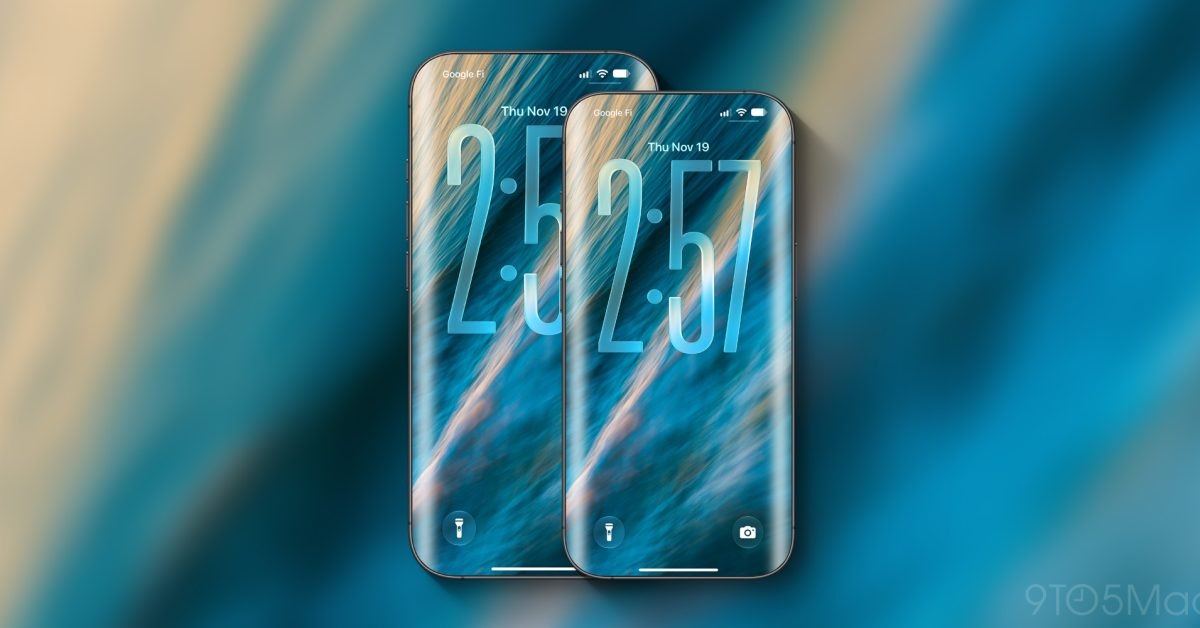
Apple is designing an iPhone 20 Pro with a quad-curved bezel-free screen, blending iPhone Air aesthetics with iPhone 18 Pro cameras for its 20th year.
By Dillip Chowdary • Nov 19, 2026 • Source: 9to5Mac
At a glance
- Product
- iPhone 20 Pro
- Release milestone
- 20th anniversary iPhone
- Display design
- Quad-curved bezel-free screen
- Frame material
- Slimmer curved edges with titanium
- Key baseline models
- iPhone 18 Pro and iPhone Air
- Alternative flagship
- iPhone Duo and iPhone Duo 2
Apple is preparing a significant hardware redesign for its upcoming twentieth anniversary flagship smartphone, drawing structural inspiration from two distinct devices in its modern portfolio. According to 9to5Mac's report, early supply chain details indicate the company plans to introduce an iPhone 20 Pro that merges the slim aesthetic of the iPhone Air with the advanced imaging capabilities of the iPhone 18 Pro. The planned hardware revision marks an effort to unify conflicting user preferences into a single high-tier offering.
This analysis outlines Apple's evolving industrial design strategy, detailing how upcoming chassis adjustments, display alterations, and camera arrangements address recent customer tradeoffs across the broader iOS hardware family. It examines the technical balance between device thickness, optical systems, and battery endurance for smartphone buyers evaluating current devices against next year's refreshed portfolio. The breakdown serves prospective upgraders, mobile photographers, and technology observers tracking Apple's product roadmap.
01Fragmented hardware choices across modern flagship releases
Apple's continuous expansion of its phone catalog has introduced several specialized form factors, moving away from a portfolio anchored by a single universally acknowledged top model. While offering distinct choices caters to specific operational requirements, it forces customers to make functional sacrifices between portability, screen mechanics, and imaging power. The introduction of the iPhone Duo established a dual-screen category that polarizes users, leaving many returning to conventional single-screen flagships.
Daily experience with the iPhone Duo demonstrated that its unique dual-panel format fails to satisfy every mobile workflow, prompting users to return to standard chassis options like the iPhone 18 Pro. However, secondary devices such as the lightweight iPhone Air continue to impress owners whenever handled due to their structural refinement. Balancing these diverse form factors leaves consumers longing for a unified flagship that delivers premium build appeal alongside uncompromised utility.
| Model | Form Factor Focus | Camera Configuration | Hardware Tradeoff |
|---|---|---|---|
| iPhone Air | Ultra-slim lightweight build | Standard single optical system | Reduced battery and zoom capabilities |
| iPhone 18 Pro | Traditional pro chassis | Main and Telephoto lenses | Heavier and thicker handheld profile |
| iPhone Duo | Dual-panel foldable format | Integrated utility cameras | Specialized ergonomics not suited for everyone |
| iPhone 20 Pro | Slim quad-curved frame | Full multi-lens flagship array | Balanced premium profile without compromises |
02Camera upgrades versus slim chassis preferences
Choosing between hardware platforms often comes down to imaging reliability when recording fast-moving moments or family milestones. Upgrading from the thin iPhone Air to the sturdier iPhone 18 Pro provides access to a proven optical array necessary for capturing young children and newborn twins before they grow up. The dedicated Main camera delivers superior low-light performance, while the optical Telephoto lens restores essential zooming flexibility missing on slimmer builds.
Despite the clear imaging advantages of the iPhone 18 Pro, moving away from the streamlined feel of the iPhone Air leaves a noticeable tactile void. Owners who used the Air throughout the previous year frequently miss its effortless portability, reduced wrist strain, and balanced palm grip. The disparity between an exceptional camera platform and a delightful chassis highlights the fundamental compromise present in Apple's current production lineup.
Family photographers frequently prioritize optical flexibility over thin profiles because fleeting moments require immediate autofocus and true optical focal lengths. Author Ryan Christoffel observed that caring for young children and newborn twins at home necessitated the upgrade to the iPhone 18 Pro to preserve family memories before childhood stages pass. While carrying a heavier phone poses daily ergonomic friction, reliable zoom hardware consistently outweighs structural convenience for parents.
03Quad curved glass and titanium frame rumors
Advertisement
Tech Pulse Daily
Get tomorrow's pulse first
Join engineers who read Tech Pulse before stand-up. Free, weekday mornings.
Supply chain leaks suggest Apple's twentieth anniversary pro models will debut an overhauled display assembly engineered with quad-curved glass. By wrapping the front glass subtly across all four edges, the screen creates a visually seamless, bezel-free viewing surface. This panel construction eliminates visible perimeter borders while working in tandem with rounded chassis corners to soften the overall grip feel during handheld navigation.
In addition to edge curvature, engineering teams are testing a thinner overall enclosure that could reintroduce titanium as the primary structural casing material. Incorporating titanium would maintain rigid drop resistance while shedding critical grams from the device frame. Sourcing reports emphasize that these exterior aesthetic refinements borrow substantial visual language directly from the iPhone Air, translating lightweight design cues into a sturdier professional tier.
Note: Early supply chain reports indicate Apple is refining these lightweight frame materials and curved display assemblies for next year's twentieth anniversary release. Commercial yields and component testing will determine whether polished titanium finishes and bezel-free edge glass make the final production baseline before volume manufacturing begins.
04Thinner chassis retaining pro imaging hardware
The conceptual advantage of the rumored iPhone 20 Pro rests in its capacity to trim physical bulk without compromising core system architecture. While the anniversary device cannot match the extreme thinness of the iPhone Air due to component volume, shedding fractional thickness will substantially elevate ergonomic comfort. Adopting the visual balance and sculpted contours of the Air allows the device to evoke similar consumer admiration while sustaining heavy workloads.
Crucially, internal space optimizations ensure the sleeker enclosure retains the flagship optical setup found on the iPhone 18 Pro. Users will retain access to large primary sensors and Telephoto optics alongside extended battery life that exceeds the physical limitations of ultra-slim enclosures. This mechanical equilibrium prevents mobile photographers and high-demand users from suffering the severe endurance penalties typically associated with ultra-portable smartphone frames.
Future pro models must overcome the thermal and physical constraints that previously separated lightweight models from imaging flagships. The iPhone Air established an industry benchmark for lightweight device handling, yet its compact chassis restricted internal battery volume and multi-camera housing. Achieving a slightly reduced thickness while preserving full camera capabilities gives the anniversary edition the potential to satisfy both design purists and hardware power users.
05Companion accessories and alternative device options
Anticipation around the twentieth anniversary release also highlights alternative paths for users who do not adopt the upcoming iPhone Duo 2 foldable hardware. Customers prioritizing traditional slate designs over dual screens will find the iPhone 20 Pro targeted directly at their productivity expectations. Merging durable ergonomics with pro capabilities establishes an appealing alternative for buyers seeking maximum imaging efficiency without managing folding hinges or flexible panels.
Existing accessory ecosystems continue to adapt around Apple's shifting form factors, spanning power supplies, mounting gear, and monitoring hardware. Current ecosystem staples include third-generation AirPods Pro discounted from two hundred forty-nine dollars to one hundred seventy-nine dollars, dedicated MagSafe car mounts, and ten-year AirTag battery enclosures. Mobile setups also leverage one-hundred-watt USB-C fast charging adapters and HomeKit garage door openers to support both daily workflow and household management.
Complementary accessories allow owners to tailor their charging and mounting routines whether they choose traditional pro frames or experimental dual-screen models. While foldable hardware like the upcoming iPhone Duo 2 introduces new form factors, standard chassis options preserve straightforward compatibility with existing MagSafe accessories and high-output charging infrastructure. Maintaining hardware continuity across these categories ensures that pro device owners upgrade without replacing their entire ecosystem.
Frequently asked questions
What display changes are rumored for the iPhone 20 Pro?
Apple is reportedly testing a quad-curved display that curves on all four edges to produce an edge-to-edge, bezel-free appearance.
How does the iPhone 20 Pro design compare to the iPhone Air?
The upcoming Pro model is expected to borrow design traits from the iPhone Air by adopting a slimmer profile and curved edges without sacrificing flagship camera performance.
Which cameras will the iPhone 20 Pro retain from previous Pro models?
The device will retain dedicated Main and Telephoto lenses similar to the iPhone 18 Pro, ensuring premium image capture alongside improved battery life.
What other flagship models does Apple offer alongside the Pro line?
Apple maintains an expanding lineup that includes the ultra-thin iPhone Air as well as dual-screen hardware such as the iPhone Duo and the upcoming iPhone Duo 2.
Sources

Author
Dillip Chowdary
Writes Tech Bytes coverage of AI, engineering, and the tools that actually ship. Editor of Tech Pulse Daily.
Related on Tech Bytes
Advertisement