OpenAI upgrades ChatGPT and Codex with new GPT-6.1 Terra model
OpenAI launched GPT-6.1 Terra for ChatGPT, Codex, and API users, cutting pricing by 50 percent while reducing maximum reasoning error rates to 4.3 percent.
By Dillip Chowdary • Oct 26, 2026 • Source: 9to5Mac
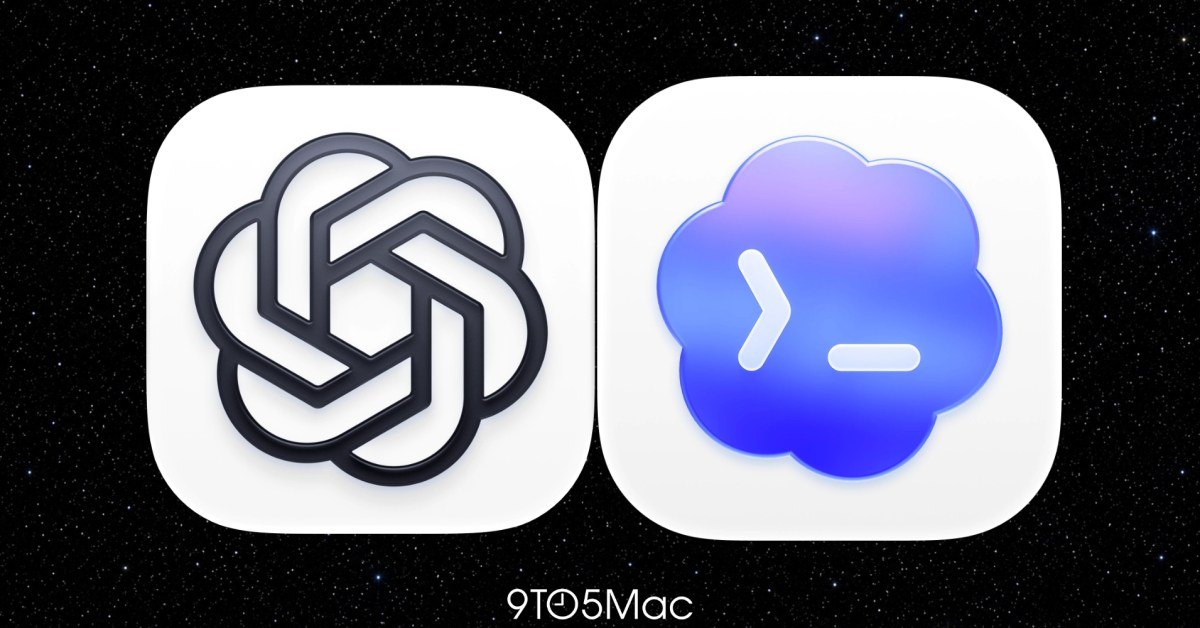
OpenAI launched GPT-6.1 Terra on October 26, 2026, upgrading its medium-tier model class directly from GPT-5.6 Terra to join the GPT-6 product family across ChatGPT, Codex, and its developer API. According to 9to5Mac's report, the update fills a gap left open last month when OpenAI deployed GPT-6 variants for its lightweight Luna and flagship Sol tiers while leaving Terra on the older 5.6 generation. The release brings enhanced processing speed, detailed visual reasoning, and computer-use automation to workplace workflows at a 50 percent lower price point than the prior generation.
This deep-dive covers the architectural positioning of GPT-6.1 Terra, its benchmark reductions in operational error rates, interface integration, and access mechanics for engineering teams and enterprise accounts. It is designed for developers, systems architects, and enterprise operations leads who rely on Codex and ChatGPT Work for high-volume task automation, drafting, visual analysis, and form entry.
What shipped in OpenAI upgrades ChatGPT and Codex with new
OpenAI expanded its model catalog by releasing GPT-6.1 Terra to serve as its balanced medium-sized model class between lightweight economy and premium frontier compute. The company maintains four main model classes ranked from lowest price and capability to highest: Luna, Terra, Sol, and Astra. GPT-6.1 Terra replaces GPT-5.6 Terra across ChatGPT Work, Codex environments, and the public API, providing an immediate upgrade path for business customers managing daily digital operations.
The system delivers visual reasoning alongside precise computer use and natural drafting capabilities. OpenAI designed the release to execute everyday workplace computing tasks, including technical drawing interpretation, proposal generation, automated form filling, and video editing workflows. By pairing computer execution with upgraded vision processing, the model automates repetitive screen-based actions while reducing runtime overhead compared to larger models.
What improved in OpenAI upgrades ChatGPT and Codex with new
Performance benchmarks show measurable reductions in model mistakes across multiple reasoning thresholds when evaluated against internal stress tests. On OpenAI's internal benchmark of error-inducing prompts, the failure rate at low reasoning effort dropped from 53.6 percent with GPT-5.6 Terra to 16.7 percent with GPT-6.1 Terra, representing a reduction of nearly 37 percentage points. When pushed to maximum reasoning effort, the error rate dropped by 18 percentage points from past thresholds down to 4.3 percent.
| Metric | GPT-5.6 Terra | GPT-6.1 Terra | Change |
|---|---|---|---|
| Pricing | Baseline | 50% lower | 50% reduction |
| Error Rate (Low Reasoning Effort) | 53.6% | 16.7% | 36.9 percentage points lower |
| Error Rate (Maximum Effort) | 22.3% | 4.3% | 18 percentage points lower |
At that 4.3 percent benchmark, the medium-sized model approaches the precision profiles measured on OpenAI's higher-tier engines, nearly matching the error scores recorded for GPT-6 Astra and GPT-6.1 Sol. The operational cost dropped alongside the error rate, as OpenAI set standard API and service pricing 50 percent lower than the previous GPT-5.6 Terra generation.
What you gain from OpenAI upgrades ChatGPT and Codex with new
Engineering teams running sustained background operations receive a model capable of extended automated runs without incurring premium tier expenses. The 50 percent price reduction paired with low benchmark error rates allows organisations to route routine agent tasks, such as automated form completion and proposal generation, away from expensive frontier models like Astra without absorbing high failure rates.
Advertisement
Tech Pulse Daily
Get tomorrow's pulse first
Join engineers who read Tech Pulse before stand-up. Free, weekday mornings.
Operations teams that handle visual assets benefit from integrated technical diagram comprehension and document review directly inside standard tooling. With error rates falling to 4.3 percent at maximum reasoning effort, systems operating through Codex or API calls can reliably navigate complex multi-step screen flows, programmatic video trimming, and enterprise communication drafting with minimal human supervision.
How to get OpenAI upgrades ChatGPT and Codex with new
Access to GPT-6.1 Terra opened on October 26, 2026, across ChatGPT Work plans, Codex workspaces, and developer API endpoints. Developers utilising OpenAI developer tools can verify and update their client installation to ensure support for newly registered model identifiers.
npm install -g @openai/codexWithin supported conversational interfaces and terminal development tools, users can transition current sessions to the newly deployed engine using the standard model switch command.
/model gpt-6.1-terraDevelopers starting new terminal sessions can target the model directly through command-line execution flags to pin the medium-tier engine for specific automated jobs.
codex --model gpt-6.1-terraTo configure developer environments so all subsequent API calls and CLI sessions default to the newly deployed architecture without manual flags, export the model selection variable in your active shell profile.
export OPENAI_DEFAULT_MODEL="gpt-6.1-terra"What to watch after OpenAI upgrades ChatGPT and Codex with new
With Terra brought into the modern GPT-6 architecture, OpenAI's model tiering now features Luna, Terra, Sol, and Astra functioning across modern foundation releases. Observers and enterprise customers will monitor how effectively the medium-sized model handles long-running computer-use tasks compared to Sol, particularly when executing screen navigation and dense visual recognition under prolonged duty cycles.
Teams should evaluate their active API routing policies and prompt routing scripts to capture the 50 percent price reduction over GPT-5.6 Terra. Tracking real-world error frequencies against OpenAI's 16.7 percent low-effort and 4.3 percent maximum-effort benchmark claims will determine how much administrative workload can safely shift from Sol and Astra down to Terra in production deployments.
Developer Action Items
- ☐ Diff the official changelog for OpenAI / ChatGPT / Codex 6.1 before you bump — APIs, defaults, and removed flags only.
- ☐ Install through the vendor's documented channel in staging; keep a one-command rollback and time-box the canary.
- ☐ Grep your repo for old flag names, lockfile pins, and plugin versions that the notes mark as breaking.
- ☐ Prefer the first patch cut over the day-zero tag unless you have a reason to be on the leading edge.
- ☐ If 9to5Mac did not name a region, plan, or SKU, screenshot the official availability line before you promise it to users.
OpenAI upgrades ChatGPT and Codex with new FAQ
What is GPT-6.1 Terra?
GPT-6.1 Terra is OpenAI's new medium-sized artificial intelligence model that balances speed, visual reasoning, computer use, and affordability across ChatGPT Work, Codex, and the API.
How much does GPT-6.1 Terra cost compared to GPT-5.6 Terra?
Pricing for GPT-6.1 Terra is 50 percent lower than the previous GPT-5.6 Terra model it replaces.
How does the accuracy of GPT-6.1 Terra compare to older and higher-tier models?
On OpenAI's internal benchmark of error-inducing prompts, error rates fell from 53.6 percent to 16.7 percent at low reasoning effort, and dropped to 4.3 percent at maximum effort, nearly matching GPT-6 Astra and GPT-6.1 Sol.
Where is GPT-6.1 Terra available?
The model is available starting October 26, 2026, through ChatGPT Work, Codex, and the OpenAI API.
Sources

Author
Dillip Chowdary
Writes Tech Bytes coverage of AI, engineering, and the tools that actually ship. Editor of Tech Pulse Daily.
Related on Tech Bytes
Advertisement