Physical AI is more than robots, says the Nvidia veteran now investing
Amulya Vishwanath says robotics is in a Lego era of actuators, robotic hands, software, and safety standards, and she is writing first checks at Techable VC.
By Dillip Chowdary • Oct 16, 2026 • Source: TechCrunch Startups
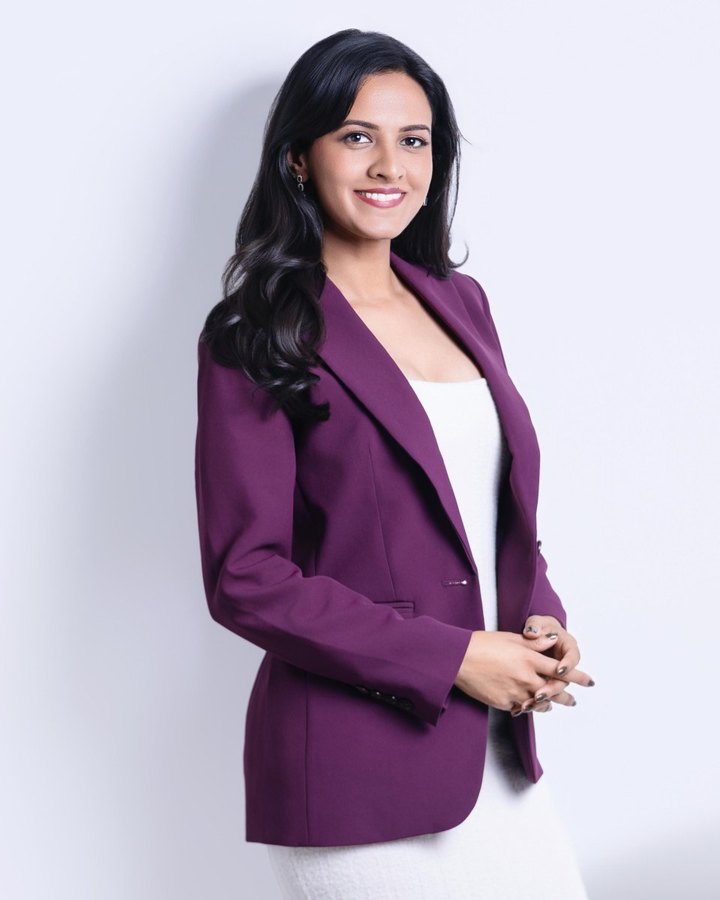
After seven years leading product marketing for NVIDIA's robotics platforms, Amulya Vishwanath is founder and managing partner of Techable VC and is writing first checks in physical AI. She told Dominic-Madori Davis on TechCrunch's Oct 16, 2026 Equity episode that robotics is in a "Lego era," with actuators, robotic hands, software, and safety standards still being rebuilt. TechCrunch Startups's report is the episode, and audio producer Theresa Loconsolo produced it.
This piece covers her definition of physical AI, the blocks still being rebuilt, and her reply to a general foundation model. It is for founders who want a VC as a moat and for readers following factories that cannot find workers, surgeons facing burnout, humanoids, and the United States and China. She is one of the first women executives to spin out of Nvidia and launch an early-stage firm.
Physical AI vs robots: what actually changed
Her view runs counter to people who believe robotics, powered by a general foundation model, is about to have its "ChatGPT moment," the late 2022 launch of the shockingly capable chatbot. General Intuition CEO Pim de Witte told Equity earlier this year that one such model would make much of today's specialized robotics work redundant. After seven years leading NVIDIA robotics marketing, Vishwanath now calls this a "Lego era" of actuators, robotic hands, software, and safety standards still being rebuilt.
She launched Techable VC as an early-stage firm and is its founder and managing partner. Dominic-Madori Davis, senior venture capital and startup reporter at TechCrunch in New York City, interviewed her on Equity, the flagship podcast, on Oct 16, 2026. Audio producer Theresa Loconsolo joined TechCrunch in 2022, is based in New Jersey, and holds a bachelor's degree in Communication from Monmouth University. Vishwanath is one of the first women executives to spin out of Nvidia and launch her own early-stage firm.
Physical AI vs robots: how it works
Vishwanath defines physical AI as more than robots: "a molecule, a material, a medicine," or a machine on a factory line. Techable VC's first checks run across robotics, materials science, and life sciences. She calls the present a "Lego era" because the basic building blocks are still being rebuilt. She names actuators, robotic hands, software, and safety standards. The molecule, the material, the medicine, and the factory-line machine remain in that definition while she writes those first checks in 2026.
The Oct 16, 2026 episode also covers her phrase "conscious automation." Pim de Witte, CEO of General Intuition, told Equity earlier this year that a single general foundation model would make much of today's specialized robotics work redundant. He called that the "ChatGPT moment," the late 2022 launch of the shockingly capable chatbot. Her "Lego era" keeps actuators, robotic hands, software, and safety standards in the rebuild, and a molecule, a material, a medicine, or a factory machine still counts as physical AI.
Advertisement
Tech Pulse Daily
Get tomorrow's pulse first
Join engineers who read Tech Pulse before stand-up. Free, weekday mornings.
Physical AI vs robots: why it matters now
Her comments are dated Oct 16, 2026. De Witte spoke on Equity earlier this year. He said a single general foundation model would make much of today's specialized robotics work redundant and called that the "ChatGPT moment" after the late 2022 chatbot launch. She says actuators, robotic hands, software, and safety standards are still being rebuilt, and she is writing first checks on that view across robotics, materials science, and life sciences at Techable VC. Dominic-Madori Davis hosted the episode. Theresa Loconsolo produced it.
She says the best opportunities solve big problems. Family-run factories cannot find workers. Surgeons are facing burnout. Those are the two problems she names. Her physical AI examples are "a molecule, a material, a medicine," or a machine on a factory line. She wants founders to see their VC as their moat. Years at NVIDIA built the network she uses for due diligence and customer introductions, the moat she offers with a Techable VC check after seven years in robotics product marketing.
Physical AI vs robots: who is affected
Founders in robotics, materials science, and life sciences are the people she asks to treat the VC as a moat. That moat is her NVIDIA network for due diligence and customer introductions, from seven years at NVIDIA. She writes first checks as founder and managing partner of Techable VC. She is one of the first women executives to spin out of Nvidia and launch her own early-stage firm. Actuators, robotic hands, software, and safety standards are the "Lego era" blocks still being rebuilt.
Family-run factories that cannot find workers are the labor example. Surgeons facing burnout are the clinical example. She says humanoids should be good for more than dancing. She thinks the United States and China each have the edge. Equity is on YouTube, Apple Podcasts, Overcast, and Spotify, and on X and Threads at @EquityPod. Before TechCrunch, Loconsolo was one of 2 producers at a four-station conglomerate, where she wrote, recorded, voiced, edited, and engineered live interviews from guests such as lovelytheband.
Physical AI vs robots: what to watch
She is writing Techable VC's first checks on a "Lego era" claim: actuators, robotic hands, software, and safety standards still being rebuilt, across robotics, materials science, and life sciences. Pim de Witte, CEO of General Intuition, told Equity earlier this year that a single general foundation model would make much of today's specialized robotics work redundant and be the "ChatGPT moment." That chatbot launched in late 2022. She writes the checks as founder and managing partner after seven years leading NVIDIA robotics product marketing.
On the Oct 16, 2026 episode with Dominic-Madori Davis, she said physical AI can be "a molecule, a material, a medicine," or a machine on a factory line. Humanoids should be good for more than dancing. She thinks the United States and China each have the edge. She also brings up "conscious automation." She names family-run factories that cannot find workers and surgeons facing burnout as the big problems. The founder moat is due diligence and customer introductions from NVIDIA.
Developer Action Items
- ☐ Verify the claim on the official ChatGPT / Nvidia page (or TechCrunch Startups), not from this recap alone.
- ☐ Name the surface that moved — API, policy, model, hardware, or commercial terms — before you Slack the thread.
- ☐ Assign one owner a day to read the primary material and decide: this-sprint, this-quarter, or noise.
- ☐ Do not change production on day-one coverage. Watch the vendor changelog and one independent write-up first.
Physical AI vs robots FAQ
Who is Amulya Vishwanath?
She spent seven years leading product marketing for NVIDIA's robotics platforms. She is founder and managing partner of Techable VC, one of the first women executives to spin out of Nvidia and launch an early-stage firm, and she is writing first checks in physical AI across robotics, materials science, and life sciences.
What does the robotics Lego era mean?
Vishwanath says robotics is in a "Lego era" because the basic building blocks are still being rebuilt. She names actuators, robotic hands, software, and safety standards.
How does Vishwanath define physical AI?
She defines physical AI as more than robots: "a molecule, a material, a medicine," or a machine on a factory line. Techable VC's first checks run across robotics, materials science, and life sciences.
What did Pim de Witte say about a robotics ChatGPT moment?
General Intuition CEO Pim de Witte told Equity earlier this year that a single general foundation model would make much of today's specialized robotics work redundant. He called that the "ChatGPT moment," the late 2022 launch of the shockingly capable chatbot.
What problems does she want founders to solve?
She says the best opportunities solve big problems, naming family-run factories that cannot find workers and surgeons facing burnout. She also says humanoids should be good for more than dancing, and she wants founders to see their VC as a moat built from her NVIDIA network for due diligence and customer introductions.
Sources

Author
Dillip Chowdary
Writes Tech Bytes coverage of AI, engineering, and the tools that actually ship. Editor of Tech Pulse Daily.
Related on Tech Bytes
Advertisement