Satlyt, founded by a former Google and SpaceX product manager, raises
Satlyt wants to be the Android of orbital computing, offering open software that works on many companies' satellites, versus SpaceX's closed, all-in-one.
By Dillip Chowdary • Oct 01, 2026 • Source: TechCrunch
The test: Satlyt, founded by a former vs the other
Advertisement
Tech Pulse Daily
Get tomorrow's pulse first
Join engineers who read Tech Pulse before stand-up. Free, weekday mornings.
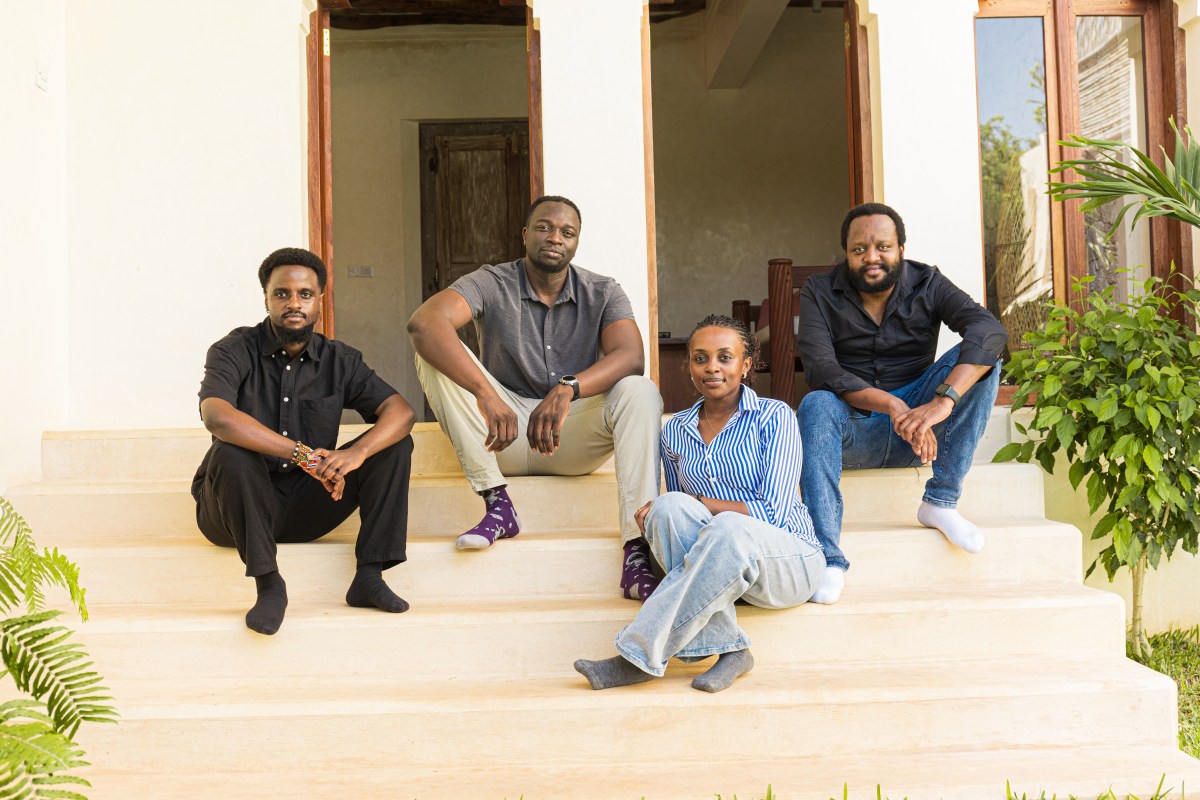
Satlyt, founded by a former Google and SpaceX product manager, has raised 8 million dollars to run artificial intelligence software directly on satellites. The company is developing an open software platform designed to function across hardware from multiple satellite manufacturers, positioning itself as the Android of orbital computing. This model aims to decouple the software layer from the physical satellite hardware, allowing operators to deploy and update artificial intelligence models in orbit without being tied to a single proprietary
Satlyt, founded by a former vs the other, side by side
For primary quotes and complete technical detail, see TechCrunch's original report linked above.
Developer Action Items
- ☐ Map where Google / SpaceX / Android sits in your stack (SDK, API key, billing, data-processing addendum).
- ☐ Hold non-urgent migrations until the integration or use-of-proceeds roadmap is public — day-one coverage is not a ship signal.
- ☐ If you are mid-contract or mid-POC, ask the vendor what changes for existing customers this quarter.
- ☐ Write the single decision this forces: stay, dual-source, or exit.

Author
Dillip Chowdary
Writes Tech Bytes coverage of AI, engineering, and the tools that actually ship. Editor of Tech Pulse Daily.
Related on Tech Bytes
Introducing GPT-6.1 Sol
Read →
Vivo’s X Fold 6 accidentally feels like a throwback
Read →
Valor, Atreides, and Sequoia back AI startup Flow Engineering at $750M valuation
Read →
Spanner Omni, now GA: A distributed, multi-model database that you can deploy anywhere
Read →
Today's Tech Pulse briefing
Full briefing →
Advertisement