Satya Nadella predicts AI agents will reshuffle the economics of the web
Microsoft CEO Satya Nadella told the DealBook Summit that AI agents will upend web advertising, warning that Amazon risks losing retail traffic to Shopify.
By Dillip Chowdary • Nov 19, 2026 • Source: TechCrunch
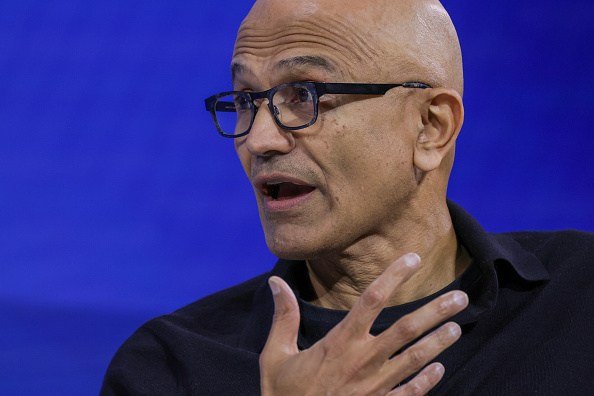
At a glance
- Speaker
- Satya Nadella, CEO of Microsoft
- Event
- The New York Times DealBook Summit
- Date
- November 18, 2026
- Core topic
- AI agents reshuffling internet advertising and commerce
- Retail restriction
- Amazon blocks AI agents from browsing and purchasing
- Alternative platform
- Shopify cited as open alternative for agent commerce
Microsoft Chief Executive Officer Satya Nadella outlined a major realignment for online commercial models during an onstage appearance at The New York Times DealBook Summit on November 18, 2026. Nadella predicted that the expansion of autonomous software agents will systematically dismantle legacy advertising structures built around human web traffic, according to TechCrunch's report. The executive emphasized that digital platforms refusing to accommodate automated agents will rapidly forfeit transaction volume to open competitors.
This analysis details Nadella's commentary on digital economics, the shift from display advertising to direct transactions, and retail storefront access policies. The reporting serves enterprise leaders, e-commerce operators, and digital publishers monitoring how automated purchasing agents affect consumer traffic flows. It examines the operational contrasts between closed storefronts and platforms adopting agent-assisted transactions.
01DealBook Summit address and aggregator disruption
Speaking at The New York Times DealBook Summit, Nadella explained that current web aggregators designed around manual consumer browsing face an inevitable structural reorganization. Companies that monetize human page views and user attention must reconsider how commercial value is captured online. Nadella pointed out that as automated agents intermediate consumer intent, existing traffic aggregation dynamics will experience a profound economic reshuffling across the internet.
The executive stressed that online aggregators established during the desktop and mobile eras rely entirely on eyeball traffic to justify brand ad spend. When consumer research and purchasing decisions migrate from manual browsing to autonomous agents, those aggregation funnels lose their primary utility. Platforms that depend on captive audience dwell time will see their commercial distribution models disrupted by programmatic interaction.
Nadella told the audience that current aggregators with business models engineered strictly for the human web will be reshuffled across the commercial ecosystem. Businesses that fail to anticipate this behavioral divergence risk watching automated agents route demand directly around their portal walls. The shift alters how digital entities pay each other for traffic and completed commercial transactions.
02Portal to search transition and commercial precedents
To contextualize the ongoing transition, Nadella drew a direct parallel to the historical shift from curated web portals like Yahoo to algorithmic search engines like Google. That earlier architectural disruption stripped index portals of their routing power, transferring capital and referral fees to intent-based search indexes. The current movement toward an agentic web introduces a comparable realignment of online traffic payments.
The historical shift demonstrated that portal aggregators could not protect revenue models once users adopted faster search tools. In the emerging paradigm, autonomous software agents act directly on consumer instructions, bypassing search engine result pages entirely. The following comparison illustrates how underlying monetization mechanisms and platform architectures have evolved across these major web eras.
| Web Architecture Era | Representative Platform | Primary Traffic Source | Dominant Monetization Mechanism |
|---|---|---|---|
| Web Portal Era | Yahoo | Manual human browsing | Display advertisements and brand eyeballs |
| Search Engine Era | Intent-driven user queries | Cost-per-click sponsored listings | |
| Agentic Web Era | Autonomous software agents | Programmatic software delegation | Direct transactional fees and checkout completions |
Just as Google redefined referral economics by matching explicit search queries, agentic workflows will redirect consumer settlement mechanics across the web. Software agents do not browse directories or examine banner promotions when executing tasks for individuals. Consequently, platforms that refuse to adapt their technical interfaces will lose access to consumer payment pipelines.
Advertisement
Tech Pulse Daily
Get tomorrow's pulse first
Join engineers who read Tech Pulse before stand-up. Free, weekday mornings.
03Eyeball monetization shift to transactional commerce
Nadella stated that companies previously monetizing web pages through eyeball impressions will likely need to pivot toward cost-per-click performance or transactional revenue. As autonomous software agents manage routine buying workflows, raw view counts become irrelevant to advertisers. The commercial value will concentrate squarely at the moment of task fulfillment, where agents settle purchases on behalf of users.
The shift forces digital publishers and storefronts to reevaluate how they price commercial interactions across their domains. Nadella pointed out that businesses can no longer assume advertising revenue will support passive browsing experiences. In an agentic marketplace, revenue attribution links directly to completed product orders rather than banner exposure or page impressions.
During the summit, Nadella noted that if a platform refuses to accept agent traffic, another competitor will immediately step forward to serve those requests. Merchant acceptance becomes the decisive variable in sustaining transaction volume. Digital properties that restrict automated workflows inevitably forfeit their commercial share to platforms built to support machine-to-machine checkout flows.
04Amazon catalog restrictions and competitive agent access
The conversation at the DealBook Summit specifically addressed Amazon's decision to block AI agents from accessing its retail storefront. Amazon implemented technical restrictions that prevent external software agents from indexing its product catalog or submitting automated purchases for shoppers. This defensive posture seeks to preserve Amazon's direct consumer relationship and its high-margin retail advertising business.
Nadella argued that incumbent retailers trying to protect legacy business models by blocking automation could lose substantial market share to accommodating rivals. If Amazon continues barring software agents from its marketplace, alternative commerce platforms such as Shopify could grant full access and capture emerging volume. Retailers that welcome agent-driven transactions establish an immediate structural advantage with automated consumers.
Note: Amazon currently enforces technical restrictions that prohibit external AI agents from accessing its retail catalog, preventing automated bots from browsing product listings and completing purchases for users. While this policy protects direct customer traffic and ad views, Nadella warned that such resistance enables rival shopping networks to capture displaced purchase volume.
05Defensive business models and retail platform realignment
Nadella observed that market disruptions follow an identical pattern across multiple software and enterprise categories. When companies remain committed to protecting an existing revenue architecture, they are eventually forced to scramble as consumer behavior shifts. The executive stated that clinging to traditional monetization frameworks creates severe operational vulnerabilities when automated technologies alter market access.
The pressure on legacy commerce models will intensify as consumer software increasingly incorporates autonomous buying agents into everyday workflows. Platforms that actively welcome automated purchasing will capture buyer intent before human shoppers ever visit traditional storefronts. Retailers that adapt early can build durable distribution channels that align with programmatic consumer spending habits.
Nadella concluded that the transition to an agent-driven web will fundamentally test commercial flexibility across the technology sector. Organizations must choose whether to maintain defensive access controls or build dedicated infrastructure for software agents. The companies that embrace transactional agent traffic will establish the operational standards for modern internet commerce.
Frequently asked questions
What did Satya Nadella predict about AI agents at the DealBook Summit?
Nadella predicted that AI agents will reshape internet economics by disrupting advertising business models built around human web traffic. He stated that current aggregators will be reshuffled and forced to transition from eyeball ad impressions to transactional or cost-per-click revenue.
Why is Amazon blocking AI agents from its website?
Amazon decided to block AI agents from its retail website to prevent them from browsing its product catalog and executing purchases on behalf of users. The move aims to protect Amazon's direct customer traffic and established business model.
How does the agentic web shift compare to the rise of search engines?
Nadella compared the transition to the historical shift from web portals like Yahoo to search engines like Google. That shift altered who paid for traffic and transactions, just as AI agents are poised to redirect commerce flows today.
What competitive risk does Amazon face by blocking AI agents?
Nadella noted that companies blocking agents could lose market share to competitors that embrace them. For example, if Amazon continues blocking automated agents, platforms like Shopify could allow them and gain a commercial advantage.
Sources

Author
Dillip Chowdary
Writes Tech Bytes coverage of AI, engineering, and the tools that actually ship. Editor of Tech Pulse Daily.
Related on Tech Bytes
Advertisement