Spotify’s is giving you the keys to its recommendation algorithm with US
Spotify is rolling out Taste Profile to Premium users in the U.S., letting listeners see how the streamer understands their tastes and use natural language.
By Dillip Chowdary • Oct 03, 2026 • Source: TechCrunch
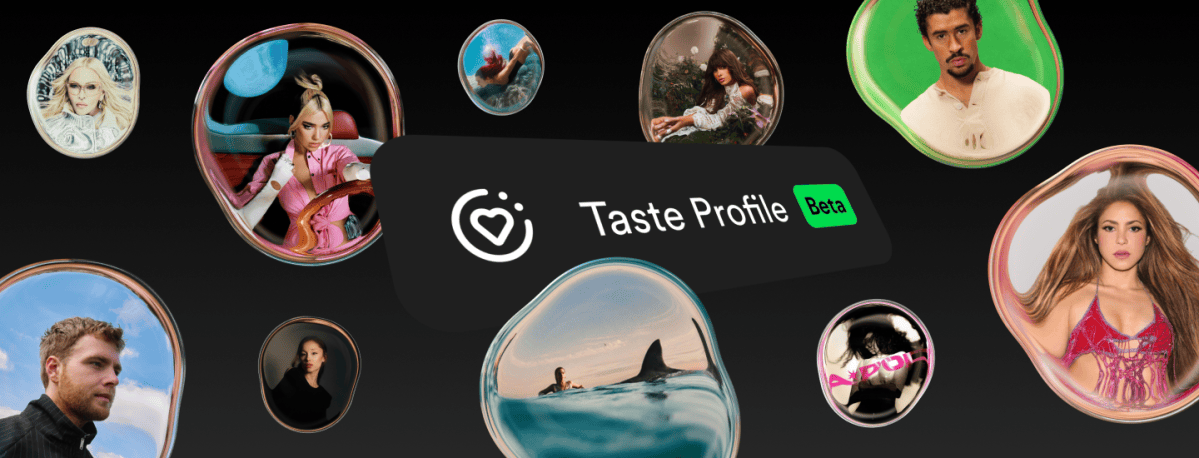
Spotify is opening a window into the recommendation engine that has quietly shaped what millions of listeners hear every day. The company is rolling out a feature called Taste Profile to Premium subscribers in the United States, giving users their first direct look at how the platform has categorized their musical identity — and, crucially, a way to push back against it using plain language.
This piece breaks down exactly what Taste Profile does, how users interact with it, and why the move lands at a particular moment in the ongoing tension between algorithmic curation and listener autonomy. Spotify Premium subscribers in the U.S. and anyone who builds recommendation-adjacent products should read on.
Spotify's is giving you the keys to its: what actually changed
Until now, Spotify's recommendation logic operated as a closed system. Listeners could infer what the platform thought of them by observing what showed up in Discover Weekly or Daily Mixes, but there was no formal channel to inspect or contest those inferences. Taste Profile changes that relationship by surfacing the actual taste signals Spotify has accumulated for each account.
Premium users in the U.S. can now open Taste Profile and see a structured view of how Spotify has profiled their listening — the genres, moods, and sonic characteristics it associates with that account. More significantly, they can use natural language to describe what they want more or less of, and the system adjusts the signals it uses downstream when generating recommendations.
Spotify's is giving you the keys to its: how it works
The natural-language interface is the technical centerpiece of the feature. Rather than requiring users to rate tracks or manually tune sliders, Taste Profile accepts conversational input — a listener can describe a mood, a context, or a preference, and Spotify's backend translates that into updated weighting for the recommendation model. The stated goal is to let listeners reshape their recommendations without needing to understand how collaborative filtering or audio-feature matching work under the hood.
What Spotify has not made explicit is the precise mechanism by which natural language inputs are parsed and mapped to recommendation parameters, or how quickly those changes propagate to surfaces like Discover Weekly and the Home feed. Builders and researchers interested in the system should verify whether the feature's edits affect all recommendation surfaces simultaneously or only specific ones, and how persistent those edits remain over time as listening behavior continues to accumulate.
Advertisement
Tech Pulse Daily
Get tomorrow's pulse first
Join engineers who read Tech Pulse before stand-up. Free, weekday mornings.
Spotify's is giving you the keys to its: why it matters now
Algorithmic transparency has become a live regulatory and consumer-trust issue. Platforms that surface content — music, video, news — face increasing scrutiny over how recommendation systems create feedback loops, suppress certain types of content, or inadvertently narrow what a user encounters over time. Spotify's move to expose and partially open its taste model is a direct response to that pressure, even if the company has not framed it that way publicly.
The timing also coincides with broader industry movement toward explainable AI. Giving users a readable summary of what a model thinks about them, and a correction mechanism, is an early form of the kind of human oversight that regulators in the EU and increasingly in the U.S. have signaled they want to see in automated decision systems. Taste Profile, however limited its current scope, fits that pattern.
Spotify's is giving you the keys to its: who is affected
The feature is available to Spotify Premium subscribers in the United States at launch, which means free-tier users cannot access it. That distinction matters because the listening population that most relies on algorithmic playlists — users who do not curate their own libraries and let Spotify's suggestions drive their sessions — skews toward users who may not have or want a paid subscription. Premium limits the immediate reach of the feature.
For developers and product teams building on Spotify's APIs, Taste Profile does not appear to introduce new public endpoints at this stage. Independent app developers who have used Spotify's recommendation APIs historically have worked around the platform's opacity; whether Taste Profile's underlying preference signals will eventually be exposed to third-party developers remains an open question that Spotify has not addressed in its rollout announcement.
Spotify's is giving you the keys to its: what to watch
The key question going forward is how much genuine influence user edits inside Taste Profile have on actual recommendation output. Spotify's recommendation engine is trained on behavioral signals at scale; a user's explicit text input competing against years of implicit listening data is a meaningful architectural challenge. If the system reverts to pre-edit behavior as new listening data accumulates, the feature's practical value will be limited regardless of how it is marketed.
Observers should also watch whether Spotify extends Taste Profile beyond the U.S. and beyond Premium, and whether the company publishes any transparency documentation about the model's structure. A natural-language interface sitting on top of an undocumented model is transparency theater unless the underlying logic can be independently verified. What Spotify does in the months following this U.S. launch will indicate whether Taste Profile is a substantive shift in how the company relates to its listeners or a consumer-facing layer with limited effect on the system beneath it.
Developer Action Items
- ☐ Verify the claim on the official Spotify giving you keys page (or TechCrunch), not from this recap alone.
- ☐ Name the surface that moved — API, policy, model, hardware, or commercial terms — before you Slack the thread.
- ☐ Assign one owner a day to read the primary material and decide: this-sprint, this-quarter, or noise.
- ☐ Do not change production on day-one coverage. Watch the vendor changelog and one independent write-up first.

Author
Dillip Chowdary
Writes Tech Bytes coverage of AI, engineering, and the tools that actually ship. Editor of Tech Pulse Daily.
Related on Tech Bytes
Squeezer – Use your idle Claude plan window to work through TODOs overnight
Read →
This $199 GPS sports watch is repairable, modular, and open-source
Read →
Claude Code – Fixing the world with one prompt
Read →
Here’s what was announced at Made On YouTube 2026.
Read →
Today's Tech Pulse briefing
Full briefing →
Advertisement