Stop Filming in Log: Comments news update
ARRI introduced the Alexa cinema camera in 2010 featuring Log-C because ARRI raw files were difficult to process in early post-production software.
By Dillip Chowdary • Nov 16, 2026 • Source: digitalfilms.wordpress.com
At a glance
- Author analysis
- Oliver Peters colorist critique
- Initial raw release
- RED Digital Cinema Camera Company in 2007
- Initial log camera
- ARRI Alexa with Log-C profile in 2010
- Early digital films
- Attack of the Clones, Collateral, Zodiac
- Preferred Sony curve
- S-Cinetone over S-Log iterations
- Key delivery limit
- HDR video delivery only when contracted
Film colorist Oliver Peters published a technical analysis cautioning videographers against using logarithmic picture profiles as an on-set crutch, according to digitalfilms.wordpress.com's report. Drawing on years of color grading experience, the report warns that operators frequently underexpose log and raw footage while expecting post-production suites to fix exposure errors.
This breakdown reviews digital camera formats across RED, ARRI, Sony, and Thomson Viper systems while contrasting log workflows with physical film negative and video high dynamic range. It is aimed at working cinematographers and post-production editors seeking consistent color fidelity through properly exposed Rec. 709 profiles rather than uncalibrated log curves.
01Digital cinema origins and early camera formats
RED Digital Cinema Camera Company launched camera raw video recording in 2007 by adopting concepts from still photography. ARRI introduced the Alexa cinema camera in 2010 featuring Log-C because ARRI raw files were difficult to process in early post-production software. Both manufacturers sought wide dynamic range, prompting rival camera makers and Apple iPhones to add log profiles.
Early digital motion pictures achieved critical success without modern log profiles. George Lucas filmed Attack of the Clones on Panavision-modified Sony F900 cameras using standard Rec. 709 color. Thomson Viper FilmStream cameras recorded Collateral, Zodiac, and Benjamin Button, producing an inherent green color cast that required deliberate color correction during the grade.
02Film negative timing and scanner color spaces
Physical motion picture film lacks a direct technical equivalent to video log or raw formats. Film negative is exposed with strict on-set lighting accuracy before laboratory film timers perform photochemical color correction for release prints. Optical timing controls were far less surgical than modern digital grading tools, enforcing strict discipline during production shoots.
Film scanning methods follow separate technical standards from camera log profiles. While film negative can be digitized within the Cineon color space, Cineon differs from digital video log curves. Dedicated scanners like the Blackmagic Design Cintel Scanner generate digital transfers that closely match standard Rec. 709 or high dynamic range video without custom curve conversions.
ARRI's Log-C release inspired competing camera manufacturers to develop proprietary log gammas that each required custom look-up tables to convert footage into Rec. 709. Colorists report mixed results with many third-party profiles. While ARRI and Panasonic curve implementations yield pleasing, consistent color rendition, alternative manufacturer log profiles frequently create grading difficulties in post-production.
03Sony profile curves and camera raw options
| Profile or Format | Originating Vendor | Base Curve Science | Post-Production Characteristics |
|---|---|---|---|
| Log-C | ARRI | Logarithmic curve | Wide dynamic range with dependable manufacturer look-up tables |
| S-Log | Sony | Iterative log curves | Variable grading results requiring strict on-set exposure |
| S-Cinetone | Sony | Modified Rec. 709 | Filmic contrast, deep blacks, soft highlights, rich saturation |
| Camera Raw | RED / Blackmagic | Sensor bayer data | Extensive adjustments possible but optional when exposed for Rec. 709 |
| Rec. 709 | Broadcast standard | Standard display gamma | Consistent baseline contrast, rapid turnaround, minimal correction |
Advertisement
Tech Pulse Daily
Get tomorrow's pulse first
Join engineers who read Tech Pulse before stand-up. Free, weekday mornings.
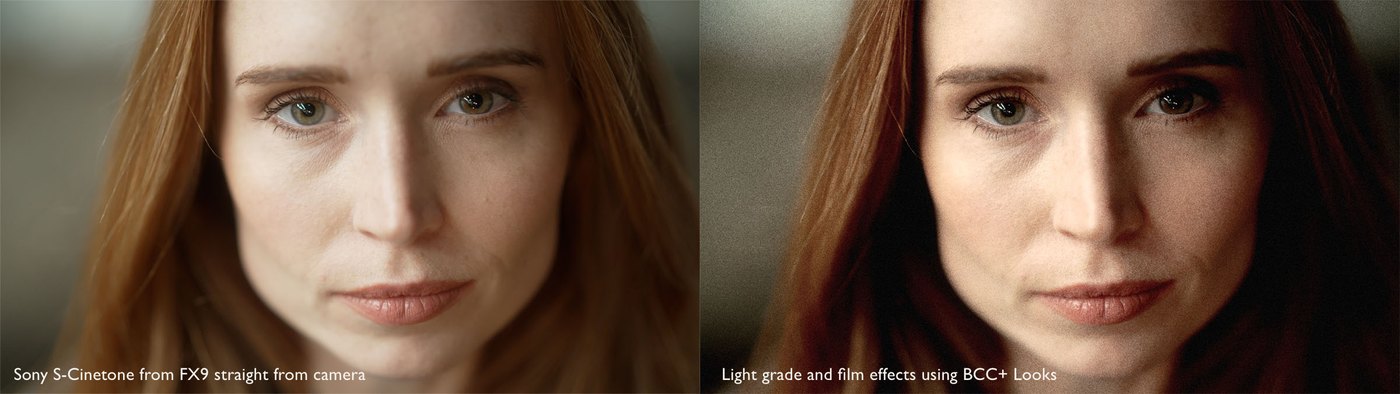
Sony complicated workflows by introducing numerous recording profiles, including camera raw, s709, multiple S-Log versions, S-Cinetone, and standard Rec. 709. Grading S-Log footage remains unpredictable across different projects, often complicating final delivery. Among Sony's available profiles, S-Cinetone delivers the most dependable and attractive images without demanding complex color grading adjustments.
According to the WhoIsMatt website, Sony developed S-Cinetone on a Rec. 709 base curve while integrating filmic tone qualities. The profile applies high contrast in low luminance areas alongside deeper black levels than standard Rec. 709. Low highlight contrast produces softer highlights, while higher low-luminance contrast yields richer, more saturated color.
Camera raw capture primarily centers on RED and Blackmagic Design systems, which have developed separate proprietary processing architectures. While raw recording provides post-production flexibility, adjusting raw settings is not mandatory for well-shot footage. Assets exposed accurately for Rec. 709 specifications align easily in grading suites even if operators leave raw settings untouched.
04Human eye adaptation and high dynamic range
High dynamic range video departs from high dynamic range photography, using distinct sensor science and display processing. The push toward high dynamic range video was driven largely by Dolby and Canon to accelerate hardware display sales. Although modern cameras capture peak brightness exceeding Rec. 709, marketing claims that high dynamic range duplicates human vision are incorrect.
Human vision adjusts dynamically rather than registering extreme light variations simultaneously. When looking from a dark room toward a bright window, the eye adapts to exterior clouds or interior shadows rather than viewing both at peak brightness. High dynamic range monitors force both extremes onto viewers simultaneously, creating uncomfortable viewing experiences.
RED attempted a still-photo approach to high dynamic range capture, but the method never gained widespread adoption. High dynamic range video recording subsequently expanded into smartphones, leading users to upload uncalibrated footage to YouTube. These videos create jarring, hyper-bright playback that becomes difficult to watch in dimly lit environments.
05Standard delivery mandates and low contrast setups
Theatrical feature film distribution rarely uses the aggressive luminance levels promoted in consumer video high dynamic range. Theatrical high dynamic range specifications remain moderate, and major releases seldom adopt extreme mastering passes. Although streaming services like Netflix and YouTube support high dynamic range playback, the format accounts for a minor share of global video output.
Note: Videographers should avoid recording in any video high dynamic range mode unless a client or distributor has specifically contracted delivery of high dynamic range deliverables. Selecting high dynamic range modes without delivery requirements complicates post-production workflows without benefiting standard viewer setups.
Shooting in calibrated Rec. 709 with balanced lighting and a low-contrast profile consistently yields superior results across viewing platforms. Low-contrast Rec. 709 media processes faster in editing suites than uncalibrated log footage, eliminating look-up table conversion errors. Avoiding unnecessary log gammas ensures captured contrast ratios translate reliably onto final delivery screens.
Frequently asked questions
Why do colorists caution against filming in camera log profiles?
Videographers frequently underexpose log-encoded footage under the mistaken assumption that exposure errors can be fixed during post-production. Shooting in standard Rec. 709 under proper lighting produces cleaner images and simplifies grading.
How does Sony S-Cinetone differ from standard Rec. 709?
S-Cinetone utilizes a Rec. 709 base curve with deeper black levels, high contrast in low luminance areas, and softer highlight contrast. This configuration produces filmic qualities and richer color saturation without the grading instability of S-Log.
Is video HDR the same as HDR photography?
Video HDR uses different sensor technology and science than photo HDR, driven largely by display marketing from Dolby and Canon. It forces extreme highlight and shadow luminance onto viewers simultaneously, which does not reflect natural human eye adaptation.
Which cameras introduced camera raw and log video?
RED Digital Cinema Camera Company introduced camera raw video in 2007, borrowing concepts from digital photography. ARRI introduced Log-C on the Alexa in 2010 to provide wide dynamic range without the post-production difficulties of ARRI raw files.
Sources

Author
Dillip Chowdary
Writes Tech Bytes coverage of AI, engineering, and the tools that actually ship. Editor of Tech Pulse Daily.
Related on Tech Bytes
Advertisement