Tech Companies Are Trying to Shift the Concept of Privacy (Again)
Meta, Google, Apple, and Amazon deployed ambient AI glasses, transcription watches, and recording devices that shift surveillance risks onto bystanders.
By Dillip Chowdary • Nov 15, 2026 • Source: eff.org
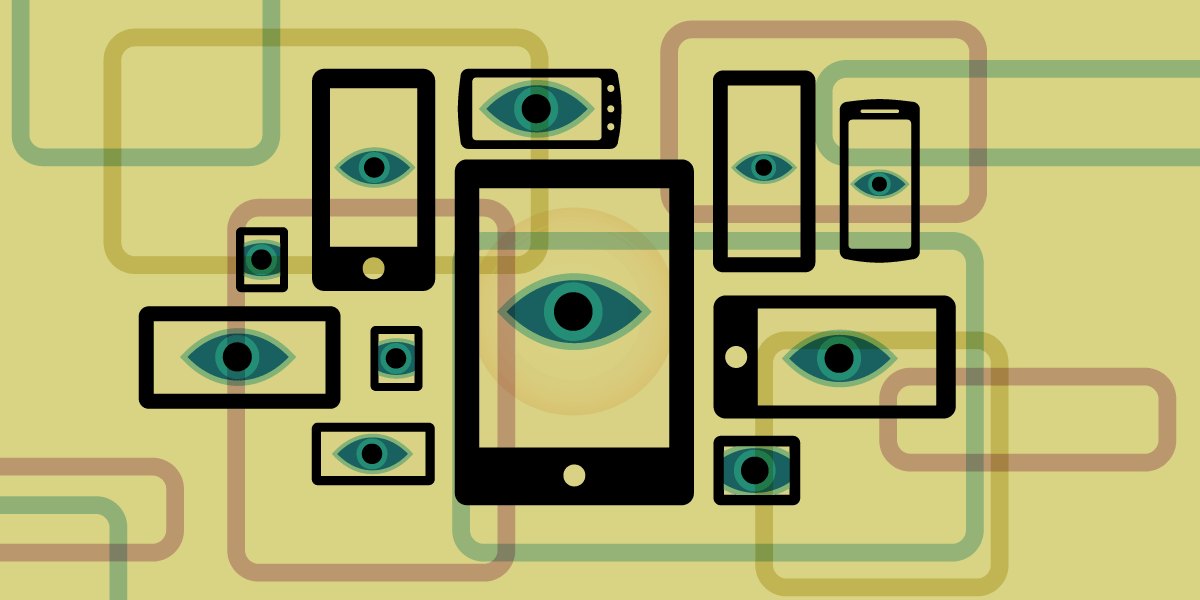
Major hardware manufacturers including Meta, Google, Apple, and Amazon have launched consumer devices designed for continuous ambient audio and visual capture. According to eff.org's report, Meta and Google deployed camera-equipped smart glasses with artificial intelligence, Apple introduced its beta Audio Intelligence transcription feature for Apple Watch, and Amazon released Bee recording hardware. Alongside wearable rings and audio pendants from emerging startups, these ambient systems passively record, transcribe, and summarize everyday speech and surroundings.
This analysis details how ambient consumer devices shift the burden of privacy away from buyers and onto unconsenting bystanders across workplaces, social gatherings, and public spaces. It examines the technical architecture claims, legal realities, and social consequences of continuous monitoring for consumers and privacy advocates. Readers will discover the gap between corporate privacy marketing and the lack of protections for bystanders who cannot opt out.
01Technical white papers and user privacy promises
Hardware manufacturers frame user protections around technical white papers and customizable toggles while leaving non-users exposed. Apple points to white papers detailing architecture barriers separating Apple Watch sensor logs from corporate servers. Meta promotes customizable settings and automatic face blurring when users interact with Meta AI through smart glasses, though standard optical recording leaves bystander faces entirely unblurred.
Google mirrors these selective privacy controls across its smart eyewear, while Amazon assures buyers that Bee devices keep owners in control without storing audio. However, Amazon also allows customers to enable Amazon store integration, which uses spoken conversations to serve targeted advertisements. These vendor privacy frameworks protect only the purchasing customer, offering no mechanical defense or opt-out mechanism for bystanders.
Non-users captured by smart eyewear, pendants, or audio watches have no technical barrier preventing their spoken words or visual likeness from entering another person's device ecosystem. The device purchaser determines the recording boundary, leaving colleagues and family members entirely dependent on the owner's discretion. This technical gap demonstrates that consumer privacy promises currently cover device owners rather than the community around them.
02Microphone conversion and law enforcement access
Apple Audio Intelligence and Amazon Bee operate similarly to continuous recording microphones, regardless of corporate claims that audio is not permanently preserved. Both products use hardware microphones to capture acoustic sound from live conversations and process it into structured summaries or text transcripts before discarding raw audio. Even when audio files vanish, the generated transcripts preserve a persistent digital record of private speech.
Advertisement
Tech Pulse Daily
Get tomorrow's pulse first
Join engineers who read Tech Pulse before stand-up. Free, weekday mornings.
Google embeds a responsible use section in its Terms of Service, requiring buyers to agree not to record others without permission or inside sensitive locations. Contractual obligations shift compliance entirely onto users while providing no real-time enforcement for bystanders. Furthermore, history shows that law enforcement routinely compels companies to disclose archived customer summaries, transcripts, and audio whenever such records exist.
03Passive recording and broken conversational norms
Pervasive background documentation undermines the spontaneity and trust that underpin ordinary personal conversations. Traditional documentation using smartphones, cameras, camcorders, cassette recorders, or pen and paper requires obvious, deliberate physical actions that notify everyone present. Passive ambient devices, by contrast, are deliberately engineered to blend into everyday wardrobes and record continuously without signaling active surveillance.
Consumer recording algorithms lack the human ability to interpret nuanced social context across different physical environments. While taking notes during an employer meeting fits workplace expectations, recording and summarizing a friend's private conversation about divorce violates fundamental social agreements. Wearable recorders apply identical processing whether an owner stands on a street corner, visits a doctor's office, enters a bathroom, attends a protest, or exercises at a gym.
04Bystander phone notifications and social friction
Developing technical mechanisms to alert bystanders about nearby recording devices has introduced significant social friction. Google conducted experimental tests with a proximity system designed to push alerts directly to people's smartphones when nearby hardware initiated recording. Rather than protecting the public, broadcasting automatic phone notifications to nearby individuals created awkward confusion and social distress.
Google senior director of product management Juston Payne addressed this limitation during a conversation with CNN, noting that alerting bystanders is weirdly disempowering. Payne explained that receiving a phone notification leaves individuals unsure of what action they are supposed to take. Expecting ordinary citizens to recognize unfamiliar smart glasses, audio rings, or transcription pendants in public places is entirely unreasonable.
05Beta feedback channels and consumer pushback
Hardware categories promoted as inevitable frequently collapse as vaporware when the broader public rejects continuous ambient tracking. Consumers and bystanders can influence product design by challenging corporate assumptions and engaging during active testing phases. Apple launched its Audio Intelligence tools in beta to collect feedback, allowing testers to submit critiques through feedback forms and the Feedback Assistant application.
Pushing back against products from Meta, Google, and Amazon requires direct personal engagement and social boundary setting. Individuals can politely address acquaintances who wear recording hardware in uncomfortable situations to establish conversational boundaries, while reporting abusive footage on social networks. Device owners must also seek active consent and restrict ambient listening to appropriate social moments where recording makes practical sense.
Tech Companies Are Trying to Shift FAQ
What ambient recording features are tech companies releasing?
Meta and Google launched smart glasses equipped with cameras and artificial intelligence to record or describe surroundings. Apple introduced its beta Audio Intelligence feature on Apple Watch for daily transcription, while Amazon released Bee devices that record and transcribe all day.
How do Amazon Bee and Apple Audio Intelligence handle recorded audio?
Both tools capture raw acoustic sound with a microphone to generate transcripts and summaries before discarding the raw audio. Amazon also offers store integration that lets conversations result directly in targeted advertisements.
Why did Google's bystander notification experiments prove problematic?
Google tested sending phone alerts to people when someone nearby was recording, but senior director Juston Payne told CNN the system felt disempowering. Alerted bystanders were left unsure of what defensive action they could take against nearby surveillance.
How can consumers provide feedback on Apple Audio Intelligence?
Apple launched Audio Intelligence in beta specifically to collect user impressions. Users can submit privacy concerns and critiques directly through Apple's feedback forms or the Feedback Assistant application.
Sources

Author
Dillip Chowdary
Writes Tech Bytes coverage of AI, engineering, and the tools that actually ship. Editor of Tech Pulse Daily.
Related on Tech Bytes
Advertisement