TechCrunch Mobility: The Cybertruck experiment is over
Tesla will halt Cybertruck production next year following roughly 71,000 sales, while drone delivery startup Zipline raised $1.5 billion at a $21.5B valuation.
By Dillip Chowdary • Nov 08, 2026 • Source: TechCrunch
Tesla will halt Cybertruck production next year following disappointing commercial sales, ending its high-profile stainless-steel pickup experiment. As detailed in TechCrunch's report, chief executive Elon Musk confirmed the vehicle's retirement after delivering only an estimated 71,000 units since November 2023. The retreat accompanies major funding rounds and commercial shifts across the transportation sector.
This briefing analyzes the automotive and autonomy landscape for fleet managers, enterprise logistics operators, and technology investors. It details the range and pricing hurdles that ended Tesla's pickup, Zipline's 1.5 billion dollar expansion with Walmart, new commercial delivery pacts between Amazon and Uber Eats, and military autonomy evaluations overseen by the Department of Defense.
TechCrunch Mobility: what actually changed
Tesla chief executive Elon Musk confirmed Friday that the company will halt Cybertruck production next year. When the vehicle was first unveiled almost seven years ago, head designer Franz von Holzhausen threw a metal, baseball-sized ball at the driver-side window, cracking two panes on stage while Musk chuckled. Although Musk stated during Tesla’s third-quarter 2023 earnings call that reservations reached one million units, actual sales fell far short. Industry experts estimate that only about 71,000 Cybertrucks have been sold since deliveries commenced in November 2023.
Beyond Tesla, substantial capital reshaped autonomous delivery and vehicle manufacturing. Drone delivery startup Zipline announced a 1.5 billion dollar funding round and a 21.5 billion dollar valuation, while expanding its partnership with Walmart to add 300 drone delivery sites across the United States. Earlier in 2026, Zipline raised 600 million dollars and added 200 million dollars in Series H funding for four cities. Meanwhile, electric truck startup Harbinger secured a 240 million dollar Series D round, and Humble Robotics raised 51 million dollars in Series A.
TechCrunch Mobility: how it works
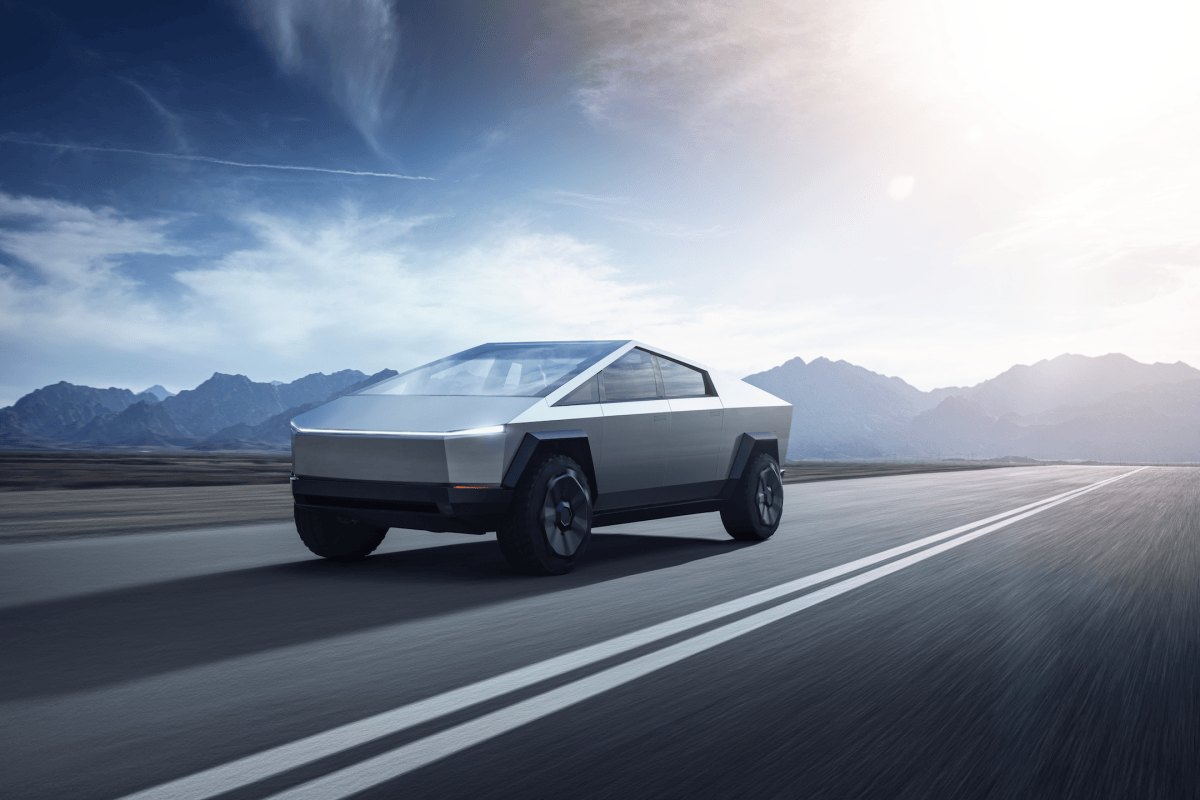
The Cybertruck struggled commercially because production units failed to deliver on core technical and economic promises. During its initial reveal, Musk pledged that the electric pickup would achieve a 500-mile driving range and carry a base price tag below 40,000 dollars. As noted by senior reporter Sean O'Kane, the vehicle reached neither milestone. With its unconventional, postapocalyptic stainless-steel styling appealing primarily to a niche enthusiast market, practical range limits and higher purchasing costs prevented the vehicle from turning one million reservation deposits into sustainable mass-market fleet adoptions.
Autonomous hardware development is progressing through enterprise infrastructure models and federal challenge frameworks. Sidewalk robot operator Serve Robotics announced plans to launch a business line titled Physical AI Services, allowing the firm to supply technology to external robot builders while maintaining its delivery operations. In the defense sector, May Mobility and Forterra advanced to phase three of the Department of Defense Robotic Operations for Autonomous Delivery and Sustainment prize challenge, testing commercial self-driving technology for military supply missions under structured operational parameters.
Advertisement
Tech Pulse Daily
Get tomorrow's pulse first
Join engineers who read Tech Pulse before stand-up. Free, weekday mornings.
TechCrunch Mobility: why it matters
Shifts among autonomous vehicle operators and transit platforms demonstrate how autonomy relationships are evolving away from closed ecosystems. Waymo confirmed it will end its operating exclusivity with Uber in Austin and Atlanta starting in January 2028, altering regional robotaxi distribution. Meanwhile, consumer artificial intelligence booking tools remain largely unproven in real-world transit. Uber revealed during its third-quarter earnings call that passengers booked only four rides through an artificial intelligence agent during its busiest operating week in October, which coincided with the annual Halloween rush.
Strategic realignments also reflect tightening capital priorities among mobility startups and major delivery providers. Amazon designated Uber Eats as its official restaurant delivery partner for Prime members across the United States, effectively ending its previous commercial agreement with Grubhub. In micromobility, startup Also, which spun out of Rivian in 2025, abandoned an electric two-wheeler pilot in Kenya earlier this year to focus resources on consumer e-bikes and autonomous vehicles. In luxury automotive, Ferrari reported that its first electric vehicle, the Luce, is fully allocated for 2027.
TechCrunch Mobility: who is affected
Tesla customers and commercial retail consumers face immediate operational adjustments across several key markets. Prospective truck buyers who placed deposits on the Cybertruck must look elsewhere as production concludes next year with only 71,000 vehicles delivered. Meanwhile, American Amazon Prime members now transition to Uber Eats for included restaurant delivery perks as Grubhub loses access. At the same time, suburban and regional retail shoppers will gain expanded aerial delivery options as Walmart and Zipline build out 300 automated drone delivery locations across the country.
Automotive consumers and transport journalists are also directly impacted by new vehicle standards and reporting transitions. Ford unveiled an explicit privacy promise and an educational website to help customers understand and configure vehicle data settings. Across the mobility beat, senior reporter Sean O'Kane is departing TechCrunch to cover Tesla for the Wall Street Journal. O'Kane previously broke scoops on Jeff Bezos backing Slate Auto, Jony Ive’s LoveFrom designing the Also e-bike, Fisker’s corporate troubles, and Waymo’s coordination with emergency first responders.
TechCrunch Mobility: what to watch
Market observers should monitor how Tesla reallocates factory manufacturing capacity once Cybertruck assembly ceases in 2027. Tracking will also center on luxury electric vehicle demand as Ferrari prepares to deliver its fully allocated Luce model to customers in 2027. In urban robotaxi networks, industry watchers must follow Waymo as it approaches January 2028, when the autonomous vehicle company officially concludes its exclusive Uber partnership across Austin and Atlanta, opening the door for multi-platform dispatching and independent regional rideshare fleet services.
Autonomous deployment milestones will also depend on federal defense decisions and aerial logistics execution. Observers should track Zipline’s timeline for launching 300 Walmart drone delivery hubs alongside its expansion across four American cities. In defense technology, results from phase three of the Department of Defense ROADS prize challenge will determine future military deployments for May Mobility and Forterra. Finally, industry analysts will watch whether Serve Robotics signs third-party hardware clients for its Physical AI Services while AI ride bookings expand beyond four weekly trips.
Developer Action Items
- ☐ Map where Amazon / Tesla sits in your stack (SDK, API key, billing, data-processing addendum).
- ☐ Hold non-urgent migrations until the integration or use-of-proceeds roadmap is public — day-one coverage is not a ship signal.
- ☐ If you are mid-contract or mid-POC, ask the vendor what changes for existing customers this quarter.
- ☐ Write the single decision this forces: stay, dual-source, or exit.
TechCrunch Mobility FAQ
When will Tesla stop producing the Cybertruck?
Tesla chief executive Elon Musk announced that the company will halt Cybertruck production next year, with industry experts estimating roughly 71,000 units sold since deliveries began in November 2023.
How much funding did Zipline raise and what is its valuation?
Zipline raised 1.5 billion dollars at a 21.5 billion dollar valuation while expanding its Walmart partnership to deploy 300 drone delivery hubs across the United States.
When does Waymo's exclusivity with Uber end in Austin and Atlanta?
Waymo will end its exclusive operating arrangement with Uber in both the Austin and Atlanta markets beginning in January 2028.
What partnership did Amazon announce for Prime restaurant delivery?
Amazon designated Uber Eats as its official restaurant delivery partner for Prime members in the United States, concluding its previous agreement with Grubhub.
Sources

Author
Dillip Chowdary
Writes Tech Bytes coverage of AI, engineering, and the tools that actually ship. Editor of Tech Pulse Daily.
Related on Tech Bytes
Advertisement