Tesla’s Cybercab Is the Subscription Hell They Told You Not to Worry About
Tesla invited select customers to buy the steering-wheel-free Cybercab for $29,900 ahead of December deliveries with a mandatory $299 monthly autonomy fee.
By Dillip Chowdary • Nov 17, 2026 • Source: Wired
At a glance
- Product
- Tesla Cybercab
- Base price
- $29,900 purchase price
- Autonomy fee
- $299 per month subscription
- Delivery date
- December rollout
- Availability
- Select customers in parts of Florida and Texas
- Operating limits
- Personal use only with no manual controls
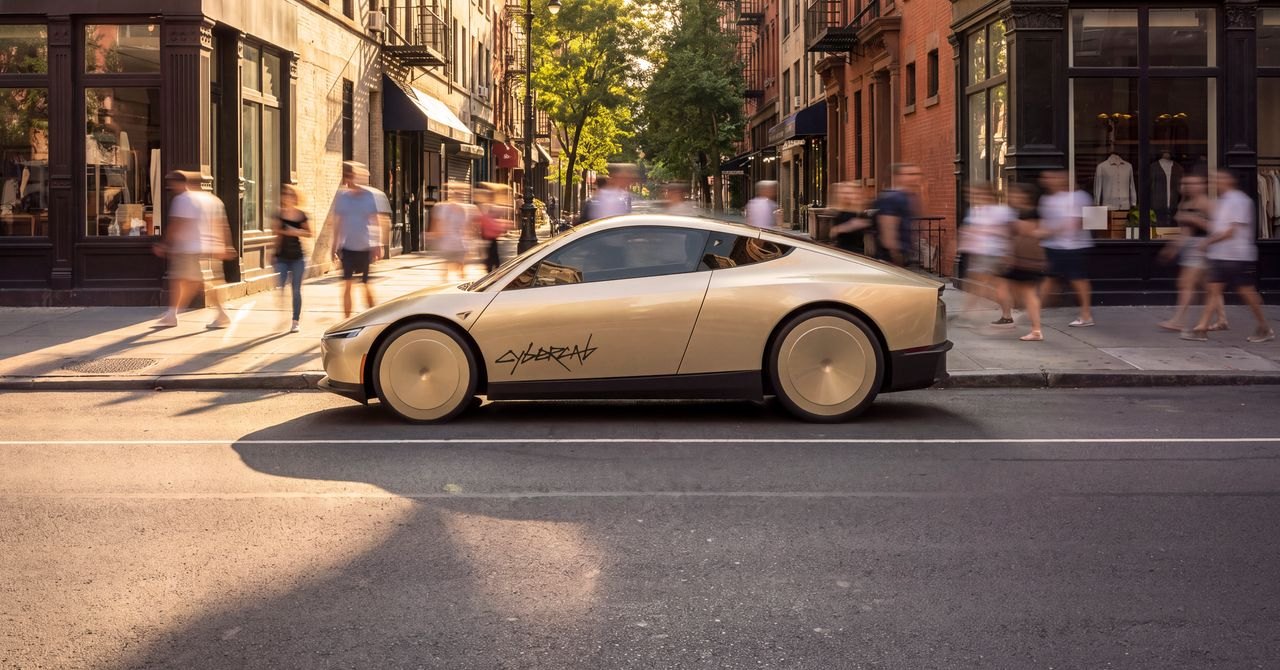
Tesla opened customer purchase reservations for its autonomous Cybercab on a recent Friday night, offering early buyers delivery slots scheduled for December. As detailed in Wired's report, the two-seat gold vehicle lacks traditional driver controls like steering wheels and brake pedals, relying entirely on autonomous software. The rollout represents an unconventional step in the autonomous vehicle industry, where rivals have kept driverless vehicles confined strictly to closed corporate fleets.
This report breaks down the purchase pricing, mandatory recurring subscription costs, regional operational limits, and safety investigations shaping Tesla's consumer robotaxi rollout. It provides essential analysis for electric vehicle buyers, fleet operators, automotive industry analysts, and transportation regulators tracking how autonomous technology is redefining personal car ownership. The analysis highlights the legal, financial, and operational trade-offs buyers face when acquiring a personal vehicle that depends entirely on continuous vendor software access.
01Gold two-seater release and purchase invitations
Tesla invited select customers to reserve the gold two-seat Cybercab for an upfront purchase price of $29,900, with initial deliveries slated for December. The custom-built vehicle omits both steering wheels and brake pedals, relying entirely on autonomous driving software. As reported by Tesla, the early rollout represents a limited release, though the automaker did not reveal how many total reservation invitations were issued.
The consumer ownership model contrasts with existing commercial robotaxi operations in the United States.
| Company | Vehicle Model | Consumer Purchase | Service Model | | Tesla | Cybercab | Available for $29,900 purchase | Private ownership with mandatory subscription | | Alphabet | Waymo | Not available for purchase | Commercial ride-hail network | | Amazon | Zoox | Not available for purchase | Commercial ride-hail network |
Automotive industry analysts questioned the true nature of customer ownership under this structure. Ivan Drury, the director of insights at Edmunds, observed that buyers will never truly own the vehicle in the traditional sense. Drury compared the purchase to paying thirty thousand dollars to buy into a corporate franchise rather than acquiring standard private transportation.
02Mandatory autonomy fees and operational shutoff conditions
Documentation published on Tesla's website confirms that the vehicle will not operate without an ongoing autonomy subscription priced at $299 monthly. If an owner fails to pay the fee on time and in full, the self-driving systems immediately shut down. Because the vehicle lacks manual pedals and steering controls, non-payment completely immobilizes the car.
Tesla's terms also dictate strict operational and regional boundaries that cause the vehicle to stop working. Cybercab operations are currently restricted to designated areas within Florida and Texas cities, and operating outside those territories disables the vehicle. Furthermore, driving systems cease operating if cellular connectivity is lost, with Tesla disclaiming responsibility for carrier outages, spectrum failures, or environmental interference.
Tesla also reserves the right to suspend or cancel subscriptions if owners engage in unauthorized or inappropriate conduct. Access can be restricted at any time across specific road types, locations, weather conditions, or security considerations. Simultaneously, United States safety regulators are investigating the vehicle to determine how Tesla plans to meet federal safety standards without standard mechanical systems.
Advertisement
Tech Pulse Daily
Get tomorrow's pulse first
Join engineers who read Tech Pulse before stand-up. Free, weekday mornings.
03Software services revenue and consumer ownership backlash
Automakers view software-defined vehicles as an avenue to capture recurring monthly subscription revenue similar to digital streaming platforms. Over-the-air updates permit manufacturers to sell ongoing services to vehicle owners, yielding software-style profit margins that exceed traditional manufacturing returns. A 2024 industry report projected that connected-car features could eventually represent a $200 billion global market.
General Motors capitalized on this business model by generating $2.7 billion in subscription revenue last year through its OnStar and Super Cruise offerings. Tesla has likewise sold digital connectivity packages and driver-assist capabilities for over a decade. As Tesla prioritizes robotics and autonomous systems, subscription fees are poised to form the foundation of its consumer operations.
Recurring fees on factory equipment have faced intense consumer resistance. In 2022, BMW introduced monthly fees for pre-installed heated seats in select countries, prompting public outcry that forced the company to abandon hardware activation subscriptions. Drury noted that consumers strongly dislike being nickel-and-dimed for subscriptions, especially when applied to equipment already built into their automobiles.
04Depot service travel and maintenance coverage limits
In exchange for the monthly autonomy subscription, Tesla provides Cybercab owners with ongoing maintenance services. The bundle covers remote support, roadside assistance, and periodic replacements for tires, air filters, and windshield wiper blades. The agreement also provides routine tire and camera inspections, though Tesla notes that covered service offerings may change over time.
The operating agreement specifies that Cybercabs can travel autonomously and unoccupied directly to a Tesla service center when maintenance is required. This depot routing allows vehicles to complete scheduled inspections and repairs without requiring owner accompaniment. However, the monthly autonomy subscription fee does not cover automotive insurance, which owners must acquire independently to remain legally compliant.
Note: Operational territory remains limited to select portions of cities in Texas and Florida, with Tesla reserving the right to expand, contract, or relocate coverage zones at any time. The company is not liable for carrier outages or environmental interference that interrupts connectivity and halts self-driving functionality.
05Commercial network bans and child passenger restrictions
Tesla's purchase agreement specifies that the Cybercab is restricted strictly to personal use. Although Chief Executive Officer Elon Musk previously described opportunities for owners to earn income on Tesla's wider Robotaxi network during downtime, the contract expressly prohibits commercial ride-hailing. That restriction stands even though Tesla currently operates commercial robotaxi rides across portions of eight American cities.
The agreement also bars owners from selling or transferring the Cybercab without Tesla's prior written consent. Strict passenger rules govern cabin occupancy as well. Tesla advises against children under the age of 13 riding in the vehicle and prohibits any minor from traveling without an adult present inside the passenger compartment.
Musk commented on the commercial terms in a post on X, acknowledging that the initial $299 monthly price for autonomy is too high. Musk suggested that the monthly charge should be closer to approximately $115 per month instead. Until contract terms change, however, early reservation holders face the higher monthly rate to keep their vehicles operational.
Frequently asked questions
How much does the Tesla Cybercab cost to buy and operate?
The Cybercab carries an initial purchase price of $29,900 for invited customers. Operating the vehicle requires an ongoing autonomy subscription fee that starts at $299 per month.
Can the Tesla Cybercab be driven manually without a subscription?
No, the Cybercab does not have a steering wheel or brake pedals and relies exclusively on software. If an owner does not pay the autonomy subscription on time and in full, the vehicle will not operate.
Can owners use the Cybercab on commercial ride-hailing networks?
No, the current ownership agreement restricts the vehicle strictly to personal use. Tesla prohibits owners from putting their Cybercabs on its wider Robotaxi network or transferring the vehicle without written consent.
Where is the Tesla Cybercab currently permitted to operate?
Operation is currently restricted to portions of select cities located in Florida and Texas. Tesla reserves the right to expand, contract, or relocate approved operational areas at any time.
Sources

Author
Dillip Chowdary
Writes Tech Bytes coverage of AI, engineering, and the tools that actually ship. Editor of Tech Pulse Daily.
Related on Tech Bytes
Advertisement