The 16GB Raspberry Pi 5 got another ‘unavoidable’ RAM price hike
The 16GB Raspberry Pi 5 now costs $385 following an $80 price hike driven by global DRAM supply shortages, more than tripling its original $120 launch price.
By Dillip Chowdary • Nov 02, 2026 • Source: The Verge
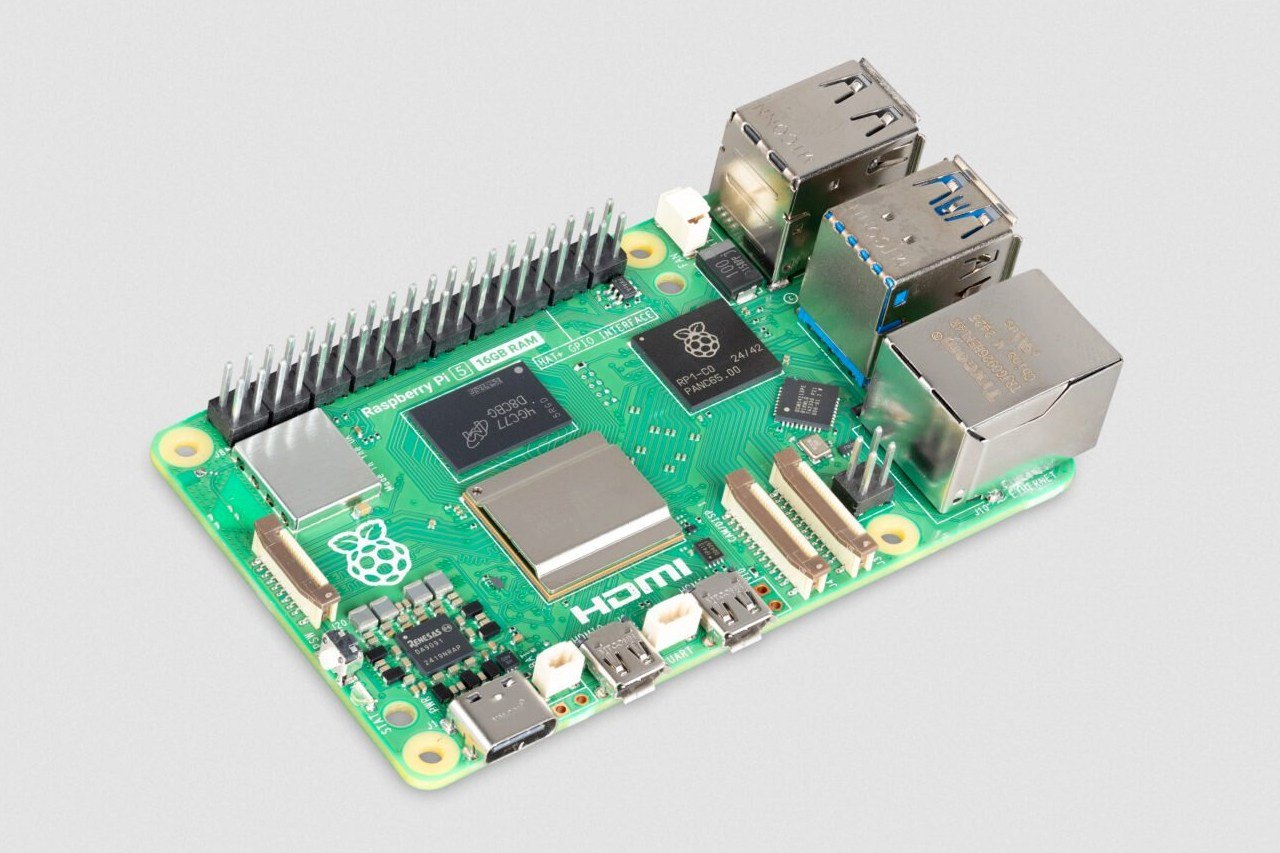
Raspberry Pi instituted an $80 price hike on the top configuration of the Raspberry Pi 5 with 16GB of RAM, raising its price to $385 amid an ongoing global memory shortage. As detailed in The Verge's report, this configuration launched at $120, and now costs over triple that price. The 16GB versions of the Raspberry Pi Compute Module 5 also received a $40 price hike.
This breakdown details the causes behind the steep hardware price revisions, covering component constraints, costs across affected models, and official procurement recommendations from leadership for developers, makers, and enterprise integrators. It explains how high memory costs pushed this single-board system into price parity with desktop mini personal computers.
16GB Raspberry Pi 5 got another ‘unavoidable’: what actually changed
The retail price for the flagship Raspberry Pi 5 configured with 16GB of RAM climbed by $80, establishing a new official price point of $385. That increase means the top configuration now costs more than three times its initial $120 launch price. Meanwhile, the 16GB versions of the industrial Raspberry Pi Compute Module 5 received a $40 price hike, bringing their new price range to between $375 and $415 depending on the specific module variant selected by the customer. These steep revisions demonstrate how component spikes transformed platform costs.
These new numbers build on earlier pricing shifts that began hitting the product catalog earlier this fall. Just last month, the entry-level 2GB version of the Raspberry Pi 5 also received a price hike, showing that cost pressures are not confined entirely to top-tier memory components. Hardware buyers purchasing multiple units or planning commercial deployments must now allocate significantly higher budgets for both standalone experimentation boards and modular compute units built for integrated commercial hardware across both personal prototyping and industrial equipment installations.
16GB Raspberry Pi 5 got another ‘unavoidable’: how it works
The primary operational cause behind the price hikes is a severe lack of alternative supply for 16GB DRAM silicon, coupled with ongoing shortages for other supporting components. Raspberry Pi CEO Eben Upton addressed the situation directly, stating that though these increases are unavoidable, we know they are unwelcome news for our customers. Without alternative component suppliers capable of meeting manufacturing demand at sustainable prices, the company passed rising procurement expenses directly into hardware pricing rather than absorbing mounting losses on high-capacity memory boards.
To help mitigate the cost increase for hardware builders, company leadership suggested adjusting memory specifications whenever feasible. Upton explicitly stated, “We encourage you to make sure you’re not paying for more memory than you need.” Upton recommended using Raspberry Pi models with less memory or turning to older Pi models as direct alternatives to the pricey 16GB model, ensuring developers only purchase high-capacity DRAM configurations when software requirements strictly demand it rather than buying top-tier boards out of default convenience.
Advertisement
Tech Pulse Daily
Get tomorrow's pulse first
Join engineers who read Tech Pulse before stand-up. Free, weekday mornings.
16GB Raspberry Pi 5 got another ‘unavoidable’: why it matters now
At a retail price of $385, the 16GB Raspberry Pi 5 is now nearing the price of a desktop mini PC. The Raspberry Pi ecosystem historically established its reputation on providing affordable, low-cost computing hardware accessible to students, tinkerers, and developers worldwide. When a bare development board approaches the four-hundred-dollar threshold without accessories, buyers must weigh its specialized general-purpose input and output capabilities directly against the finished enclosures, power supplies, cooling, and computing performance offered by compact consumer personal computers.
The pricing action also reflects a tightening global memory crisis affecting hardware companies across multiple consumer segments. On October 28, Apple raised student pricing for the MacBook Neo again due to component costs. On October 29, Samsung projected the ongoing RAM shortage will last until at least 2028. Additionally, on October 30, Sam Altman remarked that it is better for RAM to be in a data center than on your desk, highlighting intense enterprise competition for memory silicon that continues to squeeze consumer availability.
16GB Raspberry Pi 5 got another ‘unavoidable’: who is affected
Developers and hobbyists running memory-intensive edge computing workloads, home automation servers, and self-hosted software platforms feel the immediate financial impact of this $80 increase. While previous single-board iterations offered budget-friendly entry points for testing high-capacity memory applications, the new $385 price tag represents a substantial investment. Independent developers must now evaluate whether to optimize software footprints to fit within smaller memory tiers or accept significantly higher capital outlays for physical development hardware when building standalone embedded projects across home and laboratory environments.
Commercial clients and equipment manufacturers integrating the Raspberry Pi Compute Module 5 also face immediate margin compression across active production lines. With 16GB Compute Module 5 hardware now commanding between $375 and $415 following their $40 hike, companies must absorb added costs or adjust customer pricing. Because the entry-level 2GB Raspberry Pi 5 also saw price hikes last month, developers across all project tiers must navigate an increasingly expensive hardware lineup when planning future product rollouts and hardware support commitments.
16GB Raspberry Pi 5 got another ‘unavoidable’: what to watch
The most critical factor to watch going forward is whether component market supply conditions improve enough to enable promised price rollbacks across single-board computer hardware lines. Raspberry Pi leadership expressed a clear intention to reverse the recent pricing increases whenever component market conditions normalize. Upton reiterated the company's plans to reverse the price hikes, saying, “the current memory landscape is difficult but ultimately temporary, and we look forward to rolling back our price increases when memory costs fall once again.”
However, prospective buyers must evaluate those rollback hopes against longer-term semiconductor industry forecasts. With Samsung expecting the RAM shortage to persist until at least 2028, relief may not arrive quickly for single-board computer enthusiasts. System architects should monitor DRAM production capacity, enterprise data center memory demand, and availability across the remaining 2GB and mid-tier Raspberry Pi 5 models to determine whether prices stabilize or face further upward pressure across the broader embedded computing ecosystem over upcoming quarters and planning cycles.
Developer Action Items
- ☐ Verify the claim on the official GB Raspberry Pi got page (or The Verge), not from this recap alone.
- ☐ Name the surface that moved — API, policy, model, hardware, or commercial terms — before you Slack the thread.
- ☐ Assign one owner a day to read the primary material and decide: this-sprint, this-quarter, or noise.
- ☐ Do not change production on day-one coverage. Watch the vendor changelog and one independent write-up first.
16GB Raspberry Pi 5 got another ‘unavoidable’ FAQ
Why did the 16GB Raspberry Pi 5 increase in price?
The price rose by $80 because of an ongoing global RAM shortage and a lack of alternative supply for 16GB DRAM silicon, alongside shortages for other hardware components.
How much does the 16GB Raspberry Pi 5 cost now compared to its original launch price?
The 16GB Raspberry Pi 5 now costs $385, which is more than three times its introductory launch price of $120.
Did other Raspberry Pi configurations receive price hikes?
Yes, 16GB editions of the Raspberry Pi Compute Module 5 received a $40 hike to cost between $375 and $415, and the 2GB Raspberry Pi 5 received a price hike last month.
Does Raspberry Pi plan to reverse the price increase?
CEO Eben Upton stated the situation is temporary and confirmed the company plans to roll back price increases when memory costs fall once again.
Sources

Author
Dillip Chowdary
Writes Tech Bytes coverage of AI, engineering, and the tools that actually ship. Editor of Tech Pulse Daily.
Related on Tech Bytes
Advertisement