The Netherlands Is Dismantling the International Criminal Court
The Netherlands is negotiating with the US to curtail ICC jurisdiction and shield foreign leaders under pressure from sanctions taking effect on 7 April 2027.
By Dillip Chowdary • Nov 14, 2026 • Source: rightsforum.org
The Dutch government has entered bilateral negotiations with the United States to enact structural concessions that would substantially curtail the statutory powers of the International Criminal Court. According to diplomatic sources in New York cited in rightsforum.org's report, Dutch officials are evaluating core jurisdictional rollbacks in an effort to defuse aggressive American economic sanctions. The discussions aim to compromise on long-standing legal mandates established under the Rome Statute to shield foreign leaders from global accountability.
This analysis breaks down the three proposed statutory restrictions, the stringent voting thresholds required for formal treaty revision, and the pending enforcement deadline for American secondary sanctions. It is written for policy analysts, international legal practitioners, and observers tracking the operational integrity of multilateral institutions facing extraterritorial sanctions pressure.
01Immunity Provisions and Non-State Party Jurisdiction
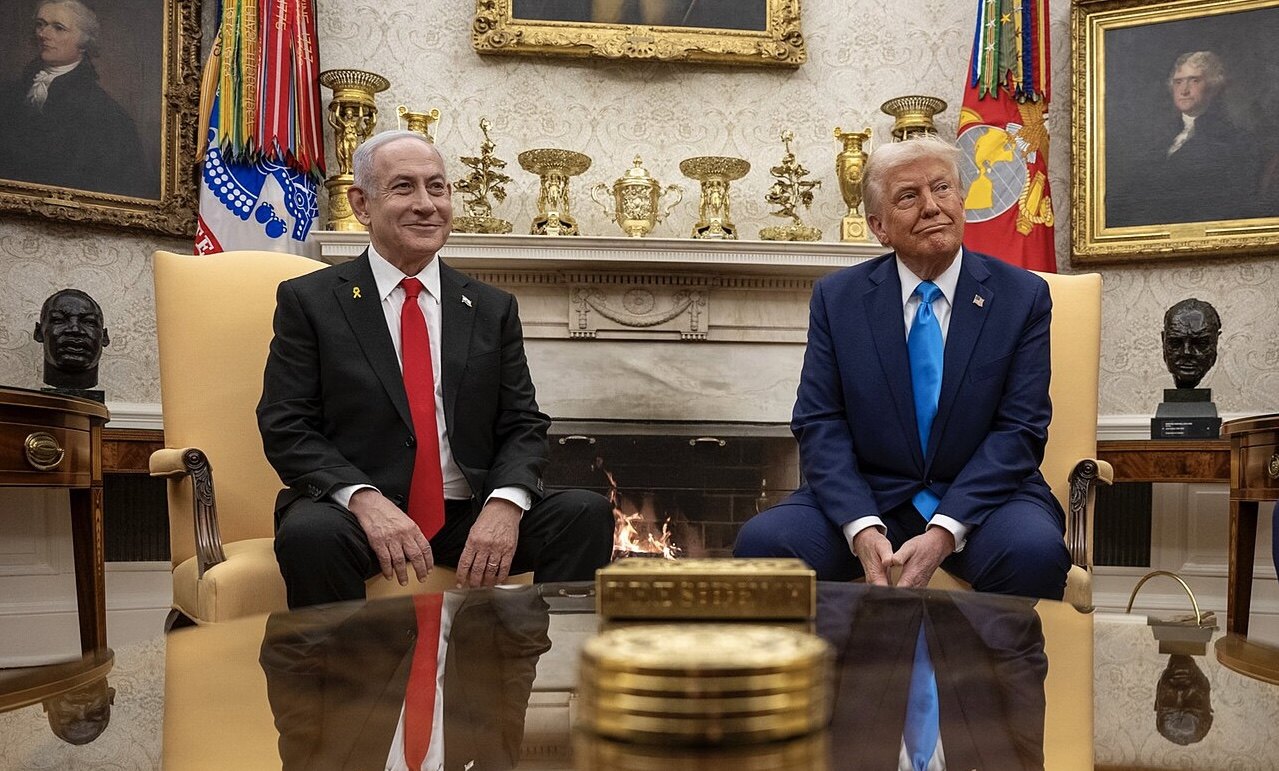
The core package under discussion introduces absolute prosecution immunity for sitting foreign heads of state and heads of government. Under these proposed terms, leaders such as Benjamin Netanyahu, Donald Trump, and Vladimir Putin could not be prosecuted for international crimes committed on their orders. This revision would reverse foundational principles that have governed international criminal proceedings since the tribunal began operating in 2002.
Negotiators are also evaluating a restriction that strips the court of jurisdiction over nationals belonging to countries that have not ratified the Rome Statute. Currently, the court exercises jurisdiction over non-member citizens whenever alleged offenses occur on the territory of a participating state party. Eliminating this territorial mandate would directly nullify active arrest warrants issued against Israeli Prime Minister Benjamin Netanyahu and former Defence Minister Yoav Gallant for actions in Palestine.
Under existing statutory rules, Palestine is an official party to the Rome Statute, granting the court legal authority over offenses committed within its borders regardless of the perpetrator's nationality. Adopting the proposed nationality restriction would similarly prevent the prosecution of American or Russian nationals for acts committed inside member states. Legal specialists warn that removing territorial jurisdiction destroys the central mechanism through which non-signatory state actors are held internationally accountable.
02Complementarity Loopholes and Domestic Statute Shields
The third discussed constraint dismantles the court's core principle of complementarity by denying jurisdiction whenever a target nation maintains nominal domestic laws regarding an offense. Under current operational rules, the international tribunal intervenes only when a domestic legal system demonstrates that it is unwilling or unable to investigate and prosecute suspected violations. The proposed compromise would allow the mere formal existence of national legislation to permanently disqualify international proceedings.
Advertisement
Tech Pulse Daily
Get tomorrow's pulse first
Join engineers who read Tech Pulse before stand-up. Free, weekday mornings.
Diplomatic observers point out that this procedural loophole allows non-compliant governments to easily avoid external scrutiny without conducting real investigations or punishing individual perpetrators. For instance, because Israel maintains domestic criminal statutes that formally prohibit torture, authorities could claim complete exemption from international inquiries even if individual allegations are systematically ignored. Enacting this provision would functionally convert the tribunal into a powerless entity stripped of independent oversight authority.
03Rome Statute Amendment and Ratification Thresholds
Translating these administrative restrictions into enforceable international law requires sweeping amendments to the Rome Statute, which was originally negotiated in 1998. Enacting changes to the statutory charter requires securing a formal two-thirds majority vote across all participating member nations. Because diplomatic positions remain deeply fragmented, it is not known which member countries outside the Netherlands and the United States would actively cooperate with such fundamental modifications.
Even if a two-thirds majority of member states approved the preliminary statutory changes, formal implementation imposes an even higher legal barrier. The amendments must be formally ratified by seven-eighths of all state parties before they can officially enter into force across member jurisdictions. This extraordinarily strict threshold means that a small coalition of committed member states can easily preserve the founding charter and block the proposed structural rollback.
04Secondary Sanctions and European Blocking Regulations
The bilateral negotiations follow punitive American economic measures that placed the international court on the official United States sanctions list on 9 October. Washington previously enacted direct sanctions against thirteen individual court prosecutors and judges following international investigations into Israeli military actions in Palestine. Dutch authorities have expressed growing anxiety that these punitive actions will completely paralyze tribunal administration once enforcement measures fully activate.
A broader slate of American secondary sanctions will formally take effect on 7 April 2027, creating severe legal hazards for European financial institutions. In theory, the European Union can deploy its statutory blocking mechanism, which legally obliges European enterprises and banks to ignore American sanctions. However, Dutch and European leaders remain hesitant to enforce the blocking statute because major European banks risking American market retaliation could lose access to dollar clearing networks.
05Assembly Relocation and Diplomatic Negotiations in The Hague
The broader political dispute forced officials to relocate the annual Assembly of States Parties meeting from its planned venue in New York to The Hague. Representatives from the 125 state parties will convene from 30 November to 7 December to debate the court's administrative future and bilateral engagement policies. The upcoming discussions build upon a December 2025 consensus decision that encouraged institutional members to maintain diplomatic channels with non-state parties.
In a formal statement addressing the reported negotiations, the Dutch Ministry of Foreign Affairs emphasized that no concrete proposals are currently before the Assembly of States Parties. The ministry reiterated its shared responsibility alongside 124 other state parties to protect the court, while acknowledging ongoing exploratory dialogue with non-member states. Dutch officials stated that they remain committed to mitigating sanction impacts as the host state while ensuring international judicial bodies function unhindered.
Netherlands Is Dismantling the International FAQ
What specific restrictions are being discussed between the Netherlands and the United States?
Negotiators are discussing granting immunity to heads of state, removing jurisdiction over non-member nationals who commit crimes in member states, and denying jurisdiction if a nation has relevant domestic laws.
How can the Rome Statute legally be amended to incorporate these proposed rules?
Amending the Rome Statute requires approval by a two-thirds majority of States Parties, followed by formal ratification by seven-eighths of all member states before the changes can enter into force.
Why are European governments hesitant to invoke the European Union blocking mechanism against United States sanctions?
While the blocking statute requires European companies to ignore United States sanctions, enforcement risks exposing European commercial banks to retaliatory American sanctions and loss of United States financial market access.
Why was the Assembly of States Parties meeting moved from New York to The Hague?
United States sanctions targeting court personnel and operations made holding the meeting in New York unfeasible, forcing organizers to relocate the conference to the Netherlands from 30 November to 7 December.
Sources

Author
Dillip Chowdary
Writes Tech Bytes coverage of AI, engineering, and the tools that actually ship. Editor of Tech Pulse Daily.
Related on Tech Bytes
Advertisement