The Sony Aibo was a robot revolution dressed like a dog
Sony developed the Aibo robotic dog in the 1990s to integrate domestic companion robotics into family homes as permanent mechanical household pets.
By Dillip Chowdary • Nov 15, 2026 • Source: The Verge
Sony designed the Aibo during the 1990s around the conviction that personal robotics would enter homes, workplaces, and daily domestic life as companions rather than purely functional appliances. As detailed in The Verge's report, the company approached consumer automation by creating a dedicated robotic pet intended to integrate directly into domestic households as an authentic family member.
This retrospective analysis examines the development trajectory, consumer attachment, and hardware legacy of Sony's robotic pet initiative across several consumer generations. The breakdown provides consumer robotics analysts, industrial designers, and hardware historians with a detailed look at where domestic automation gained deep personal traction and where mass commercial adoption faced operational boundaries.
01Sony domestic robotics vision in the 1990s
Sony formulated its early consumer robotics strategy around an internal projection that households would soon operate alongside diverse autonomous systems. Engineers envisioned humanoid units handling workplace assignments, specialized mechanical companions offering friendship, and dedicated robotic quadrupeds filling the role of household pets. Rather than prioritizing utility tasks like floor cleaning, Sony focused product development on social interaction and emotional connection.
The hardware program produced Aibo as an experimental consumer device built specifically to live alongside humans indoors. Instead of marketing the machine as an industrial tool or a simple motorized toy, Sony positioned the unit as an interactive family member capable of establishing long-term behavioral routines inside home living spaces.
Initial consumer reception established an unexpected precedent for domestic consumer electronics, showing that households treated autonomous companion hardware differently than standard home appliances. The early design decisions laid the foundation for decades of corporate experiments attempting to balance mechanical durability with interactive entertainment features.
02Engineering family member attachment and behavior
The operational structure of Aibo centered on autonomous mobility, responsive sensors, and simulated biological canine behaviors designed to elicit emotional bonding from human owners. Sony engineered the robotic quadruped to react directly to its physical surroundings, recognize domestic spaces, and generate independent movement patterns that closely mirrored domestic animals.
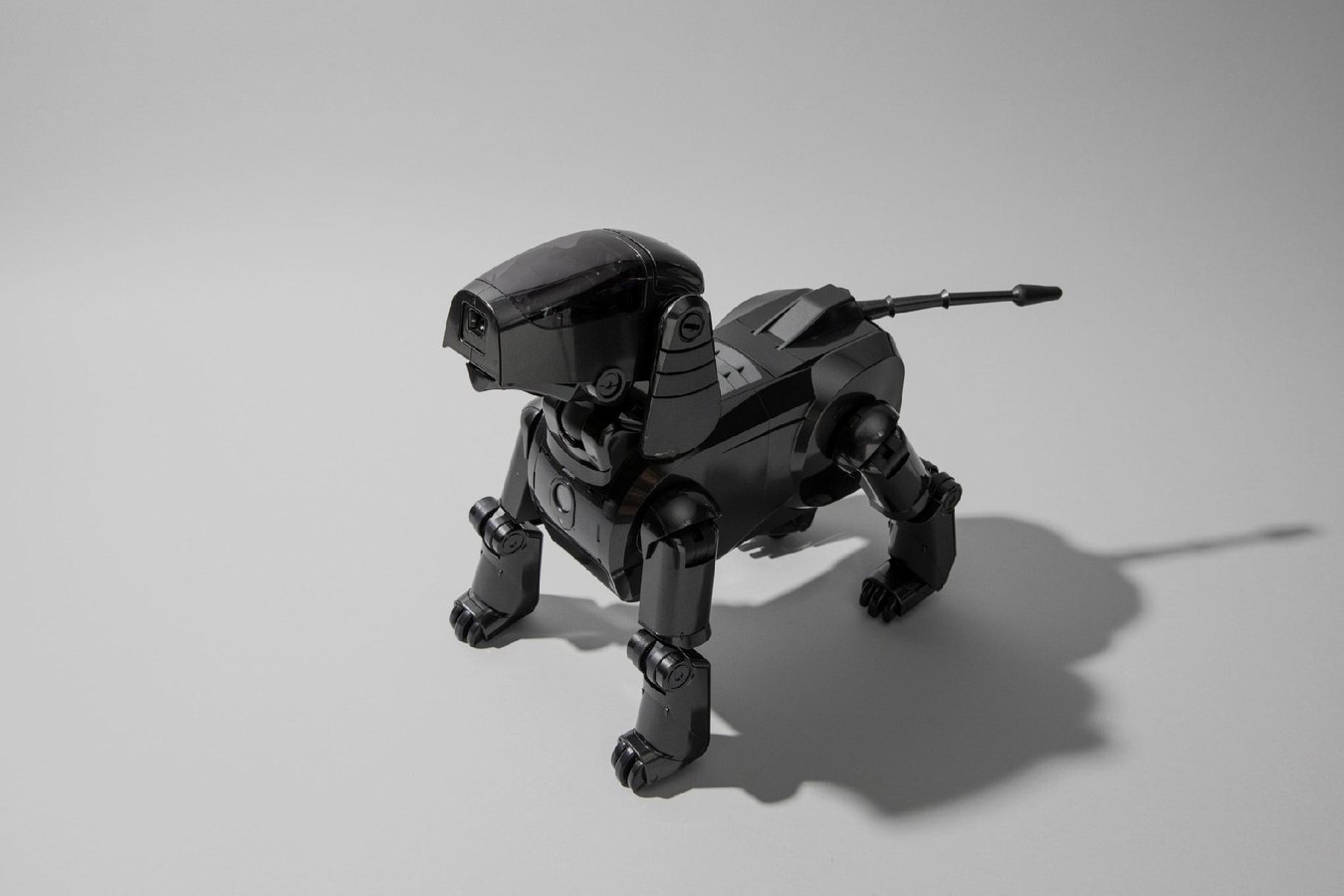
By mimicking pet behavior rather than functioning as an obedient input-output console, the platform fostered intense interpersonal relationships with its owners. The machine learned to navigate household environments without manual guidance, allowing human handlers to perceive autonomous personality traits and domestic loyalty within the mechanical chassis.
The resulting emotional attachment transformed standard consumer electronics ownership into deep personal caretaking. Customers regularly treated mechanical maintenance, component wear, and software updates as healthcare rather than routine hardware servicing, creating a distinctive dynamic between consumer device manufacturers and end users.
Advertisement
Tech Pulse Daily
Get tomorrow's pulse first
Join engineers who read Tech Pulse before stand-up. Free, weekday mornings.
03Museum recognition and consumer longevity
Aibo achieved prominent historical status within consumer design history, ultimately earning a place in the permanent collection of the Museum of Modern Art. The technological and aesthetic milestones achieved by the hardware demonstrated that interactive robotics could cross into recognized industrial art while remaining an active consumer offering across multiple release cycles.
Despite never achieving the sales volume of mass-market consumer electronics, the platform established remarkable brand longevity. Sony sustained the project through continuous hardware revisions, companion initiatives like the bipedal humanoid QRIO robotics platform, and repeated re-evaluations of domestic automation economics.
The sustained public engagement proved that domestic companion robotics could cultivate an enduring, highly dedicated customer base. However, the specialized engineering requirements and high manufacturing standards also highlighted the immense technical hurdles associated with scaling interactive domestic robots to global mainstream ubiquity.
04Abandoned owners and ending product support
The deep attachment formed between owners and robotic companions created complex operational dilemmas when Sony eventually curtailed formal post-sale support. When component supply chains concluded and factory service options closed, long-time owners faced difficult maintenance choices that standard appliance purchasers never encountered.
Japanese owners experienced acute distress when Sony stopped supporting original Aibo units, leaving aging machines vulnerable to irreparable mechanical breakdowns and battery failures. Without access to replacement motors, replacement limb joints, or proprietary system diagnostics, households found themselves unable to sustain the life of their mechanical pets.
The discontinuation demonstrated the inherent friction between software-driven hardware obsolescence cycles and the indefinite emotional bonds formed by companion robotics. The experience established an enduring cautionary case study regarding long-term servicing commitments for emotionally resonant consumer automation hardware.
05Six week podcast season on robotic pets
The historical legacy of the Aibo initiative now anchors the six-week sixth season premiere of the Version History podcast, hosted by editor-at-large David Pierce alongside Victoria Song and Jennifer Pattison Tuohy. The episodic retrospective explores why Sony's robotic canine captured domestic devotion, where corporate strategy misjudged mass robotics timelines, and whether home robotics will ever achieve broad consumer scale.
The investigative series traces companion hardware from early prototypes through contemporary domestic pet gadgets, evaluating how modern automated pet care devices compare against dedicated mechanical companions. The analytical coverage evaluates historical accounts from engineering documentation, archival industry reporting, and owner experiences to map the technical boundaries of domestic robotics.
Listeners and automation researchers can track the six-episode run across dedicated podcast networks, social video platforms, and ad-free subscriber feeds. The investigative review frames Aibo not simply as a novelty gadget, but as an foundational baseline for evaluating modern artificial intelligence hardware in domestic living environments.
Sony Aibo was a robot revolution dressed like FAQ
What was Sony's original goal when creating the Aibo?
Sony built the Aibo in the 1990s as an interactive domestic pet intended to live in households as an authentic family member.
Where is the Sony Aibo recognized in the art and design world?
The Aibo is featured in the permanent design collection of the Museum of Modern Art for its industrial and technological significance.
What challenges did Aibo owners face when Sony ended official support?
Japanese owners struggled with mechanical breakdowns and lack of replacement parts when Sony halted factory maintenance for older units.
Sources

Author
Dillip Chowdary
Writes Tech Bytes coverage of AI, engineering, and the tools that actually ship. Editor of Tech Pulse Daily.
Related on Tech Bytes
Advertisement