The US is winning the AI race. Jensen Huang could have blown it
China has responded by making domestic chip alternatives a strategic national priority, though its homegrown options still lag Nvidia at the bleeding edge.
By Dillip Chowdary • Nov 11, 2026 • Source: The Verge
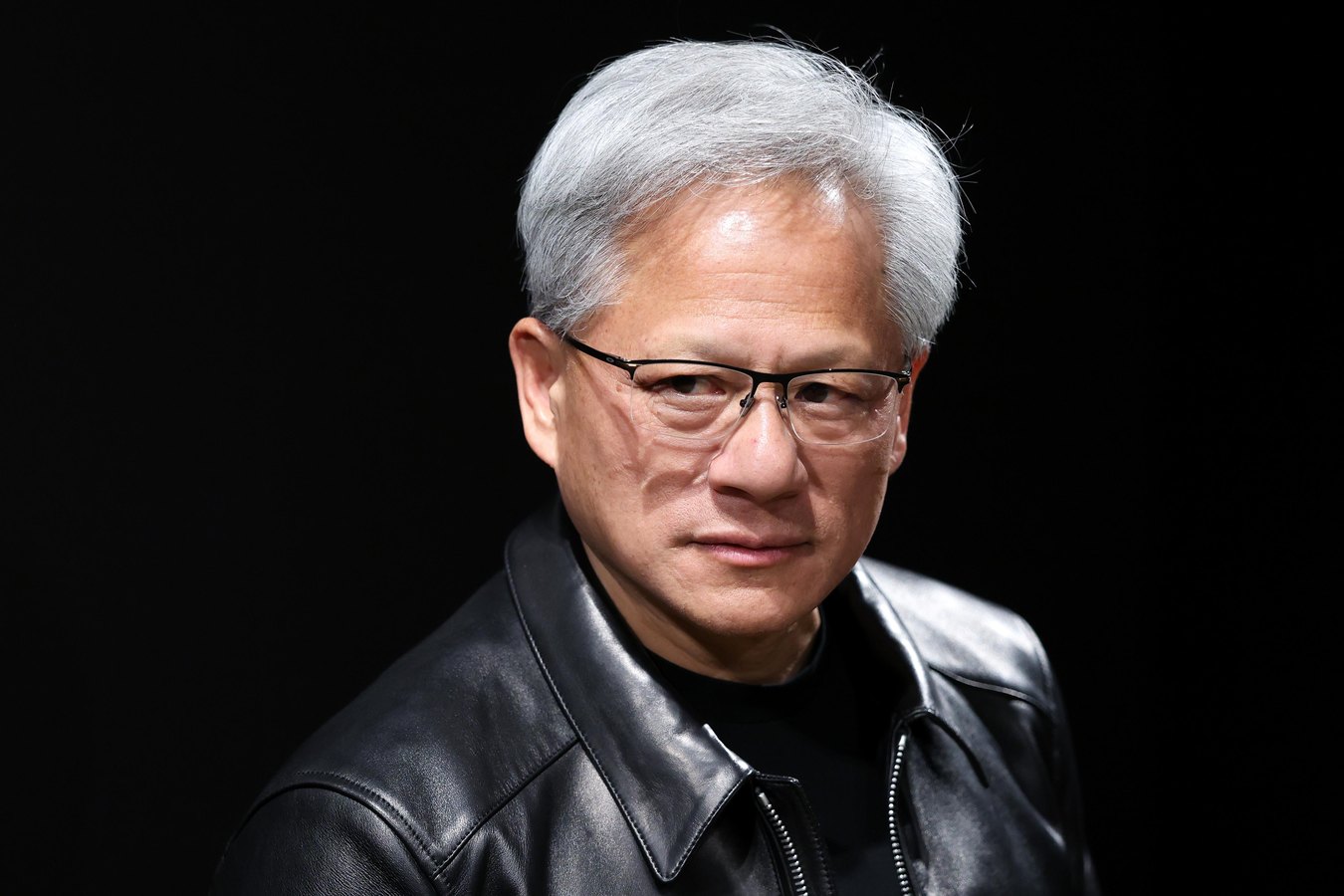
Nvidia CEO Jensen Huang became a national security flashpoint on November 10th after admitting to an affair with a woman suspected of being a Chinese intelligence operative — reportedly while US intelligence and President Donald Trump were already aware of her alleged spying. The Verge's report by Robert Hart lays out how the fallout extends far beyond Huang's personal life or Nvidia's stock price, drawing in questions about chip supply chains, export controls, and whether America's AI lead over China is as secure as it appears.
This article breaks down what Huang's entanglement with the suspected spy — identified as Alice Huang, no relation — means for the semiconductor industry, US AI policy, and the companies that depend on Nvidia's hardware to build frontier models. It is for anyone trying to understand why a CEO's affair is being treated as a potential national security event.
01Nvidia's chokehold on global AI hardware
Nvidia is the undisputed leader in advanced AI chips, one of the scarcest resources in the AI industry. While talent, energy, capital, and data all matter in building AI models, top-tier compute is among the most critical inputs, and Nvidia is one of only a handful of companies capable of designing or manufacturing chips at the cutting edge. That position makes it a gatekeeper to hardware that has become a genuine bottleneck in global AI development.
US companies including Meta, Anthropic, and OpenAI have been spending billions to secure more Nvidia compute, even as they race to develop proprietary chips and reduce their dependence on the company. For China — the United States' closest rival at the AI frontier — the bottleneck is tighter still. The US has restricted exports of the most advanced AI chips to China precisely to slow its progress, and China is estimated to trail the US by only a matter of months.
China has responded by making domestic chip alternatives a strategic national priority, though its homegrown options still lag Nvidia at the bleeding edge. Meanwhile, a thriving black market for restricted Nvidia chips has emerged, underscoring how much Beijing values access to them.
02Alice Huang, $7 billion in chip sales, and a black market
Emily Kilcrease, a senior fellow and director of the energy, economics, and security program at the Center for a New American Security, tells The Verge that getting its hands on more Nvidia chips is the most obvious win for Beijing. China holds advantages in other parts of the AI race — abundant energy and a solid ecosystem of open-weight models — but without the latest Nvidia GPUs, it "cannot close the gap with US frontier capabilities." Kilcrease warned: "With those chips, the US lead could vanish in a matter of weeks or months."
There is no public evidence that Huang himself directed restricted chips toward China or that sensitive technical information was obtained from him. However, companies linked to Alice Huang have reportedly enabled at least $7 billion in Nvidia chip sales to China.
Brookings fellow Kyle Chan raised a secondary concern: that companies with alleged ties to China may have had priority access to Nvidia's latest GPUs. "In a time of chip scarcity," Chan told The Verge, that would make it substantially harder for American firms to obtain the hardware they need.
Advertisement
Tech Pulse Daily
Get tomorrow's pulse first
Join engineers who read Tech Pulse before stand-up. Free, weekday mornings.
03Influence over policy and insider industry intelligence
Sunny Cheung, a fellow for China studies at the Jamestown Foundation, argues that trade secrets are only part of what China could gain. "I actually think too many people are focused on whether somebody managed to steal Nvidia's trade secrets," Cheung said, calling it a "very narrow way" of looking at espionage. Jensen Huang's relationships with tech executives, senior policymakers, and President Trump give him an unusually intimate view into how the most powerful figures in US industry and government are thinking.
Beijing could use that access to understand how American companies are planning major infrastructure expansions, their compute requirements, or broad industry trends, and use that intelligence to shape its own investments and industrial strategy. Huang's value as an intelligence target extends beyond AI: Cheung pointed to insights China could glean into White House thinking on export controls and the private views of Silicon Valley executives on China and Taiwan.
Crucially, Huang is also a prominent critic of US chip export restrictions and Nvidia is a formidable Washington lobbying force. Last year, Huang secured White House approval to begin exporting Nvidia's H200 AI GPU chips to approved customers in China and other countries — a policy win that underscores how much direct influence he holds over the rules governing the very technology at the center of this scandal.
04Nvidia's stability and the downstream risk to AI labs
The reputational and operational damage to Nvidia could ripple far beyond the company itself. Huang cofounded Nvidia more than three decades ago and has served continuously as its president, CEO, and board member ever since. Despite holding a relatively small ownership stake, Nvidia and Jensen Huang are widely treated as inseparable, and Nvidia shares have slumped since news of the affair became public.
Cheung said: "When so much of America's AI infrastructure depends on one company, any significant security or governance problem at Nvidia can create uncertainty across the industry." Kilcrease echoed that warning, saying the scandal could "destabilize" the company and that the multiple investigations now underway "will consume an immense amount of bandwidth," weighing down day-to-day operations.
If those distractions slow decisions, product rollouts, or the allocation of already scarce chips, the consequences reach Nvidia's biggest customers directly. AI labs and hyperscalers such as OpenAI and Anthropic "could have a real issue accessing the vast amounts of compute they need," Kilcrease said. Switching to alternative hardware, she added, "takes time" — and in an AI race measured in months, that matters.
05Congressional response and the odds of new chip legislation
For all the damage the scandal has done, Kilcrease suggested it could backfire badly on China now that the alleged operation is fully exposed. "The odds of AI chip control legislation being passed in Congress just went through the roof," she said, implying that the political will for tighter restrictions — previously contested — may now be much easier to build.
China is estimated to trail the US by only months at the AI frontier, meaning that even modest delays caused by Nvidia's disruption could allow Chinese rivals to close the gap. Nvidia is virtually certain to face further operational turbulence as investigations proceed, though experts acknowledged that the full extent of the damage to the broader US AI industry may be difficult to quantify.
US is winning the AI race. Jensen Huang could FAQ
Who is Alice Huang and what is her connection to Jensen Huang?
Alice Huang is a woman suspected by US intelligence of being a Chinese spy. Jensen Huang, Nvidia's CEO, admitted to having an affair with her; she is not related to him. Companies linked to Alice Huang have reportedly enabled at least $7 billion in Nvidia chip sales to China.
Why are Nvidia chips so important to the US-China AI race?
Nvidia is the leading designer and manufacturer of advanced AI chips, which are a critical bottleneck in global AI development. The US has restricted exports of its most advanced chips to China specifically to slow China's AI progress, which experts estimate trails the US by only a matter of months.
Which AI companies could be affected by disruptions at Nvidia?
OpenAI and Anthropic are among the AI labs and hyperscalers that Kilcrease identified as potentially unable to access the compute they need if Nvidia's operations are slowed. Switching to alternative hardware takes time, which is costly in a race where every month counts.
What policy changes could result from the Jensen Huang spy scandal?
Kilcrease of CNAS said the odds of AI chip control legislation passing in Congress "just went through the roof" following the public exposure of the alleged espionage operation, suggesting the scandal could accelerate restrictions that were previously politically difficult to pass.
What non-technical intelligence could China gain from access to Jensen Huang?
Beyond chip blueprints, Cheung of the Jamestown Foundation said Beijing could gain insight into US export control strategy, White House thinking, and the private views of Silicon Valley executives on China and Taiwan — intelligence with value well beyond the semiconductor sector.
Sources

Author
Dillip Chowdary
Writes Tech Bytes coverage of AI, engineering, and the tools that actually ship. Editor of Tech Pulse Daily.
Related on Tech Bytes
Advertisement