The Xiaomi 18 Pro proves two screens aren’t better than one
Xiaomi launched the 18 Pro and 18 Pro Max flagships in Europe starting at £1,199, pairing secondary rear displays with 200MP Leica camera sensors.
By Dillip Chowdary • Nov 21, 2026 • Source: The Verge
At a glance
- Product
- Xiaomi 18 Pro and 18 Pro Max
- Pricing
- £1,199 (~$1,570) and £1,399 (~$1,830)
- Screen sizes
- 6.4-inch and 6.9-inch main displays
- Rear screens
- 2.7-inch and 2.9-inch secondary panels
- Processor
- Qualcomm Snapdragon 8 Elite Gen 6
- Cameras
- Dual 200MP main and telephoto sensors
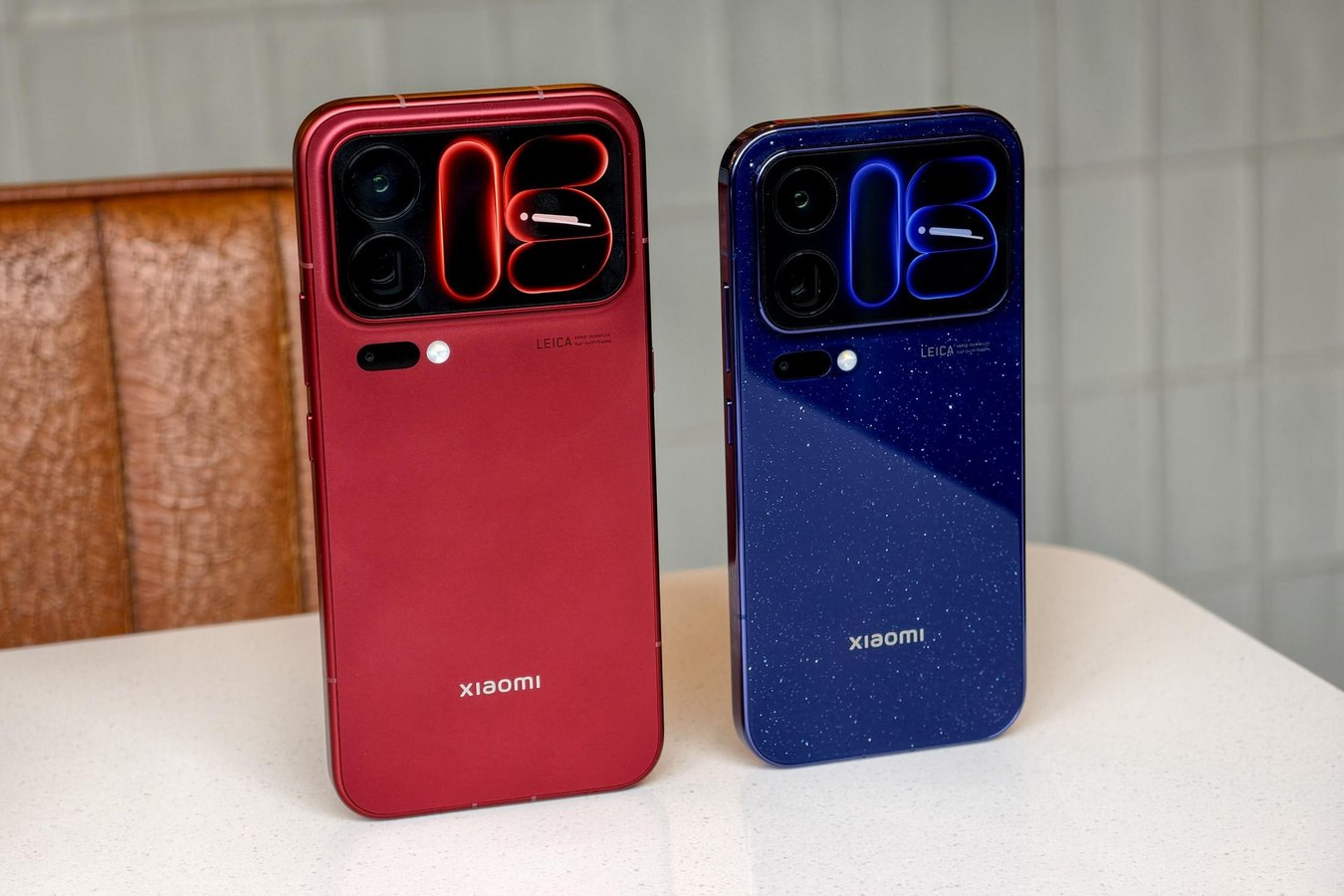
Xiaomi launched the Xiaomi 18 Pro and Xiaomi 18 Pro Max, introducing its secondary rear display concept to markets outside China for the first time since the Mi 11 Ultra in 2021. The flagship devices arrive in the UK and Europe priced at £1,199 (around $1,570) and £1,399 (around $1,830), targeting direct competition against Apple and Samsung top-tier hardware as outlined in The Verge's report. Alongside the secondary screen, both models feature Qualcomm silicon, dual 200-megapixel rear camera modules co-engineered with Leica, and privacy viewing angle technology.
This teardown examines the hardware differences between both tiers, the real-world utility and limitations of the rear panel, the photographic capabilities of the camera array, and the implementation of the directional privacy display. It serves prospective flagship smartphone buyers and mobile hardware engineers evaluating whether secondary rear displays justify premium hardware costs during industry-wide component price pressures.
01Flagship specifications and chassis variants
Xiaomi splits the lineup across two physical footprints featuring different displays, batteries, and charging profiles. The standard Xiaomi 18 Pro carries a 6.4-inch primary display paired with a 6,000mAh battery and 90W wired charging support.
The larger Xiaomi 18 Pro Max increases the front panel size to 6.9 inches, backed by a 7,050mAh battery and 100W wired charging capability. Both handsets provide comfortable single-day battery operation that extends to two days under light workloads, though larger battery capacities exist on regional models outside Europe.
Under the hood, both variants rely on Qualcomm Snapdragon 8 Elite Gen 6 silicon, with the Pro Max receiving the higher-binned Extreme version of the chipset. The camera module on the Pro Max also incorporates a specialized LOFIC sensor that expands dynamic range to 16 stops for tricky contrast conditions. Pricing reflects recent memory cost increases, hitting £1,199 for the 18 Pro and £1,399 for the 18 Pro Max.
| Model | Display Size | Processor | Battery Capacity | Wired Charging | Base Price |
|---|---|---|---|---|---|
| Xiaomi 18 Pro | 6.4-inch | Snapdragon 8 Elite Gen 6 | 6,000mAh | 90W | £1,199 (~$1,570) |
| Xiaomi 18 Pro Max | 6.9-inch | Snapdragon 8 Elite Gen 6 Extreme | 7,050mAh | 100W | £1,399 (~$1,830) |
02Secondary display interface and notifications
The rear secondary screens measure 2.7 inches on the standard Pro and 2.9 inches on the Pro Max, wrapping directly around the two main camera lenses. The physical layout resembles the external cover screens seen on compact clamshell foldables such as the Galaxy Z Flip 8, but software functionality remains tightly constrained. Users can apply interactive wallpapers, control active audio streams for podcasts and music, or glance at incoming notifications when resting the handset face down.
However, system notification handling on the rear display lacks depth and interaction. Incoming application icons take up so much panel area that minimal notification text fits onto the display. Furthermore, the software cannot show persistent notification histories or quick-reply options, simply flashing new alerts for a few seconds before disappearing.
Advertisement
Tech Pulse Daily
Get tomorrow's pulse first
Join engineers who read Tech Pulse before stand-up. Free, weekday mornings.
03Gemini powered mini app generation
Unlike typical foldable cover screens, the rear display does not grant access to primary system settings or standard Android applications. To populate the display with interactive software, Xiaomi integrated an on-device natural-language AI generation utility powered by Google Gemini 4 Argon. This engine translates plain prompts into self-contained micro-applications such as pomodoro timers or basic arcade clones.
These generated software packages run in a strict operational sandbox to preserve device security. They operate without network connectivity and cannot communicate with other installed apps or device storage. As a result, the tool builds simple offline widgets rather than networked productivity tools.
04Rear camera viewfinder and imaging array
The primary practical justification for the rear panel is its function as a live camera viewfinder. Users can frame high-resolution self-portraits, record video clips, or trigger photo booth capture sequences using the rear camera hardware. The primary and telephoto cameras both utilize 200-megapixel sensors with wide dynamic range, with the telephoto offering a 12cm minimum focusing distance that doubles as a dedicated macro camera.
Software processing includes Leica Vibrant and Leica Authentic color profiles alongside a third profile named Xiaomi Original. Leica also provides an Essential Moments mode simulating three retro aesthetics across 35mm and 75mm virtual focal lengths. In contrast, the separate ultrawide camera features a modest 17mm focal length and a smaller sensor placed low on the chassis where fingers easily obscure the view.
Note: While the rear camera hardware delivers flagship-grade captures, regional variants of both phones outside Europe ship with larger battery capacities than the European 6,000mAh and 7,050mAh cells.
05Granular privacy display viewing angles
Beyond the external rear glass, Xiaomi added a privacy display feature on the main panel that mirrors the concept introduced on Samsung Galaxy S26 Ultra. The technology manipulates individual pixel banks to restrict side-angle visibility, preventing observers from reading on-screen data from indirect angles. While early testing shows the overall light-blocking effect is less intense than Samsung hardware, Xiaomi allows more granular software management.
Users can toggle privacy restrictions across the entire operating system or restrict visibility on an app-by-app basis. When applied to specific applications, the system automatically conceals matching notifications and applies privacy masks to floating windows or split-screen views. This granular switching ensures private applications remain shielded while adjacent apps like language trainers stay visible to normal viewing angles.
Frequently asked questions
What can the rear display on the Xiaomi 18 Pro do?
The rear screen acts as a live camera viewfinder for selfies, shows media playback controls, and flashes incoming notifications. It can also run offline micro-apps generated via on-device AI prompts.
How do the processors differ between the Xiaomi 18 Pro and Pro Max?
Both devices use Qualcomm Snapdragon 8 Elite Gen 6 silicon, but the larger Pro Max model uses the higher-tier Extreme edition.
How does Xiaomi privacy display differ from Samsung Galaxy S26 Ultra?
Xiaomi allows per-app privacy activation that works across floating windows and split-screen setups without obscuring adjacent apps, though its overall viewing angle restriction is less intense.
Sources

Author
Dillip Chowdary
Writes Tech Bytes coverage of AI, engineering, and the tools that actually ship. Editor of Tech Pulse Daily.
Related on Tech Bytes
Advertisement