Trump says Google kisses his ass: During a rally on Saturday, October
Donald Trump claimed at an October 17th Kentucky rally that Google Maps now obeys his calls to rename the Gulf of Mexico, while Google cited GNIS rules.
By Dillip Chowdary • Oct 19, 2026 • Source: The Verge
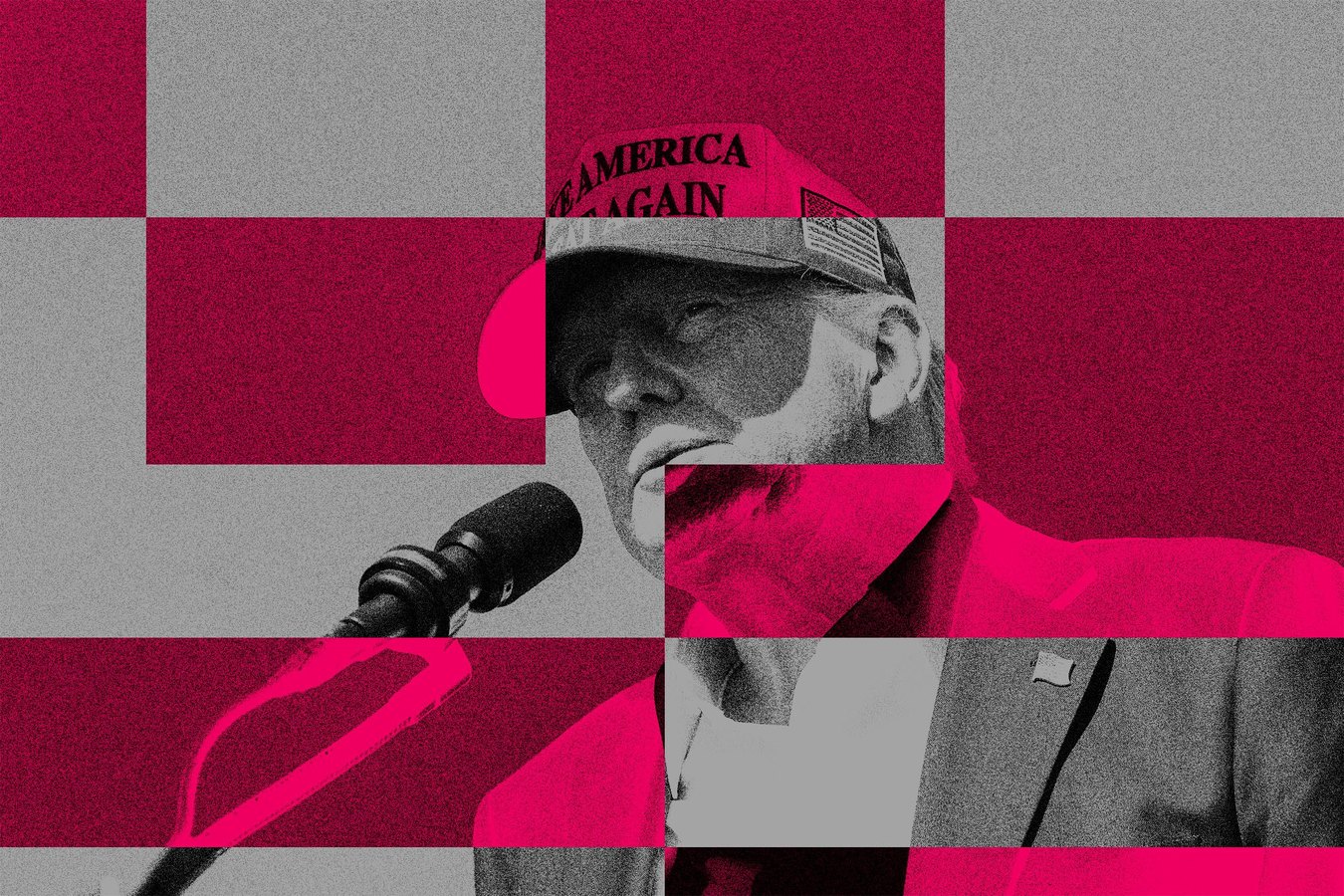
Donald Trump claimed that Google submitted to his personal demands, asserting that corporate executives now follow his administration's directives on geographical naming. Speaking on Saturday, October 17th, at a campaign rally in Highland Heights, Kentucky, Trump highlighted his second term actions, contrasting his current leverage with his first term. In The Verge's report on the event, Trump cited his efforts to rename the Gulf of Mexico and Lake Ontario, alleging that direct phone calls to Google Maps forced platform changes.
This report analyzes the contradiction between presidential claims and digital mapping governance, examining how global platforms handle official naming standards. It is written for policy analysts, software engineers, and technology leaders tracking executive influence over Silicon Valley platforms. By reviewing statements from Google and speech remarks from Highland Heights, Kentucky, this piece assesses mapping data pipelines, GNIS integration, and corporate lobbying dynamics.
Trump Google kisses his ass: what actually changed
During his rally in Highland Heights, Kentucky, Donald Trump claimed credit for renaming the Gulf of Mexico and Lake Ontario, citing the actions as proof of his growing presidential power. Trump told the crowd that his second term allowed him to do unbelievable things, asserting that he placed direct calls to Google Maps to mandate changes. He contrasted this with his first presidency, claiming Google refused to take his calls previously. His statements framed Google as having completely surrendered its cartographic autonomy under direct administrative pressure.
Google disputed Trump's account of personal intervention by pointing to its standard naming procedures. The company stated that Google Maps updates reflect official government sources, primarily relying on GNIS, the Geographic Names Information System, within the United States. Furthermore, Google clarified that its cartographic adjustments follow long-standing corporate policies governing bodies of water whose names differ from country to country. Rather than altering maps due to executive telephone calls, the platform explained that changes stem from predefined public data sources and established multinational policies.
Trump Google kisses his ass: how it works
Google Maps determines cartographic labeling through automated ingestion pipelines tied to official governmental registries rather than discretionary executive instructions. Across the United States, the platform references GNIS records to verify authentic geographical identifiers for domestic waterways, landmarks, and terrain. When an administration announces changes to geographic names, mapping systems evaluate whether the designations have been codified in official databases. By anchoring map updates to recognized records like GNIS, the platform automates data synchronizations while insulating its engineering processes from direct political lobbying and unsubstantiated claims.
For international bodies of water that cross national borders, such as Lake Ontario and the Gulf of Mexico, Google Maps deploys specialized naming policies. The platform manages regions where geographic designations vary from country to country, adjusting displays based on user location and established cartographic conventions. When political leaders claim unilateral modifications, Google's mapping software continues to apply standardized rules rather than ad hoc manual edits. These systems balance domestic agency updates with multinational geographic guidelines, ensuring that technical policies govern map labels rather than individual executive demands.
Advertisement
Tech Pulse Daily
Get tomorrow's pulse first
Join engineers who read Tech Pulse before stand-up. Free, weekday mornings.
Trump Google kisses his ass: why it matters now
The remarks delivered on Saturday, October 17th, highlight a sharp shift in relations between the federal government and technology companies. During his first presidential term, Trump frequently complained that Silicon Valley corporations ignored his administration and refused his telephone calls. His second term remarks in Highland Heights, Kentucky, present a stark contrast, publicly claiming that Google now completely defers to his authority. This transition illustrates the intensifying pressure on technology conglomerates as federal leadership asserts unprecedented leverage over platform policies and public communications.
Throughout Trump's second term, Silicon Valley firms have actively attempted to improve ties with the White House through extensive diplomatic outreach. Google and its chief executive officer, Sundar Pichai, have sought to ingratiate themselves with President Trump by offering gifts, effusive public compliments, and donations to presidential pet projects. These corporate overtures reflect strategic efforts by major tech enterprises to navigate political risks, attempting to appease an administration that openly boasts about exerting power over corporate operations and digital infrastructure.
Trump Google kisses his ass: who is affected
The conflicting claims surrounding Google Maps affect millions of consumers and businesses that rely on digital navigation services for accurate geographic data. When an administration claims to have unilaterally renamed major waterways like Lake Ontario or the Gulf of Mexico, confusion arises regarding standard cartographic naming conventions. Commercial shippers, international travelers, logistics companies, and educational organizations depend on stable, internationally recognized digital maps. Public disputes between executive speeches and official platform statements complicate user trust in the accuracy and political neutrality of primary navigation systems.
The controversy also impacts corporate leadership, including Sundar Pichai, and the technical teams responsible for maintaining Google Maps. While executives employ gifts, compliments, and donations to maintain favorable political standing, public claims of corporate submission threaten user confidence in platform independence. Software engineers and product managers working with GNIS data must maintain rigorous technical standards against external political pressure. Meanwhile, enterprise organizations utilizing Google mapping APIs must evaluate whether political friction could disrupt standard data workflows or create regulatory uncertainty.
Trump Google kisses his ass: what to watch
Industry analysts will monitor whether Google provides additional comments after not immediately returning a request for comment following the Kentucky rally. Observers will watch how Google Maps handles future naming directives if the administration attempts to formalize changes to Lake Ontario or the Gulf of Mexico through GNIS. Platform watchers will also track whether Google alters how it displays disputed bodies of water across different international jurisdictions, verifying whether long-standing naming policies remain resilient against ongoing executive pressure and public political rhetoric.
Observers will also watch the ongoing relationship between Silicon Valley leaders and the White House during the remainder of Trump's second term. The strategies employed by Sundar Pichai and Google, including gifts, flattery, and pet project donations, will be closely evaluated by peer technology firms facing similar political demands. Tracking whether executive appease tactics prevent regulatory conflict or encourage further claims of corporate subservience will provide key insights into the future operational independence of major digital platforms and online services.
Developer Action Items
- ☐ Verify the claim on the official Google page (or The Verge), not from this recap alone.
- ☐ Name the surface that moved — API, policy, model, hardware, or commercial terms — before you Slack the thread.
- ☐ Assign one owner a day to read the primary material and decide: this-sprint, this-quarter, or noise.
- ☐ Do not change production on day-one coverage. Watch the vendor changelog and one independent write-up first.
Trump Google kisses his ass FAQ
What did Donald Trump claim about Google Maps?
Donald Trump claimed during an October 17th rally in Kentucky that he called Google Maps and convinced the company to reflect name changes for the Gulf of Mexico and Lake Ontario, asserting the company now complies with his demands.
How did Google explain its map naming policies?
Google stated that its mapping updates reflect official government sources such as GNIS in the United States and adhere to long-standing policies for bodies of water whose names vary between countries.
How has Google engaged with the Trump administration during his second term?
Silicon Valley companies, including Google and CEO Sundar Pichai, have sought to ingratiate themselves with Trump through gifts, compliments, and donations to his pet projects.
Where and when were the remarks made?
Trump made the statements on Saturday, October 17th, during a political rally in Highland Heights, Kentucky.
Sources

Author
Dillip Chowdary
Writes Tech Bytes coverage of AI, engineering, and the tools that actually ship. Editor of Tech Pulse Daily.
Related on Tech Bytes
Advertisement