Watch SpaceX successfully execute the first ‘chopstick’ catch of Starship
SpaceX captured its Starship vehicle with the Mechazilla tower chopsticks for the first time during Flight 15 after its booster detonated over the Gulf.
By Dillip Chowdary • Nov 14, 2026 • Source: The Verge
SpaceX captured its Starship upper-stage spacecraft using the mechanical chopstick arms of its Mechazilla launch and catch tower for the first time during the Flight 15 test on November 14, 2026. While the company previously demonstrated booster catches at the launch site, this flight represents the initial operational catch of the Starship vehicle itself as documented in The Verge's report. The catch occurred at approximately 4:20 PM ET following an atmospheric return and automated capture sequence.
This report details the flight timeline, atmospheric approach maneuvers, mechanical tower catch sequence, booster abort failure over the Gulf of Mexico, and vehicle recovery status from Flight 15. The analysis is prepared for aerospace engineers, launch operators, orbital logistics specialists, and commercial flight observers tracking Starship development milestones.
01Mechazilla tower arms and vehicle capture
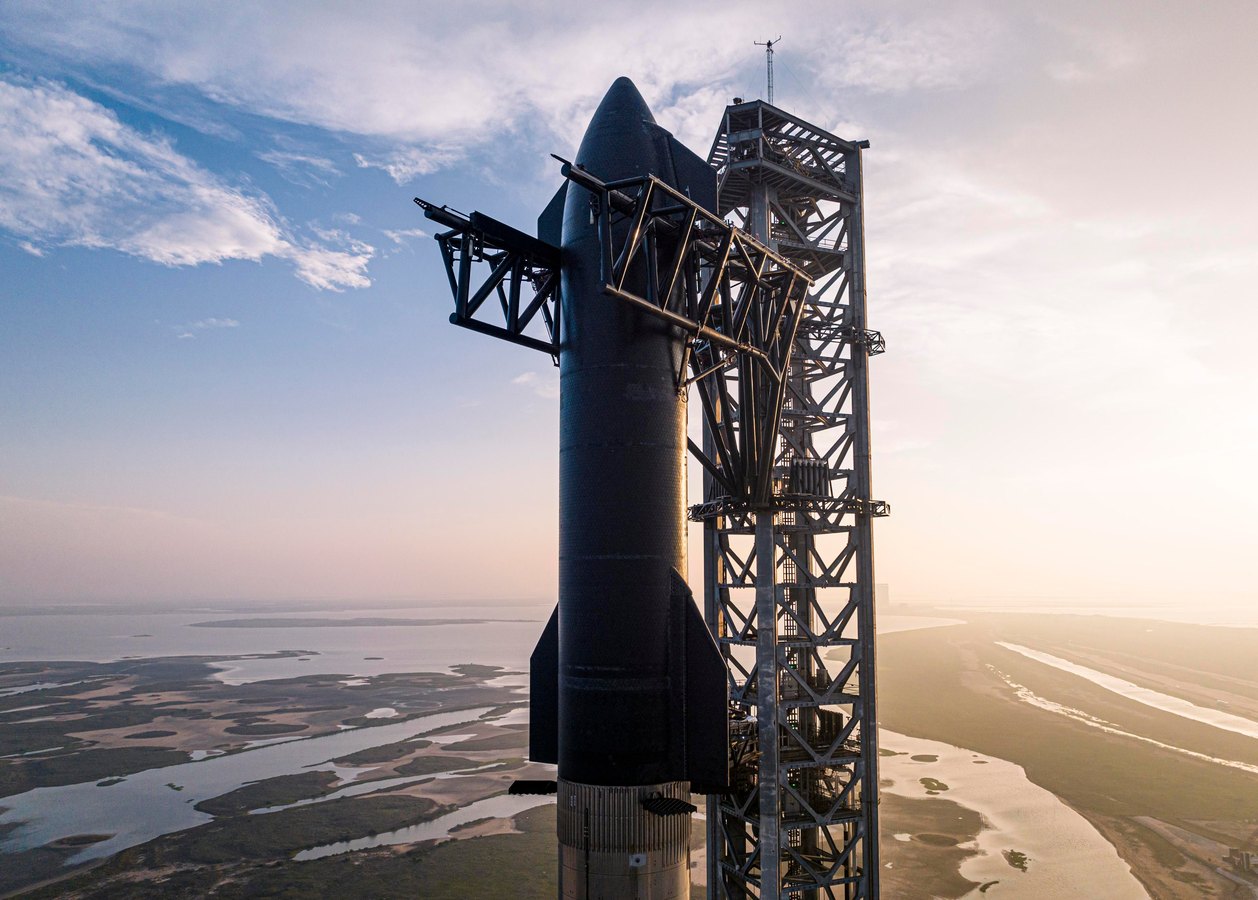
The Mechazilla launch and catch tower secured the Starship spacecraft using its specialized mechanical arms, marking the first time the structure caught the vehicle itself rather than a Super Heavy booster. Ground hardware at the pad handled the incoming spacecraft directly as the vehicle arrived at the tower. The capture demonstrated that tower-based recovery mechanisms can cradle the Starship upper stage upon return.
Previous SpaceX recovery operations at the launch site proved the viability of catching returning rocket boosters with the same mechanical structure. Expanding that capability to the Starship vehicle provides operational data for catching both primary components of the launch stack at the launch tower. The mechanical chopsticks closed around the vehicle to arrest its descent without traditional landing legs.
Ground teams monitored the approach as Starship descended to the launch site pad coordinates. The catch hardware engaged the vehicle directly between the two extending arms to halt its downward flight. Securing the upper stage stands as the primary engineering objective achieved during the test flight sequence.
02Cloud descent and vertical flip maneuver
Starship initiated its final approach by dropping through the cloud deck toward the launch facility at approximately 4:20 PM ET. Onboard control systems guided the vehicle through dense atmospheric layers toward the precise coordinates of the Mechazilla catch tower. Visual tracking recorded the uncrewed spacecraft breaking through cloud cover along its planned descent trajectory.
The spacecraft performed a powered vertical flip maneuver to align its body with the Mechazilla structure before touchdown. Control thrusters and engines oriented the vehicle upright to bleed off residual velocity alongside the recovery infrastructure. The controlled alignment allowed the vehicle to arrest horizontal drift before engaging the catch arms.
Starship then eased itself between the open chopstick arms with measured deceleration. The mechanical arms matched the vehicle position to absorb kinetic energy and secure the hull at the tower. Ground cameras captured the spacecraft coming to rest suspended above the launch mount.
Advertisement
Tech Pulse Daily
Get tomorrow's pulse first
Join engineers who read Tech Pulse before stand-up. Free, weekday mornings.
03Super Heavy booster abort over Gulf
The Flight 15 test encountered a major abort event when the Super Heavy booster failed to reach the catch tower. Ground controllers initiated an abort during the return sequence, directing the rocket stage away from recovery infrastructure. The booster subsequently detonated over open water in the Gulf of Mexico.
SpaceX engineering teams are analyzing telemetry data to determine what triggered the landing abort and subsequent vehicle destruction. The loss of the booster prevented technicians from attempting a dual-catch operation during the same flight window. Pad telemetry and onboard sensors will guide the investigation into the propulsion and guidance malfunction.
The detonation over the Gulf of Mexico contained the hazardous debris field away from launch pad structures and support facilities. Safety protocols ensured the booster remained over maritime exclusion zones once flight parameters deviated from allowable catch criteria. The incident leaves the booster recovery system under active review ahead of subsequent flight attempts.
04Flight fifteen milestone and recovery limits
Flight 15 concluded as a partial recovery rather than a complete operational success for the full launch architecture. While catching the Starship vehicle established a key milestone for the program, the loss of the booster meant the entire launch stack was not retrieved. Total vehicle reuse remains contingent on recovering both stages intact during a single flight.
The Starship development team previously proved that the Mechazilla chopstick arms could catch Super Heavy boosters on earlier test flights. Because the company had already accomplished booster catches, program engineers do not view the Flight 15 booster failure as an insurmountable obstacle. The demonstrated booster capability provides a technical baseline for troubleshooting the recent abort.
Securing the Starship vehicle validates the capture envelope for the upper stage despite the booster loss. Technicians gathered critical structural load and deceleration data from the successful catch at the Mechazilla tower. These telemetry readings confirm the mechanical feasibility of catching the upper stage directly from orbital flight profiles.
05Earnings call expectations and upcoming tests
SpaceX chief executive Elon Musk addressed flight reliability during the company's third-quarter earnings call prior to the mission. Musk stated that success is not guaranteed on these first flights, establishing cautious expectations across the test campaign. He added that it remained more likely than not that the company would achieve its mission goals.
Musk noted during the financial presentation that each subsequent launch provides operational experience that increases the likelihood of full vehicle recovery. Program personnel continue reviewing Flight 15 sensor feeds to resolve the booster anomaly before rolling out the next flight vehicle. Data from the Starship tower catch will inform ground interface modifications for future tests.
SpaceX plans to integrate findings from the Flight 15 investigation into upcoming launch and catch hardware. The validation of the Mechazilla arms catching Starship narrows the remaining technical steps needed for full vehicle reuse. Teams at the launch site are inspecting the tower arms following their first physical contact with the spacecraft.
Watch SpaceX successfully execute the first FAQ
What did SpaceX achieve for the first time during Starship Flight 15?
SpaceX successfully captured the Starship upper-stage vehicle using the mechanical chopstick arms of its Mechazilla launch and catch tower. While previous flights caught Super Heavy boosters, this was the first successful catch of Starship itself.
What happened to the Super Heavy booster during Flight 15?
The Super Heavy booster aborted its planned landing catch and detonated over the Gulf of Mexico. SpaceX teams are actively reviewing telemetry data to determine what caused the abort.
What flight maneuvers did Starship execute prior to the catch?
Starship descended through the clouds at approximately 4:20 PM ET, performed a vertical flip maneuver to orient itself upright, and eased between the open arms of Mechazilla.
Did SpaceX recover the entire launch vehicle during Flight 15?
No, SpaceX achieved only a partial recovery because the booster detonated over the ocean and was lost. However, program officials consider the successful Starship catch a significant milestone because booster catches were already proven on previous flights.
Sources

Author
Dillip Chowdary
Writes Tech Bytes coverage of AI, engineering, and the tools that actually ship. Editor of Tech Pulse Daily.
Related on Tech Bytes
Advertisement