Waymo suspends freeway rides nationwide after California DMV order
The state regulator determined that the driverless fleet posed an imminent hazard to public safety following repeated incursions into active roadway work sites.
In short
Commercial robotaxi passengers · 15 commercial cities affected · Surface streets only · Book rides via standard surface street routing
By Dillip Chowdary • Nov 19, 2026 • Source: TechCrunch
At a glance
- Who it is for
- Commercial robotaxi passengers
- The number
- 15 commercial cities affected
- Available
- Surface streets only
- What to do
- Book rides via standard surface street routing
- Regulator action date
- November 11, 2026
- Weekly volume
- Over 500,000 trips
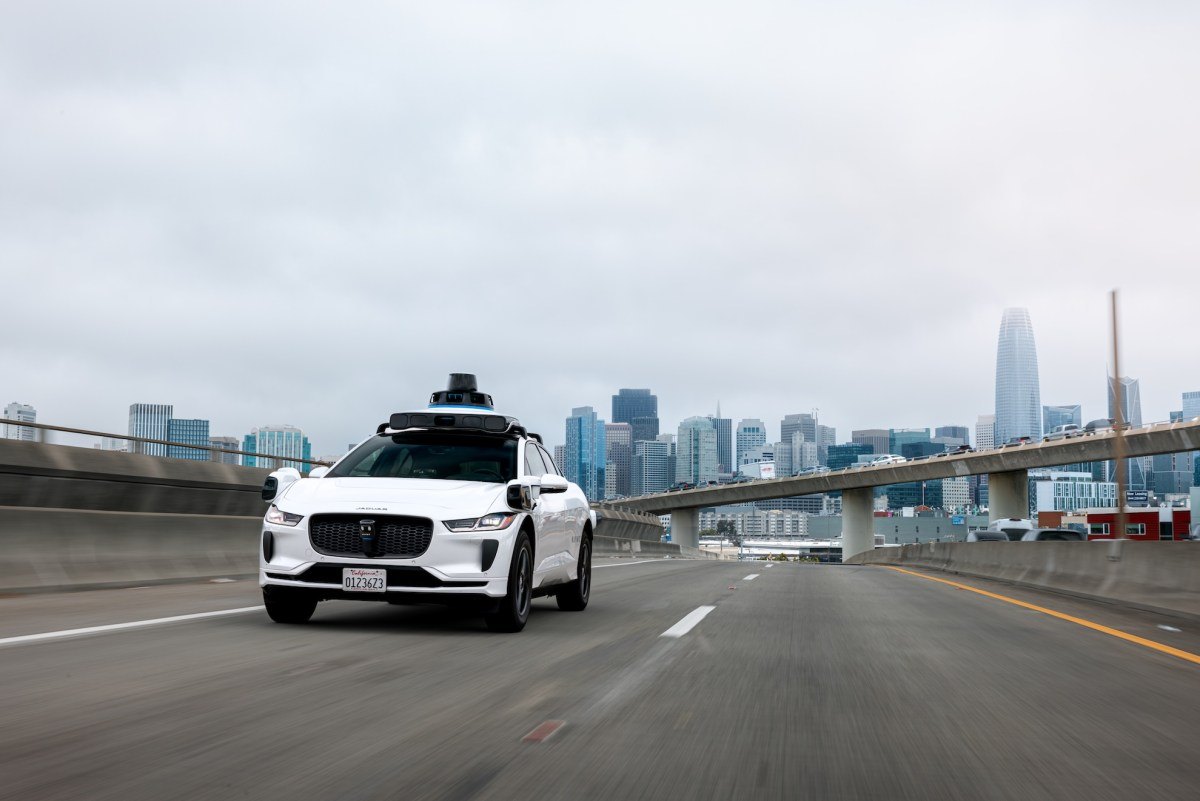
Alphabet subsidiary Waymo halted all driverless freeway operations across 15 commercial markets after the California Department of Motor Vehicles issued formal operating restrictions on November 11, according to TechCrunch's report.
The nationwide pause affects commercial robotaxi passengers traveling between metropolitan centers and regional airports who must now rely strictly on surface street routing. Riders can continue booking local urban trips across all 15 operational markets while the company coordinates with state regulators to satisfy corrective safety criteria.
01California DMV operating restriction order
California regulators restricted Waymo autonomous vehicle operations on November 11 after investigating recurring safety incidents along major state thoroughfares. The state regulator determined that the driverless fleet posed an imminent hazard to public safety following repeated incursions into active roadway work sites. Regulators kept the enforcement private until public disclosure on Tuesday after initial reporting by the San Francisco Business Times.
State officials confirmed that three Waymo autonomous vehicles entered an active highway construction closure on U.S. Route 101 near Burlingame.
A separate incident under investigation involved California Highway Patrol vehicles operating on Highway 280 in San Francisco. State regulators noted these breaches occurred despite a previous restriction and corrective actions instituted after similar construction zone failures on May 18, 2026.
Regulators stated that the operational restrictions will remain active until Waymo demonstrates effective corrective actions that resolve the navigational deficiencies. The state agency emphasized that the vehicle incursions endangered construction workers, support vehicles, and roadside equipment stationed within closed freeway zones.
02Nationwide voluntary commercial shutdown
Waymo complied with the state order and subsequently expanded the driving restrictions to all 15 metropolitan markets where it conducts commercial operations. The company removed freeway access across every regional fleet outside California while engineering teams review highway performance data. Company spokesperson Dana Gallagher confirmed the voluntary nationwide halt, emphasizing that safety remains the foundation of vehicle operations.
Gallagher noted that recent freeway construction zone encounters along U.S. Route 101 produced no injuries or physical collisions.
The company chose to pause highway routing in all operating cities to evaluate system performance against safety-first operating principles. Waymo confirmed it is coordinating with the California DMV and other state officials to resolve concerns and resume highway routing.
The company continues to provide commercial passenger service on surface roads throughout its active operational territories. Waymo stated that its overall ride-hailing network handles more than 500,000 passenger trips each week without freeway access.
Note: Commercial freeway routing remains suspended across all 15 operational markets, but standard surface street trips continue without interruption.
Advertisement
Tech Pulse Daily
Get tomorrow's pulse first
Join engineers who read Tech Pulse before stand-up. Free, weekday mornings.
03Bay Area travel times and expansion goals
Freeway accessibility served as a critical pillar for commercial robotaxi expansion after Waymo initiated passenger highway rides in late 2025. Access to high-speed corridors allowed the company to connect riders to airports and outlying commercial hubs without navigating surface traffic bottlenecks. Bypassing local stoplights and congested secondary roads dramatically decreased passenger transit times across expanding service zones.
The routing restrictions carry significant transit penalties across the San Francisco Bay Area, where the operating territory extends south into Silicon Valley. Highway access on routes like U.S. 101 previously reduced cross-Peninsula commutes that otherwise required 45 minutes to over an hour on local streets. Diverting those trips onto surface roads reintroduces longer ride durations for regional travelers.
Connecting urban centers to regional airports efficiently has represented a major competitive advantage for autonomous ride-hailing networks. Removing highway corridors slows fleet turnaround times and limits vehicle dispatch efficiency across expansive suburban service areas.
04Recurring construction zone navigation problems
The November regulatory order represents the second major highway stoppage for Waymo within a six-month window. The company abruptly ceased highway operations in May without public explanation, following social media documentation showing robotaxis driving over traffic cones and failing to clear highway work zones. Regulators later cited the May 18 incident as a primary baseline for evaluating repeated autonomous routing failures.
Waymo resumed highway operations in July after deploying an updated software build designed to correct construction navigation issues. The engineering updates were intended to enhance vehicle perception and path planning when approaching lane closures, worker barriers, and emergency personnel. Despite those software revisions, the three vehicle incursions near Burlingame prompted regulators to step in again.
Regulators pointed directly to the recurring nature of the navigational errors when issuing the November suspension order. The agency noted that previously approved corrective measures failed to prevent robotaxis from penetrating marked construction barriers where maintenance personnel were actively working.
05Requirements for highway service restoration
Waymo must supply comprehensive engineering documentation proving that its autonomous system can reliably detect and avoid active construction zones before freeway privileges return. State regulators require verified evidence that path planning failures near highway work crews and emergency vehicles will not recur. The company did not outline a concrete timeline for submitting updated software validation reports to the state agency.
Autonomous vehicle engineering teams continue analyzing sensor logs and edge-case scenarios gathered from the Burlingame and San Francisco incidents. Technicians are assessing how software stacks interpret complex highway closures that incorporate variable message boards, orange drums, and flashing traffic director arrows. Company representatives stated that discussions with California transportation officials remain constructive.
Freeway routing outside California will remain paused until internal safety teams complete systemic evaluations. Commercial dispatch algorithms will keep routing all current passenger requests onto regional grid systems, preserving urban accessibility while engineering reviews proceed.
Frequently asked questions
Why did the California DMV suspend Waymo freeway rides?
Regulators determined driverless freeway operations posed a public safety hazard after three vehicles entered a live construction closure on U.S. 101 and another incident involved highway patrol vehicles on Highway 280.
Are Waymo robotaxis still operating on non-freeway roads?
Yes, Waymo continues to operate standard ride-hailing services on surface streets, providing more than 500,000 customer trips per week across its operating markets.
Which cities are affected by the freeway shutdown?
Freeway operations are suspended across all 15 commercial markets where Waymo operates, including territories located outside of California.
When did Waymo first start and stop highway testing this year?
Waymo initially began offering commercial freeway trips in late 2025, paused operations in May 2026, resumed highway routes in July following a software update, and halted them again in November.
Sources

Author
Dillip Chowdary
Writes Tech Bytes coverage of AI, engineering, and the tools that actually ship. Editor of Tech Pulse Daily.
Related on Tech Bytes
Advertisement