Waymo’s next robotaxi is a purpose-built Toyota bZ4X
Toyota will assemble Waymo-equipped bZ4X electric SUVs at its Takaoka plant in Japan ahead of planned robotaxi operations in Tokyo and the United Kingdom.
By Dillip Chowdary • Oct 31, 2026 • Source: The Verge
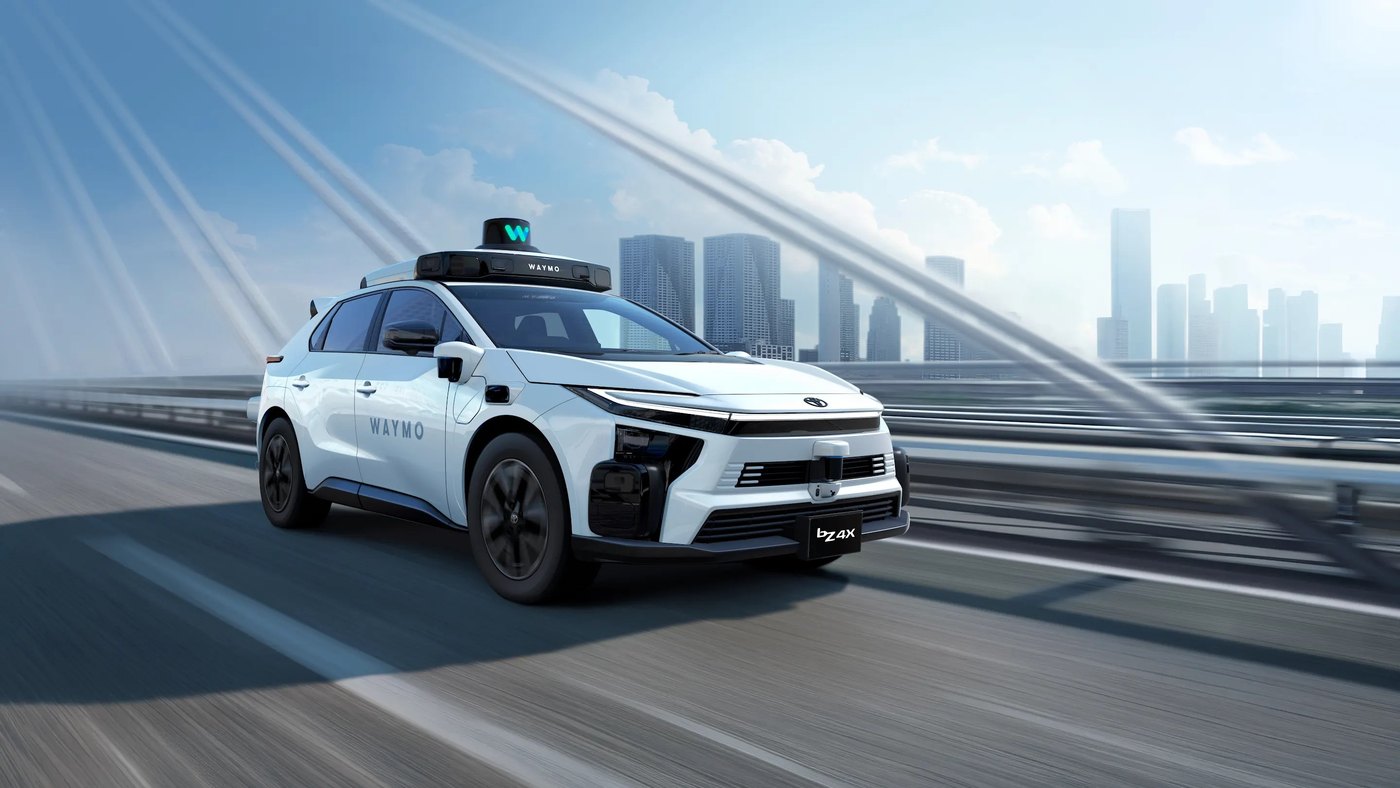
Waymo expanded its autonomous fleet architecture through a manufacturing agreement with Toyota to build factory-integrated robotaxis for commercial service in Japan. According to The Verge's report, Toyota will assemble Waymo-equipped bZ4X electric sport utility vehicles directly on its manufacturing line at the Takaoka plant in Toyota City, Aichi Prefecture. The project advances a strategic collaboration that the two companies originally formed in April 2025, moving beyond aftermarket retrofits into direct assembly line integration. The purpose-built electric vehicles are scheduled to support Waymo's planned autonomous deployments in Tokyo and later across international markets.
This report details the operational mechanics, industrial implications, and deployment timetable behind Waymo's partnership with the world's largest automaker. It examines how building autonomous hardware directly into the Toyota bZ4X alters Waymo's fleet economics, how factory-level sensor installation replaces third-party vehicle retrofitting, and where the self-driving SUVs will roll out first across global cities. The analysis is structured for fleet managers, automotive engineers, transportation planners, and mobility analysts tracking the scaling phase of commercial autonomous driving across Asian and European transit markets.
Waymo’s next robotaxi is a purpose-built: the announcement
The core of the announcement centers on producing self-driving Toyota bZ4X electric sport utility vehicles entirely under one roof in Japan. Rather than taking standard consumer vehicles off the line and converting them elsewhere, Toyota workers at the Takaoka facility will mount Waymo's autonomous sensors, computers, and wiring harnesses during primary assembly. This manufacturing approach marks the first time Toyota is embedding autonomous driving hardware directly into an electric model as part of its standard Japanese factory operations to supply commercial driverless taxi fleets.
The manufacturing partnership represents a continuation of discussions and technical alignments that Waymo and Toyota initiated in April 2025. By pairing the world's largest automobile manufacturer with the leading operator of commercial autonomous rides, both organizations seek to industrialize the supply chain for driverless vehicles. Waymo has maintained its strategic identity as a software and systems supplier focused on developing the Waymo Driver platform rather than building passenger cars. Bringing the bZ4X into the portfolio demonstrates compatibility with diverse automotive platforms and factory lines.
What actually changed with Waymo’s next robotaxi is a purpose-built
The transition to assembly line manufacturing addresses fundamental operational inefficiencies in how Waymo traditionally prepared passenger vehicles for commercial autonomous service. Up until this agreement, the autonomous operator followed a fragmented supply model: purchasing fully completed vehicles from automobile manufacturers, transporting those cars to secondary retrofit workshops, and manually installing computers, brackets, sensor arrays, and supplementary wiring. That multi-stage process introduced significant logistical complexity, required duplicate labor hours, created shipping delays, and increased capital expenditures for every vehicle added to the operating fleet.
Installing the autonomous hardware suite directly at the Takaoka facility eliminates secondary transit corridors, bespoke external mounting brackets, and redundant teardown labor. By embedding computing hardware and sensor networks into the vehicle chassis during initial assembly, Toyota and Waymo streamline the manufacturing cycle and target lower production costs per vehicle. The bZ4X joins an evolving vehicle portfolio that currently operates the Jaguar I-Pace and Ojai models based on the Zeekr RT, alongside an upcoming model based on the Hyundai Ioniq 5.
Advertisement
Tech Pulse Daily
Get tomorrow's pulse first
Join engineers who read Tech Pulse before stand-up. Free, weekday mornings.
Who should care about Waymo’s next robotaxi is a purpose-built
Commercial fleet managers and autonomous mobility operators should track this industrial milestone because it signals a transition from low-volume vehicle conversions to high-volume assembly line production. When automotive manufacturers build autonomous computing suites and sensor architectures directly onto primary factory lines, unit production costs drop and fleet scaling speeds accelerate. Operators evaluating capital costs for autonomous transitions can observe how standardized automotive manufacturing alters vehicle availability, long-term maintenance overhead, and production reliability compared to bespoke workshop conversions across expanding metropolitan ride-hailing networks.
Automotive engineers and vehicle safety regulators will also find significant value in the collaborative data initiatives emerging from this manufacturing deployment. Beyond the physical bZ4X assembly line, Waymo is collaborating with Woven by Toyota, the Japanese automaker's dedicated software and advanced mobility subsidiary. The two organizations are sharing Waymo's operational and safety telemetry to explore broader roadway safety improvements across conventional passenger car fleets and connected road infrastructure. Furthermore, both companies are continuing exploratory technical work aimed at integrating Waymo's autonomous system into personally owned Toyota passenger vehicles.
How to try Waymo’s next robotaxi is a purpose-built
Riders cannot hail a purpose-built Toyota bZ4X immediately, as both companies have established a phased technical validation roadmap before launching public operations. Waymo confirmed that initial on-road testing and system validation will begin in Japan next year. Engineers will evaluate vehicle handling, sensor calibration, software integration, and localized navigation around Japanese driving environments before carrying passengers. These extensive validation tests represent the mandatory verification stage required to ensure the factory-installed sensors and computing units operate reliably under complex local road conditions and municipal transit regulations.
Following on-road engineering validation in Japan, commercial passengers will first experience the autonomous bZ4X when Waymo launches its dedicated robotaxi service in Tokyo. After deploying the commercial service across the Japanese capital, the companies plan to introduce the factory-built electric SUVs to the United Kingdom, alongside additional international transportation markets. Passengers seeking to ride in Waymo autonomous vehicles today must use current commercial operating zones in the United States, which feature active deployments of Jaguar I-Pace and Zeekr RT-based Ojai vehicles ahead of the upcoming Hyundai Ioniq 5 rollout.
What to watch after Waymo’s next robotaxi is a purpose-built
The primary operational milestone to watch over the coming months is the commencement of vehicle validation trials on public and closed roadways in Japan starting next year. Observers should track how smoothly Toyota's Takaoka assembly facility integrates the complex sensor arrays and compute blocks without disrupting standard production output. Testing data from these early validation runs will reveal how the right-hand-drive Japanese configuration performs and how quickly Waymo secures the regulatory clearances necessary to transition from initial engineering verification to passenger-carrying commercial operations in central Tokyo.
Beyond the immediate Tokyo robotaxi launch, industry watchers should monitor the secondary international expansion phase into the United Kingdom and additional overseas markets. Another significant development path involves the joint research conducted with Woven by Toyota to apply Waymo's operational telemetry to general traffic safety and consumer vehicle lines. Progress on adapting the Waymo Driver for personally owned Toyota consumer vehicles will show whether commercial robotaxi architecture can successfully transition into private retail ownership, establishing a dual-market application for factory-integrated autonomous driving technology.
Developer Action Items
- ☐ Verify the claim on the official Waymo next robotaxi purpose-built page (or The Verge), not from this recap alone.
- ☐ Name the surface that moved — API, policy, model, hardware, or commercial terms — before you Slack the thread.
- ☐ Assign one owner a day to read the primary material and decide: this-sprint, this-quarter, or noise.
- ☐ Do not change production on day-one coverage. Watch the vendor changelog and one independent write-up first.
Waymo’s next robotaxi is a purpose-built FAQ
Where will the Waymo-equipped Toyota bZ4X robotaxis be manufactured?
The vehicles will be assembled entirely under one roof at Toyota's Takaoka plant in Toyota City, Aichi Prefecture, Japan.
How does assembly line integration differ from Waymo's previous vehicle modification process?
Previously, Waymo bought finished cars and retrofitted them with sensors, computers, and wiring at secondary facilities, whereas Toyota will now install the autonomous hardware directly on the factory line as each vehicle is built.
When and where will the purpose-built bZ4X robotaxis begin testing and passenger service?
Initial testing and validation begin in Japan next year, followed by a commercial robotaxi service launch in Tokyo and subsequent expansions to the United Kingdom and other international markets.
What other vehicle models currently make up Waymo's autonomous fleet?
Waymo currently operates the Jaguar I-Pace and Ojai based on the Zeekr RT, with a third model based on the Hyundai Ioniq 5 scheduled to deploy soon.
Sources

Author
Dillip Chowdary
Writes Tech Bytes coverage of AI, engineering, and the tools that actually ship. Editor of Tech Pulse Daily.
Related on Tech Bytes
Advertisement