What to expect at Apple’s September 9th launch event
Apple's September 9th launch event could be one of its biggest in years. What to expect at Apple’s September 9th launch event
By Dillip Chowdary • Sep 06, 2026 • Source: The Verge
What happened
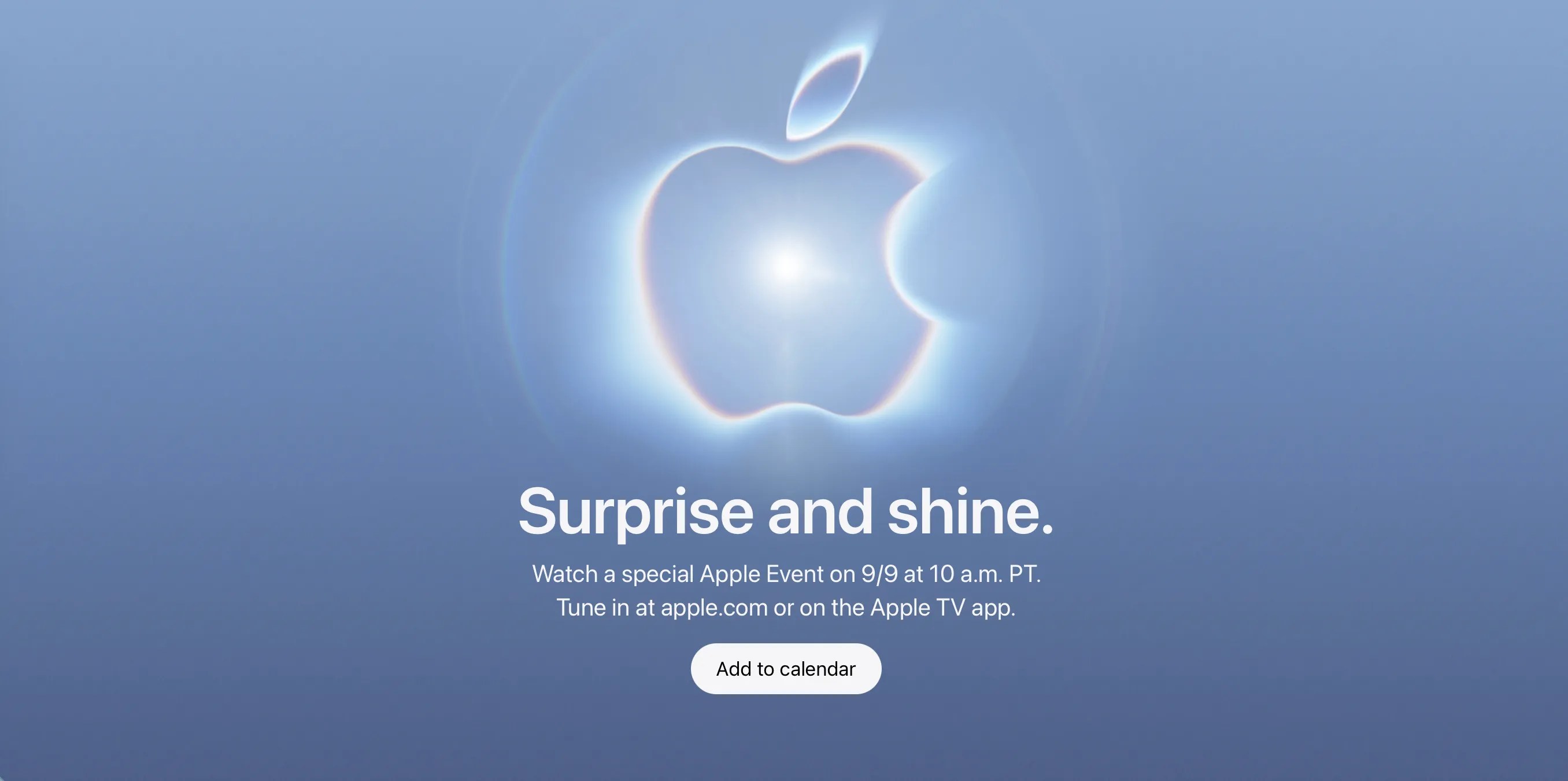
Apple is gearing up for what could be one of its most consequential hardware events in years, with a September 9th launch date that carries unusual symbolic weight beyond the products themselves. The company's lineup is expected to include the first models in the iPhone 18 series, and persistent industry speculation points to a long-rumored foldable device that would mark a fundamental shift in how Apple approaches the smartphone form factor.
This piece breaks down what is known about the event, how the reported products would work, and what developers, device buyers, and platform watchers should be paying attention to going into launch week. Whether you are planning a hardware purchase or trying to anticipate how new hardware will shape the software ecosystem, here is what the current reporting suggests.
Apple has scheduled a launch event for September 9th, a date that lands just eight days after John Ternus officially takes over as CEO on September 1st, stepping in for Tim Cook. Ternus, who previously led Apple's hardware engineering division, steps into the top role as the company prepares to introduce the iPhone 18 lineup. The September 9th event is Apple's first under his leadership, making it an early public signal of how he intends to position the company.
How it works
The timing means the event doubles as both a product announcement and an implicit statement about strategic direction. Ternus inherits a company that has historically been cautious about form-factor experimentation, and the iPhone 18 launch is arriving at a moment when that caution appears to be ending. Reports from The Verge and other outlets have maintained for months that at least one foldable model is part of Apple's plans.
The device referred to as the iPhone Ultra is described as Apple's take on the foldable smartphone category, a category that competitors have iterated on for several years. Foldable phones typically use a flexible display panel that bends at a central hinge, allowing the device to function as a compact phone when closed and expand to a larger screen when open. Apple has not confirmed the mechanism, but the engineering challenges of a foldable — hinge durability, crease visibility, software layout adaptation — are well established in the industry.
Why it matters
Advertisement
Tech Pulse Daily
Get tomorrow's pulse first
Join engineers who read Tech Pulse before stand-up. Free, weekday mornings.
What Apple would be adding to that blueprint is its own silicon integration, software handling for dynamic screen geometry, and the manufacturing tolerances the company is known for enforcing across its supply chain. If the device ships under the iPhone Ultra name, it would extend a naming convention Apple has used in other product lines to signal a premium tier above the standard, Plus, and Pro configurations.
A foldable iPhone, if it ships, would be Apple's first new primary smartphone form factor since the original iPhone launched. That is not a small thing: Apple's entry into a category has historically expanded that category's mainstream adoption, driven accessory and developer ecosystems around it, and set expectations that competitors then respond to. The September 9th event could reset what consumers consider a default smartphone in the same way earlier iPhone generations did.
For developers, a foldable iPhone running iOS would require attention to adaptive layouts, multitasking states, and any new interaction patterns Apple introduces for a screen that changes dimensions. Builders who have watched Android foldable APIs develop over time have a reference point, but Apple's implementation will be its own, with its own frameworks and review guidelines to match.
Who is affected
Device buyers in Apple's existing iPhone ecosystem are the most immediately affected audience, particularly those who have been waiting for a meaningful hardware leap before upgrading. If the iPhone Ultra carries a price premium consistent with how Apple positions ultra-tier products, it will be positioned above the standard iPhone 18 lineup and may not be the right fit for every current iPhone user. Budget and mid-range buyers should watch for what the rest of the iPhone 18 lineup looks like before drawing conclusions.
For enterprise buyers and IT administrators managing Apple device fleets, a new form factor introduces questions about MDM compatibility, accessory standardization, and policy updates around device configuration. Developers shipping apps through the App Store will want to review their layout code and test against new screen dimension assumptions as soon as Apple releases development resources tied to the announcement.
What to watch next
The most important thing to track after September 9th is whether the foldable device ships immediately or enters a longer availability window. Announcements and ship dates are not always the same, and any gap between event date and customer hands would affect when developers can test on real hardware. Watching for a developer beta or updated simulator tools in the days following the event will be an early signal of how seriously Apple is treating third-party readiness.
John Ternus's first appearance as CEO on a major stage is also worth watching beyond the product list. His background in hardware engineering is different from Tim Cook's operations and supply chain focus, and how he frames Apple's product philosophy — in opening remarks, in how he describes the iPhone Ultra if it is shown — will give early texture to what his leadership era is likely to prioritize.
Developer Action Items
- ☐ Diff the official changelog for Apple / iOS / Android before you bump — APIs, defaults, and removed flags only.
- ☐ Install through the vendor's documented channel in staging; keep a one-command rollback and time-box the canary.
- ☐ Grep your repo for old flag names, lockfile pins, and plugin versions that the notes mark as breaking.
- ☐ Prefer the first patch cut over the day-zero tag unless you have a reason to be on the leading edge.
- ☐ If The Verge did not name a region, plan, or SKU, screenshot the official availability line before you promise it to users.

Author
Dillip Chowdary
Writes Tech Bytes coverage of AI, engineering, and the tools that actually ship. Editor of Tech Pulse Daily.
Related on Tech Bytes
Search agent beats GPT-6 Astra on benchmarks, just days after release
Read →
Apple launches new Mac Studios with its ‘most powerful chip ever’ — the M5 Ultra
Read →
Claude Fable 5.1 is generally available in GitHub Copilot
Read →
Apple upgrading recent Mac mini orders to M6, M5 Pro models for free
Read →
Today's Tech Pulse briefing
Full briefing →
Advertisement