Xiaomi’s new 18 Pro phones improve on Samsung’s privacy display
Xiaomi's new 18 Pro and 18 Pro Max launched in China today, and feature a more flexible take on the privacy display tech introduced this year on Samsung's.
By Dillip Chowdary • Oct 03, 2026 • Source: The Verge
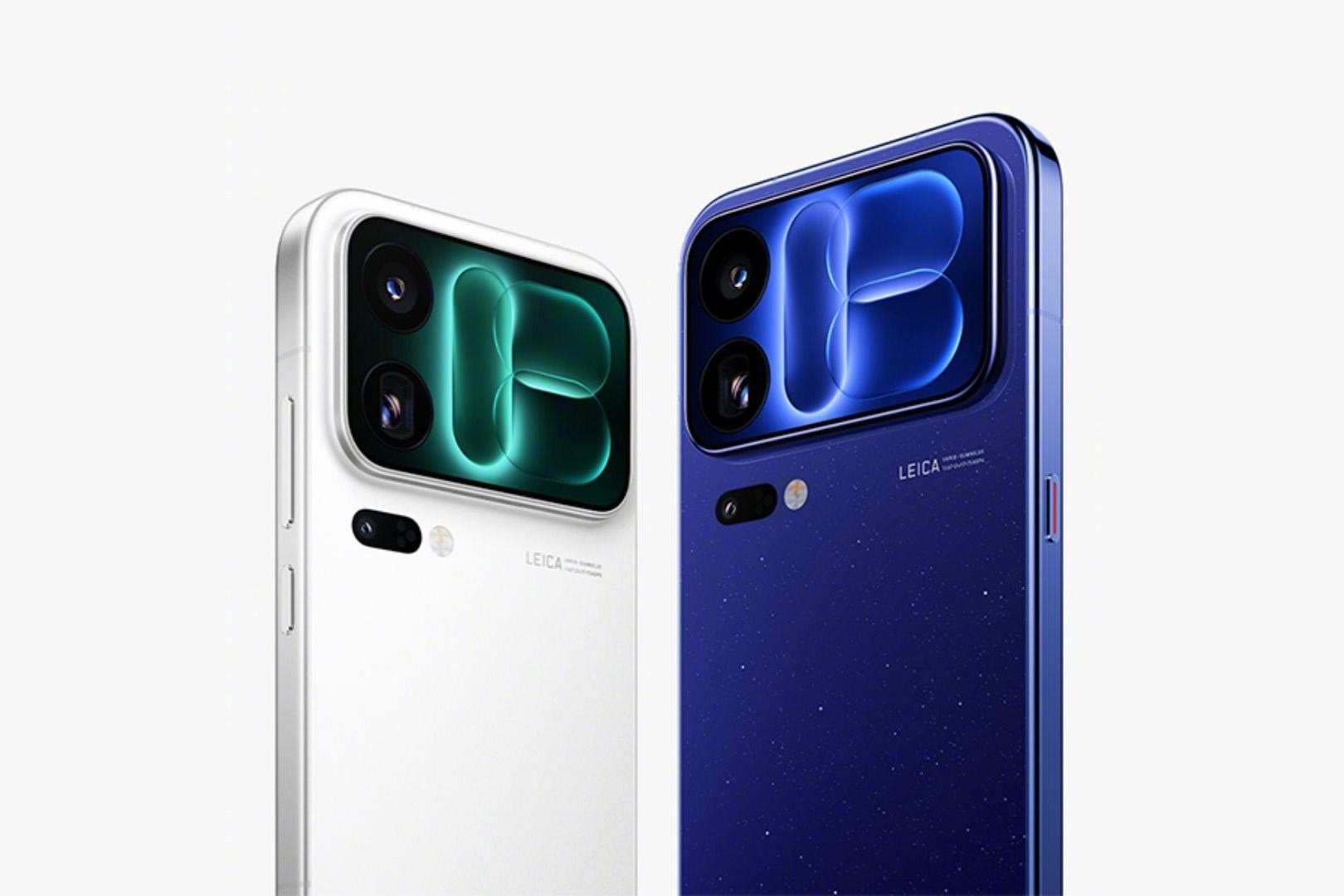
Xiaomi launched the 18 Pro and 18 Pro Max in China today, bringing a more flexible version of the privacy display technology that Samsung introduced on the Galaxy S26 Ultra earlier this year. The two phones also revive the brand's rear-screen design and pair it with dual 200-megapixel cameras, giving Xiaomi's flagship line one of the most densely specified hardware sheets it has shipped to date.
This article breaks down the specific hardware changes Xiaomi made, how the privacy display implementation differs from Samsung's approach, and what the combination of Qualcomm's Snapdragon 8 Elite Gen 6 chips across both models means for buyers and developers preparing for the devices' expected global release.
Xiaomi's new 18 Pro phones improve: what actually changed
The most direct improvement over the previous generation is the privacy display, which Xiaomi has engineered to be more flexible than the version Samsung shipped on the Galaxy S26 Ultra. While Samsung brought the feature to its Ultra tier first, Xiaomi is applying it across both the 18 Pro and the larger 18 Pro Max, and doing so with a design that gives users more control over when and how the screen limits its viewing angle. Alongside that, Xiaomi has retained the secondary rear display — a feature the brand has used before — and upgraded the camera system to include two 200-megapixel sensors, a significant step up from the single high-resolution unit that defined previous flagships.
Qualcomm's new Snapdragon 8 Elite Gen 6 powers both models, which is notable because Xiaomi is using the chip across the full Pro lineup rather than reserving it for a single top-tier configuration. That decision removes the compromise buyers often face when choosing between a standard and a Max variant in flagship Android lines.
Xiaomi's new 18 Pro phones improve: how it works
Privacy displays work by restricting the horizontal viewing angle of the panel so that only the person directly in front of the screen can see the content clearly. Samsung's implementation on the Galaxy S26 Ultra uses a switchable filter built into the display stack. Xiaomi's version on the 18 Pro and 18 Pro Max is described as more flexible, suggesting the company has adjusted either the angle of restriction, the speed of switching, or the granularity of control available to the user — though the precise mechanism behind that flexibility has not been detailed beyond what was announced at launch.
The dual 200-megapixel camera array introduces two high-resolution sensors at the rear, which affects how the phone processes and stores images. At full resolution, 200-megapixel frames are large, and the Snapdragon 8 Elite Gen 6's image signal processor will handle the computational load for both sensors. The rear secondary screen, a design choice Xiaomi has carried through multiple generations, allows the rear cameras to be used for high-quality selfies by letting the subject preview the frame on the back panel.
Advertisement
Tech Pulse Daily
Get tomorrow's pulse first
Join engineers who read Tech Pulse before stand-up. Free, weekday mornings.
Xiaomi's new 18 Pro phones improve: why it matters now
Privacy displays are becoming a differentiating feature in the premium Android market rather than a niche addition. Samsung's decision to put one in the Galaxy S26 Ultra earlier this year signaled that the technology had matured enough for mainstream flagship use. Xiaomi launching two phones with a more flexible take on the same technology, within the same product cycle, accelerates the competitive pressure on other Android manufacturers to follow. For consumers, it means the feature is now available on more than one device family, which typically drives faster refinement and lower prices over subsequent generations.
The use of both Snapdragon 8 Elite Gen 6 variants — the standard chip in the 18 Pro and presumably the higher-clocked variant in the 18 Pro Max — also matters because it means developers targeting Xiaomi's flagship line do not need to test against multiple silicon configurations with meaningfully different performance profiles.
Xiaomi's new 18 Pro phones improve: who is affected
The launch is currently limited to China, which means buyers outside that market are waiting for a global announcement that Xiaomi has not yet dated. Consumers already considering the Galaxy S26 Ultra for its privacy display now have a direct alternative to evaluate when the global 18 Pro series arrives. Enterprise buyers and regulated-industry users who have been looking at privacy displays for sensitive work environments are the segment most directly served by this class of feature, and having multiple vendors offering it strengthens the case for IT procurement teams to consider it a standard requirement.
Developers building camera applications for Xiaomi flagships will need to account for the dual 200-megapixel system, particularly around storage allocation, image processing pipelines, and the rear screen's role as a viewfinder when the rear cameras are used in front-facing mode.
Xiaomi's new 18 Pro phones improve: what to watch
The global launch timeline is the most immediate open question. Xiaomi has not announced when or in which markets the 18 Pro and 18 Pro Max will ship outside China, and global pricing has not been revealed. Buyers and retailers will be watching for that announcement, along with clarification of which Snapdragon 8 Elite Gen 6 configuration each model uses and whether regional variants will carry the same camera and display specifications as the Chinese launch units.
On the competitive side, how Samsung responds to a more flexible privacy display implementation from Xiaomi will be worth tracking ahead of the next Galaxy S cycle. If Xiaomi's approach proves more usable in real-world conditions, it raises the bar for what the next generation of privacy display hardware needs to deliver.
Developer Action Items
- ☐ Diff the official changelog for Android / Samsung before you bump — APIs, defaults, and removed flags only.
- ☐ Install through the vendor's documented channel in staging; keep a one-command rollback and time-box the canary.
- ☐ Grep your repo for old flag names, lockfile pins, and plugin versions that the notes mark as breaking.
- ☐ Prefer the first patch cut over the day-zero tag unless you have a reason to be on the leading edge.
- ☐ If The Verge did not name a region, plan, or SKU, screenshot the official availability line before you promise it to users.

Author
Dillip Chowdary
Writes Tech Bytes coverage of AI, engineering, and the tools that actually ship. Editor of Tech Pulse Daily.
Related on Tech Bytes
Squeezer – Use your idle Claude plan window to work through TODOs overnight
Read →
This $199 GPS sports watch is repairable, modular, and open-source
Read →
Claude Code – Fixing the world with one prompt
Read →
Here’s what was announced at Made On YouTube 2026.
Read →
Today's Tech Pulse briefing
Full briefing →
Advertisement